
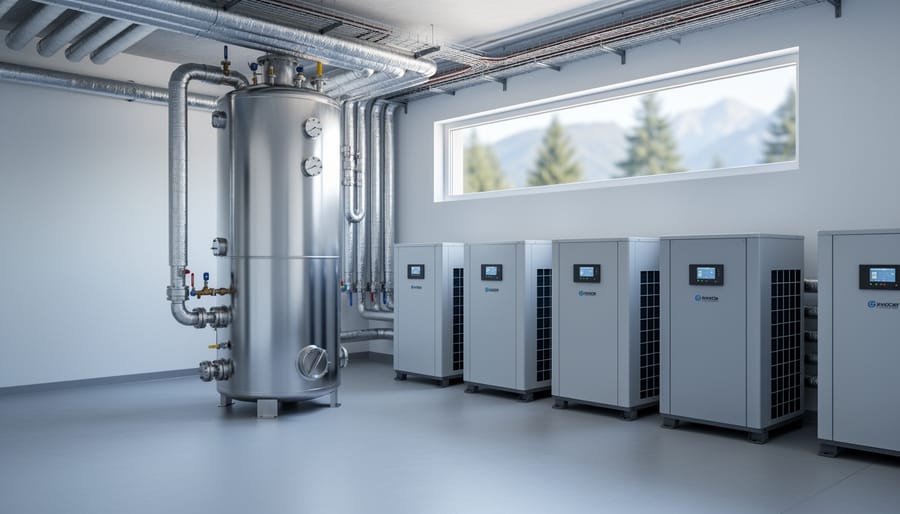
Thermal storage tanks transform how BC homeowners and businesses manage energy costs by storing heated or cooled water during off-peak hours when electricity rates are lowest, then releasing that energy during expensive peak periods. This proven technology acts as a thermal battery for your building, reducing demand charges by up to 40% while supporting BC Hydro’s grid stability during high-demand periods.
The concept works simply: your heating or cooling system charges the storage tank overnight when rates average 6-8 cents per kilowatt-hour, storing enough thermal energy to handle most of your daytime needs when rates can exceed 14 cents per kilowatt-hour. For a typical commercial building in Vancouver, this shift means annual savings between $3,000 and $12,000, with residential systems offering proportional benefits based on usage patterns.
BC’s time-of-use electricity rates make thermal storage particularly valuable here compared to other provinces. The technology integrates seamlessly with existing HVAC systems, heat pumps, and renewable energy installations, requiring minimal operational changes once installed. Many BC businesses have recovered their initial investment within 3-5 years through reduced utility bills alone, while contributing to provincial emissions reduction targets.
Whether you manage a small retail space in Victoria or a multi-unit residential building in Kelowna, thermal storage tanks offer measurable financial returns alongside environmental benefits. The technology requires no daily management, operates quietly, and scales effectively from residential applications starting around 500 litres to commercial systems exceeding 50,000 litres.
What Are Thermal Storage Tanks and How Do They Work?
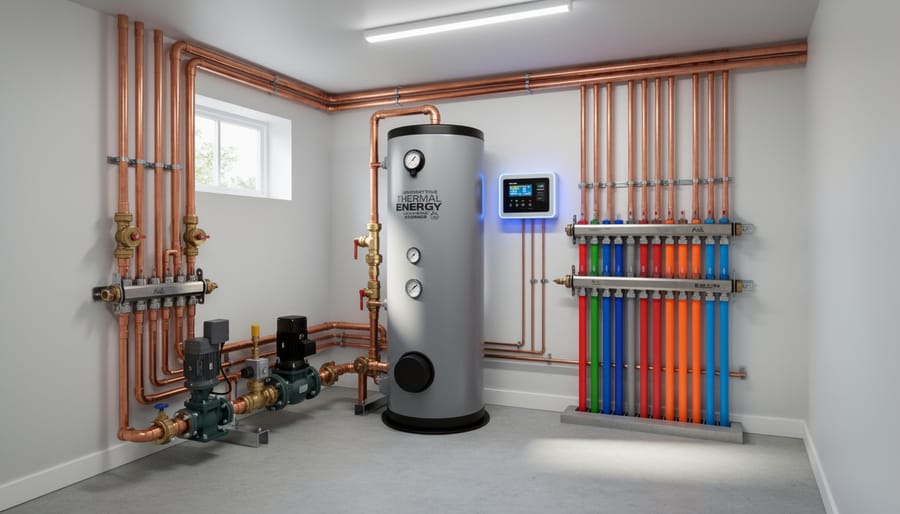
The Simple Science Behind Storing Temperature
Think of a thermal storage tank like a giant thermos bottle for your home. Just as your morning coffee stays hot for hours in an insulated container, thermal storage tanks hold onto heat energy until you need it. The principle is straightforward: certain materials can absorb and store thermal energy, then release it gradually over time.
When paired with solar panel systems or off-peak electricity, these tanks heat water during the most cost-effective hours. The insulated tank maintains that heat remarkably well, sometimes for 24 hours or more. It’s similar to how a hot water bottle keeps your feet warm through the night, except on a much larger scale for your entire home or business.
This thermal mass concept means you’re essentially banking energy for later use. In BC’s time-of-use electricity market, this translates to heating water when rates are lowest and drawing on that stored warmth during expensive peak hours. The technology isn’t complicated, but the savings can be significant, especially for households and businesses looking to maximize their renewable energy investments while reducing their carbon footprint.
Different Types of Thermal Storage for BC Homes and Businesses
BC homes and businesses have several thermal storage options to choose from, each suited to different needs and our regional climate.
Hot water storage tanks are the most common choice for residential applications. These insulated tanks store heated water during off-peak hours when electricity rates are lower, then release that warmth throughout the day. They work exceptionally well in BC’s moderate climate, where heating demands are steady but not extreme. A typical 300-litre tank can store enough thermal energy to significantly reduce daytime electricity costs.
Chilled water systems operate similarly but store cooling capacity, making them ideal for commercial buildings and food processing facilities in the Fraser Valley and Okanagan regions during summer months. These systems pre-cool water overnight when temperatures drop naturally, reducing air conditioning loads during peak hours.
Phase-change materials represent newer technology that stores energy by changing state from solid to liquid and back. While less common in BC currently, they offer compact storage solutions for space-constrained urban properties.
For most BC residential applications, conventional hot water tanks paired with heat pumps deliver the best value and reliability. The Richmond Community Centre successfully implemented a large-scale hot water thermal storage system, reducing peak demand by 40 percent while lowering annual energy costs. This proven approach works particularly well with our region’s time-of-use electricity rates.
Why Flexible Load Management Matters in British Columbia
BC Hydro’s Rate Structure and Your Opportunity to Save
Understanding BC Hydro’s rate structure is key to maximizing your savings with thermal storage tanks. BC Hydro uses a two-tier residential rate system where you pay a lower rate for your initial electricity consumption each billing period, then a higher rate once you exceed that threshold. For most homes, this means the first 1,350 kWh costs around 9.7 cents per kWh, while additional usage jumps to approximately 14.6 cents per kWh.
Thermal storage tanks help you stay in that lower rate tier by reducing your peak heating demand. By heating water during off-peak hours or when your solar panels are generating excess power, you avoid drawing expensive grid electricity during high-demand periods. This strategy works particularly well for BC households, where space and water heating account for up to 60% of annual energy costs.
The financial case for thermal storage becomes especially compelling if you currently exceed the first tier regularly, have electric baseboard heating, or operate a business with significant hot water needs. A typical household can save 15-30% on heating costs annually, with payback periods ranging from 5-8 years depending on your current consumption patterns and system size.
Supporting BC’s Clean Energy Goals
When you adopt thermal storage technology, you’re not just reducing your energy bills—you’re helping BC achieve its ambitious climate targets. The province aims to reduce greenhouse gas emissions by 40% by 2030, and every household and business that shifts energy consumption away from peak hours contributes to this goal.
Thermal storage tanks directly support BC’s renewable energy integration by storing heat when clean hydroelectric power is abundant and releasing it during high-demand periods. This reduces the need for fossil fuel backup generation and strengthens grid resilience during extreme weather events. As BC Hydro continues expanding renewable capacity, flexible loads like thermal storage become essential infrastructure for maximizing clean energy use.
A Vernon manufacturing facility recently demonstrated this impact by installing thermal storage alongside their existing systems. Their strategic load shifting helped reduce local grid strain during winter peaks while cutting their carbon footprint by 30 tonnes annually—equivalent to taking six cars off the road. By joining BC’s growing community of thermal storage users, you’re part of a collective effort making our energy system cleaner and more reliable for everyone.
Real-World Benefits: What Thermal Storage Tanks Deliver
Slash Peak-Hour Energy Costs
BC Hydro’s time-of-use rates mean electricity costs significantly more during peak hours, typically weekday mornings and evenings when everyone’s heating their homes and businesses. Thermal storage tanks let you shift your energy use to overnight when rates drop by up to 50%.
Here’s how it works in practice: A Kelowna commercial building installed a thermal storage system that heats water between 10 PM and 6 AM using cheaper off-peak electricity. During the day, that stored thermal energy handles all their heating and hot water needs without drawing expensive peak-hour power. Their energy bills dropped by $3,200 annually.
For residential users, a typical family in Vancouver reduced their monthly heating costs by $85 by programming their thermal storage tank to charge during off-peak hours. Over a year, that’s over $1,000 in savings while still maintaining comfortable temperatures throughout their home.
The beauty of this approach is you’re using the same amount of energy—just smarter timing that benefits both your wallet and the grid.
Maximize Your Solar Investment
Pairing thermal storage tanks with your solar panels creates a powerful combination that maximizes your renewable energy investment. During sunny BC days, your solar panels often generate more electricity than you need. Rather than sending this excess energy back to the grid at lower rates, thermal storage tanks can convert and store it as heat for later use. This means the solar power you generate at noon can heat your water or home in the evening when energy rates are typically higher.
This smart approach to solar energy storage can increase your solar self-consumption rates from around 30% to over 70%, dramatically improving your return on investment. A Kelowna family recently shared how their thermal storage system allowed them to use their solar energy throughout the evening, cutting their heating costs by 60% annually. By storing daytime solar energy as heat, you reduce dependence on grid electricity during peak hours while making the most of BC’s generous sunshine, especially during summer months when solar production peaks.
Backup Comfort During Outages
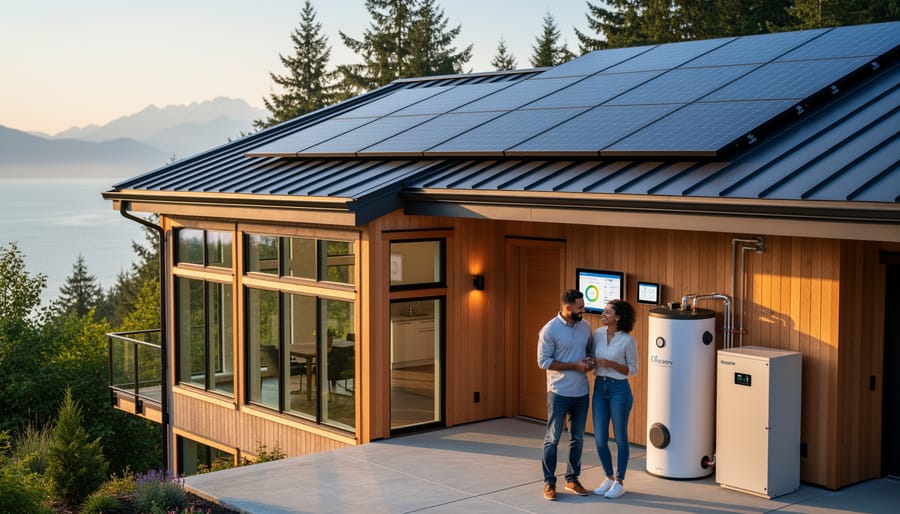
Beyond cost savings, thermal storage tanks provide valuable backup comfort during power outages—a benefit particularly meaningful for rural BC properties where grid reliability can be inconsistent. When connected to solar systems with battery storage, these tanks maintain hot water availability even when the grid goes down, ensuring your family can still shower and access clean water during extended outages.
Many BC homeowners in remote areas like the Kootenays and northern regions report that this resilience feature provides significant peace of mind during winter storms. The stored thermal energy in your tank continues working independently, drawing on previously heated water rather than requiring active electricity. For properties vulnerable to seasonal outages, this practical backup transforms your thermal storage system from a simple efficiency upgrade into a critical household resilience tool, supporting both your sustainability goals and your family’s everyday comfort needs.
Local Success: BC Businesses and Homes Already Saving
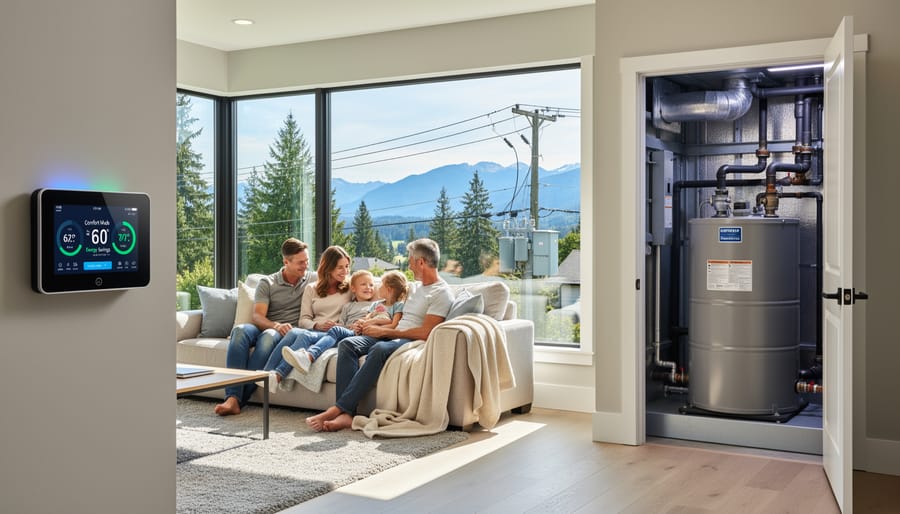
Vancouver Island Farm Cuts Heating Costs by 40%
When Mark and Sarah Thompson looked at their heating bills for their 12-acre organic vegetable farm near Courtenay, they knew something had to change. Winter greenhouse heating was costing them over $3,000 monthly, cutting deep into their profits.
Their solution combined solar thermal collectors with a 2,000-litre thermal storage tank. During sunny winter days, the collectors heat water that’s stored in the insulated tank. This stored heat warms their greenhouse overnight and into cloudy periods, dramatically reducing their propane consumption.
The results exceeded expectations. The Thompsons cut their heating costs by 40% in the first year, saving approximately $14,000 annually. The system paid for itself in under four years, and they’re now exploring expanding it to heat their farm shop and cold storage areas.
“We were skeptical about solar thermal working in our winter climate,” Sarah explains. “But the storage tank makes all the difference. We’re capturing every bit of available solar energy and using it when we actually need it.”
The farm also enrolled in BC Hydro’s time-of-use rates, running backup electric heaters during off-peak hours when the storage tank needs supplementing, further maximizing their savings while supporting grid stability.
Kelowna Business Park Manages Summer Cooling Efficiently
A Kelowna business park discovered that summer cooling costs were straining their budget during BC’s hottest months. By installing a thermal storage system, they transformed how they manage air conditioning across multiple office buildings. The system creates ice during off-peak evening hours when electricity rates are lower, then uses that stored cooling capacity during the day when demand and costs peak.
The results speak for themselves. The business park reduced their summer electricity bills by 35% while maintaining comfortable temperatures for all tenants. During heat waves, when the grid faces its greatest stress, their stored cooling keeps operations running smoothly without contributing to peak demand pressures.
The property manager noted an unexpected benefit: improved tenant satisfaction. Temperature control became more consistent, and businesses appreciated knowing they were part of a sustainable solution. The thermal storage tanks paid for themselves within four years through energy savings alone.
This example demonstrates how commercial properties can achieve both financial savings and environmental benefits. For businesses in BC’s Okanagan region, where summer temperatures regularly exceed 30°C, thermal storage offers a practical way to manage cooling costs while supporting grid stability during critical periods.
Is Thermal Storage Right for Your Property?
Key Factors to Consider
Before deciding if a thermal storage tank fits your needs, consider these practical factors. Start by assessing your property size and current heating or cooling system—larger homes or businesses with electric baseboard heaters, heat pumps, or air conditioning often see the greatest benefits. Review your recent energy bills to identify peak usage patterns; if you’re consuming significant electricity during expensive on-peak hours, thermal storage could deliver substantial savings.
Available space matters too. Thermal storage tanks typically require a dedicated area in your basement, utility room, or mechanical space. Measure your available footprint and consult with installers about appropriate tank sizes for your energy needs.
If you already have solar panels or are planning an installation, thermal storage tanks become even more valuable. They allow you to store excess solar energy as heat or cooling capacity, maximizing your renewable energy investment and reducing grid dependence during evening hours.
Finally, consider your eligibility for BC Hydro rebates and incentives. Many BC residents have successfully combined provincial programs with thermal storage installations to offset initial costs while locking in long-term savings. A quick conversation with a qualified installer can help clarify which incentives apply to your specific situation.
When Thermal Storage Makes the Most Sense
Thermal storage tanks deliver maximum value when your energy use patterns don’t match BC’s time-of-use electricity rates. If you run a business with daytime operations but flexible heating needs, you can heat water overnight when rates drop and use that stored energy during expensive peak hours. Homes with solar panels benefit significantly too—excess daytime solar energy heats water for evening and morning showers, maximizing your clean energy investment.
BC’s variable electricity pricing structure makes thermal storage particularly cost-effective for larger households, multi-family buildings, and commercial operations like restaurants or laundromats with high hot water demands. A Kelowna brewery recently cut their energy bills by 40% by shifting their hot water heating to off-peak periods using thermal storage.
The technology works best when you have space for a properly-sized tank and consistent daily hot water needs that can shift timing without disrupting operations. Combined with BC Hydro’s rebate programs, thermal storage becomes an accessible pathway to both cost savings and supporting our province’s clean energy goals.
Getting Started: Your Path to Thermal Storage in BC
Available Rebates and Incentives
BC residents and businesses can significantly reduce thermal storage tank costs through several provincial and federal programs. The CleanBC rebates program offers substantial incentives for energy efficiency upgrades, including thermal storage systems that integrate with heat pumps or solar thermal installations. Homeowners may qualify for rebates up to $6,000 through CleanBC’s Home Efficiency Rebate program when combining thermal storage with qualifying heating systems.
The federal Canada Greener Homes Grant provides additional support, offering up to $5,000 for energy-efficient home renovations. Commercial operations can access the CleanBC Industry Fund and Custom Incentive programs, which cover a portion of thermal storage installation costs based on projected energy savings.
Many BC utility companies also offer time-of-use rate incentives that make thermal storage more financially attractive by storing energy during off-peak hours. Contact your local utility provider to explore available programs and calculate your potential savings through combined rebates and reduced energy bills.
Finding Certified Installers in Your Area
Choosing the right professional for your thermal storage tank installation ensures optimal performance and long-term savings. Start by connecting with certified solar installers through Solar BC’s network, where you’ll find qualified professionals experienced in thermal storage integration.
During your consultation, ask potential installers about their experience with thermal storage systems, whether they’re familiar with BC Hydro rate structures, and if they can provide local references. Request detailed quotes that outline equipment specifications, installation timelines, and warranty information. A qualified installer should assess your home’s heating needs, electrical capacity, and existing systems before recommending tank size and placement.
Expect professionals to discuss how your thermal storage tank will connect to off-peak electricity rates, explain the control systems that manage charging cycles, and provide realistic estimates of energy savings based on your household’s usage patterns. Many BC installers offer post-installation support to help you maximize efficiency, ensuring your investment delivers expected returns while contributing to grid stability during peak demand periods.
Planning Your Investment
In BC, thermal storage tanks typically cost between $2,000-$8,000 depending on size and installation complexity. A mid-sized residential system averages around $4,500 installed. The payback period usually ranges from 3-7 years when paired with BC Hydro’s time-of-use rates, which offer significantly lower electricity costs during off-peak hours (typically 9pm-7am).
To calculate your potential savings, start by reviewing your current energy bills and identifying your hot water usage patterns. BC Hydro customers shifting 70% of water heating to off-peak hours can save $300-$600 annually. Consider a home using 3,000 kWh yearly for water heating at the standard rate of $0.12/kWh versus the off-peak rate of $0.07/kWh – that’s a difference worth exploring.
Many BC homeowners have seen faster payback when combining thermal storage with solar panels, maximizing self-generated energy use. Provincial rebates and incentives can reduce upfront costs by 15-30%, improving your return on investment. Connect with local energy advisors who understand BC’s rate structures to create a personalized savings projection for your situation.
Thermal storage tanks represent more than just a smart technology choice—they’re an investment in both your financial future and BC’s clean energy goals. By shifting your energy use to off-peak hours, you’ll see real savings on your electricity bills while reducing strain on the provincial grid during peak demand periods. This dual benefit makes thermal storage a practical step toward sustainability that doesn’t require compromising on comfort or convenience.
Ready to explore how thermal storage could work for your home or business? Start by using Solar BC’s interactive calculator to estimate your potential savings based on your specific energy usage patterns and BC Hydro rates. The results might surprise you with how quickly the system can pay for itself.
Next, connect with certified installers in your community who understand BC’s unique climate and energy landscape. They can assess your property, recommend the right tank size, and guide you through available rebates and incentives.
British Columbia is building a cleaner energy future, and thermal storage tanks are helping homeowners and businesses across the province participate meaningfully in that transition. Your decision today contributes to a more resilient, sustainable grid for everyone tomorrow.