
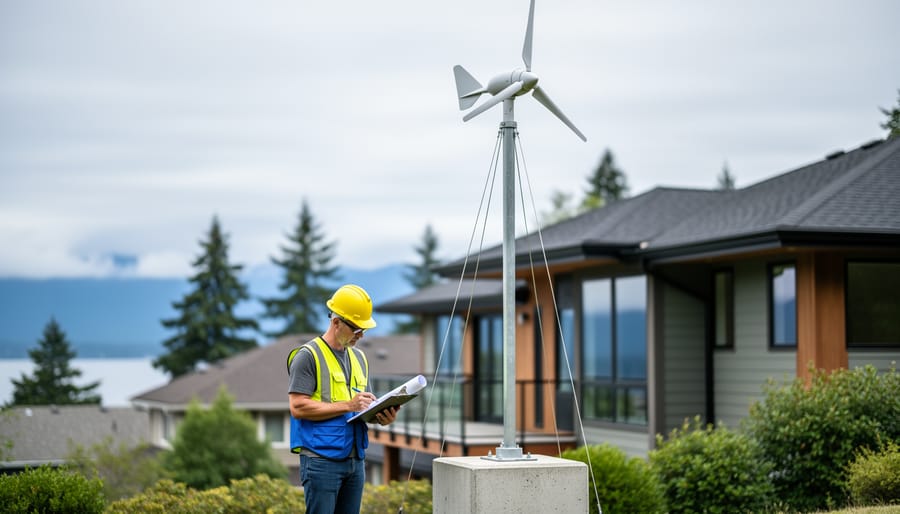
Verify your small wind turbine project meets BC Building Code requirements before purchasing equipment or breaking ground. Building codes exist to protect your safety, your neighbors, and your investment—ignoring them can result in expensive removal orders, denied insurance claims, and legal liability if your turbine causes property damage or injury.
Confirm your municipality’s zoning bylaws permit residential or commercial wind installations in your area. Many BC communities restrict turbine height to 15 meters or less in residential zones, while others prohibit them entirely near airports or in heritage districts. Contact your local building department directly rather than relying on online information, as bylaws change frequently and interpretation varies between jurisdictions.
Hire a professional engineer to assess your site’s structural requirements and prepare stamped drawings for permit applications. DIY installations rarely pass inspection, and amateur calculations about tower foundations, guy-wire anchoring, and wind loads create serious safety hazards. Engineers familiar with BC’s seismic requirements and coastal wind patterns will design systems that withstand extreme weather while meeting code specifications.
Secure electrical permits separate from your building permit, as utility interconnection requires certified electricians and utility company approval. Your local distribution company must inspect and approve your system before activation, a process taking 6-12 weeks even with complete documentation.
Budget 15-25% of your total project cost for permitting, engineering, and professional installation. This investment protects you from costly mistakes and ensures your wind system operates safely and legally for decades. British Columbia’s renewable energy community thrives when installations meet professional standards that build public confidence in small-scale wind power.
Why Building Codes Matter for Your Small Wind Installation
The Real Cost of Cutting Corners
In 2021, a Kamloops property owner installed a 10-kilowatt small wind turbine without obtaining proper permits or electrical inspections. The homeowner hired an unlicensed installer to save money, bypassing BC’s building code requirements and electrical safety standards. When a neighbor reported the installation to local authorities, the consequences were severe.
The Regional District issued a stop-work order and required a complete compliance review. Because the installation didn’t meet structural or electrical codes, the turbine had to be dismantled at the owner’s expense. The total cost exceeded $18,000, including removal fees, engineering assessments, and legal consultations. Additionally, the homeowner faced fines totaling $3,500 for proceeding without permits.
Most concerning was the safety risk. Engineers discovered the tower’s foundation was inadequate for BC’s wind loads, and the electrical connections posed fire hazards. The homeowner’s insurance policy also denied coverage for any potential damages since the work was completed without authorization.
This situation mirrors common permit rejection issues in renewable energy projects. Working with licensed professionals and following proper permitting procedures from the start would have cost approximately $2,500, saving this homeowner over $19,000 in remediation costs and protecting their family’s safety.
How Codes Protect Your Investment
Building codes aren’t just bureaucratic checkboxes – they’re your best insurance policy for a wind energy system that delivers value for decades. When your small wind installation meets BC’s building standards, you’re protecting your investment in several concrete ways. First, proper compliance ensures your system can withstand our region’s weather challenges, from coastal storms to Interior winds, preventing costly damage and repairs down the line. Second, code-compliant installations maintain your property value and avoid legal complications if you decide to sell – potential buyers and their inspectors will verify that renewable energy systems meet regulations. Third, meeting electrical and structural codes protects your insurance coverage; non-compliant installations can void policies, leaving you financially exposed. Consider a Gabriola Island business owner who invested in wind power following all code requirements. Five years later, their system still operates at peak efficiency, required minimal maintenance, and increased their property’s marketability. Meanwhile, insurance covered storm damage because the installation documentation proved compliance. Think of building codes as your project’s foundation – they ensure your sustainable energy investment delivers reliable returns while keeping your family, property, and financial interests secure.
Key Building Code Requirements for Small Wind Systems in BC
Structural Requirements and Foundation Standards
Before installing a small wind turbine in British Columbia, you need to ensure your structure meets specific foundation and stability requirements designed for our unique climate conditions. These standards protect both your investment and your community’s safety.
Foundation requirements vary based on your property’s soil type and local wind patterns. In coastal regions where winds can exceed 120 km/h, foundations must be engineered to withstand these forces while accounting for BC’s wet climate and potential soil saturation. Interior communities face different challenges, including freeze-thaw cycles that can affect ground stability. Your foundation design must address the specific climate zone where you’re building.
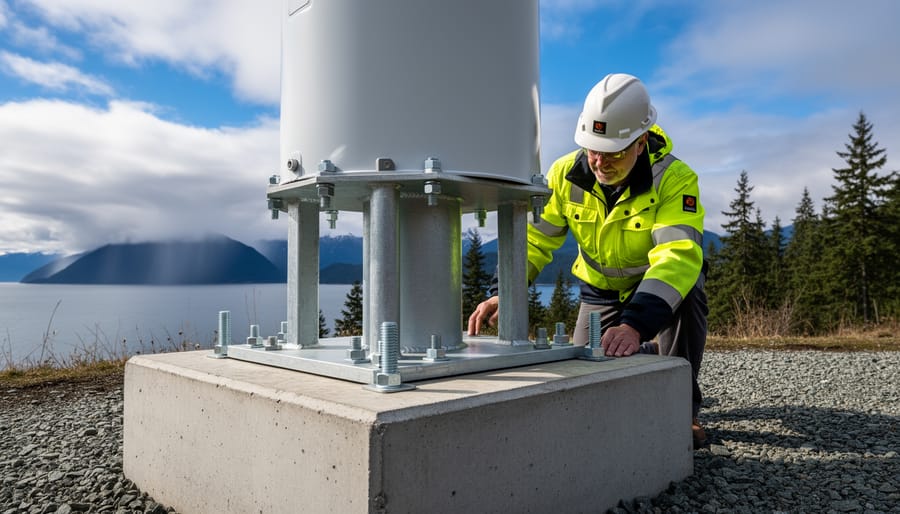
Wind load calculations are central to compliance. Engineers assess the expected wind speeds in your area, the tower height, and the turbine’s swept area to determine the forces your structure will encounter. BC’s building code requires these calculations to include safety factors that account for extreme weather events. For example, a successful installation in Gibsons demonstrated how proper engineering handled both coastal winds and seismic considerations specific to the region.
Most municipalities require a professional engineer’s stamp on structural plans. This isn’t just bureaucracy – it’s protection for you. An engineer familiar with BC’s conditions will ensure your tower can handle everything from winter storms to summer gusts. They’ll specify foundation depth, anchor bolt requirements, and concrete specifications suitable for your site’s soil conditions.
Working with qualified professionals from the start prevents costly redesigns and helps your permit application move smoothly through approval.
Electrical Code Compliance
Installing a small wind system means working with electricity, and safety comes first. In British Columbia, all wind energy installations must comply with the Canadian Electrical Code (CEC), which sets the standards for safe electrical work across the country. Think of these requirements as your roadmap to a reliable, hazard-free system that protects both your property and the people who maintain it.
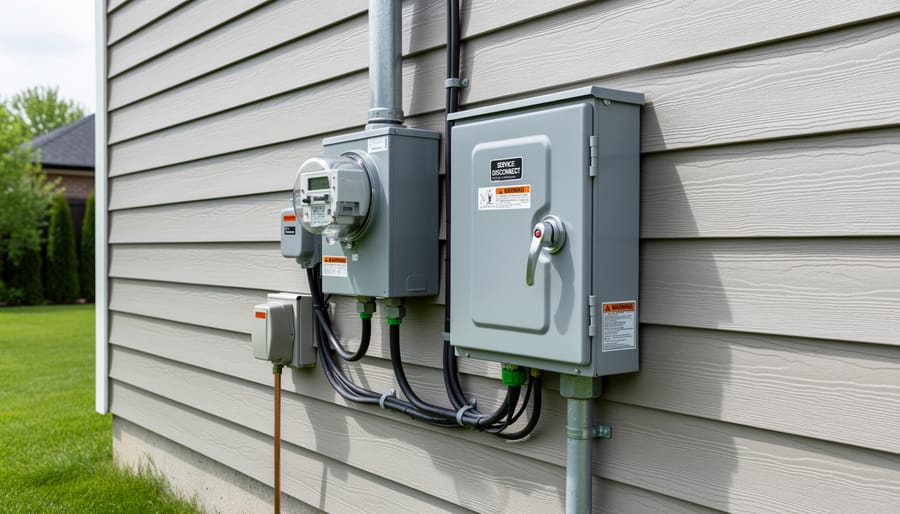
The CEC covers several critical areas for wind installations. Proper wiring ensures your system can handle the electrical load without overheating or creating fire hazards. This includes using correctly sized conductors and protective conduits rated for outdoor exposure to BC’s wet climate. Grounding requirements are particularly important for wind turbines since they’re elevated structures that need protection from lightning strikes and electrical faults.
Your system will need appropriate disconnect switches that allow you to safely shut down the turbine for maintenance or emergencies. These must be accessible and clearly labeled. If you’re connecting to BC Hydro’s grid, additional requirements apply for grid-tie systems, including approved inverters that automatically disconnect during power outages to protect utility workers.
Similar to solar installations requiring building code approval, wind systems need certified electrical work. Only licensed electricians can perform the installation and connection work. Your local electrical inspector will review the installation to verify compliance before you can energize the system.
A community wind project in the Comox Valley successfully navigated these requirements by engaging a qualified electrician early in the planning process, avoiding costly mistakes and ensuring their system met all safety standards from day one.
Setback and Height Restrictions
Before you install a small wind turbine on your BC property, understanding setback and height restrictions is essential to ensure your project complies with local building codes. These regulations exist to protect your safety, your neighbours’ well-being, and the visual character of your community.
Setback requirements determine how far your wind turbine must be positioned from property lines, roads, and existing structures. In most BC municipalities, small wind installations require setbacks ranging from 1.5 to 3 times the total height of the turbine (tower plus blade radius). For example, if your turbine stands 15 metres tall, you may need to position it at least 30 metres from your property line. This cushion prevents potential hazards if the structure falls and reduces noise impacts on neighbouring properties.
Height limitations vary significantly across BC communities. Urban areas like Vancouver and Victoria typically restrict turbines to 15-20 metres, while rural municipalities in the Interior or northern regions may permit structures up to 30 metres or higher. Some communities incorporate wind turbines into their accessory building bylaws, while others have specific renewable energy ordinances.
A property owner in the Cowichan Valley learned this lesson when their initial turbine design exceeded the 18-metre height limit. By consulting with their municipality early and adjusting their plans, they successfully installed a compliant system that now generates clean energy year-round.
Always check with your local planning department before purchasing equipment. What works in Prince George may not be permitted in Kelowna, making early research your best strategy for a smooth approval process.
Navigating the Permitting Process Step-by-Step
What Documents You’ll Actually Need
Before you begin your small wind installation journey in BC, gathering the right paperwork saves time and prevents delays. Your permit application will typically require a detailed site plan showing property boundaries, existing structures, and the proposed turbine location with setback distances clearly marked. You’ll need engineering reports that verify your tower’s structural integrity and confirm it can withstand local wind loads and seismic conditions specific to your region.
Manufacturer specifications are essential documentation that proves your equipment meets CSA or equivalent safety standards. Include technical sheets covering the turbine model, tower height, rotor diameter, and rated power output. Many municipalities also request a wind resource assessment demonstrating your site has adequate wind speeds to justify the installation.
Additional documents often include property surveys, proof of homeowner association approval if applicable, and electrical diagrams showing grid connection plans. Consider hiring a qualified professional who understands BC’s requirements, as they can prepare accurate drawings and calculations that meet local building officials’ expectations. When the Sunshine Coast Community Energy Cooperative installed their demonstration turbine, their complete documentation package expedited approval by three weeks compared to initial estimates. Create a checklist and confirm requirements with your local building department early in the process.
Working with Your Local Building Inspector
Your local building inspector is your ally, not an obstacle, in bringing your small wind project to life. These professionals ensure that installations meet safety standards and protect both you and your community. Before starting construction, reach out to schedule a pre-inspection meeting to discuss your plans. This proactive approach helps identify potential issues early and demonstrates your commitment to compliance.
Come prepared to inspections with all required documentation, including your approved permits, manufacturer specifications, and installation plans. Be receptive to feedback and questions—inspectors often have valuable insights from reviewing similar projects across British Columbia. If they identify concerns, address them promptly and maintain open communication throughout the process.
Remember that inspectors typically conduct multiple site visits: before foundation work, during installation, and after completion. Keep detailed records of all interactions and any modifications requested. A recent homeowner in the Comox Valley found that building a collaborative relationship with their inspector streamlined their approval process and even led to helpful suggestions for optimizing their turbine placement. This partnership approach not only ensures compliance but often results in a safer, more effective installation that serves your renewable energy goals for years to come.
Timeline and Common Delays to Expect
Understanding realistic timelines helps you plan your small wind project effectively and reduces frustration. In British Columbia, the permitting process typically takes between 4 to 12 weeks, though this varies significantly depending on your municipality and project complexity.
Simple residential installations in smaller communities often move faster, while projects in larger municipalities like Vancouver or Victoria may face longer review periods due to higher application volumes. Complex installations requiring environmental assessments or heritage district approvals can extend timelines to 6 months or more.
Common bottlenecks include incomplete application packages, which remain the leading cause of delays. Missing structural calculations, inadequate site plans, or insufficient noise impact studies will send your application back to square one. Working with experienced professionals from the start prevents these setbacks.
Seasonal workload fluctuations also affect processing times. Building departments typically experience higher volumes during spring and early summer when construction activity peaks. Submitting applications during slower periods like late fall may result in faster reviews.
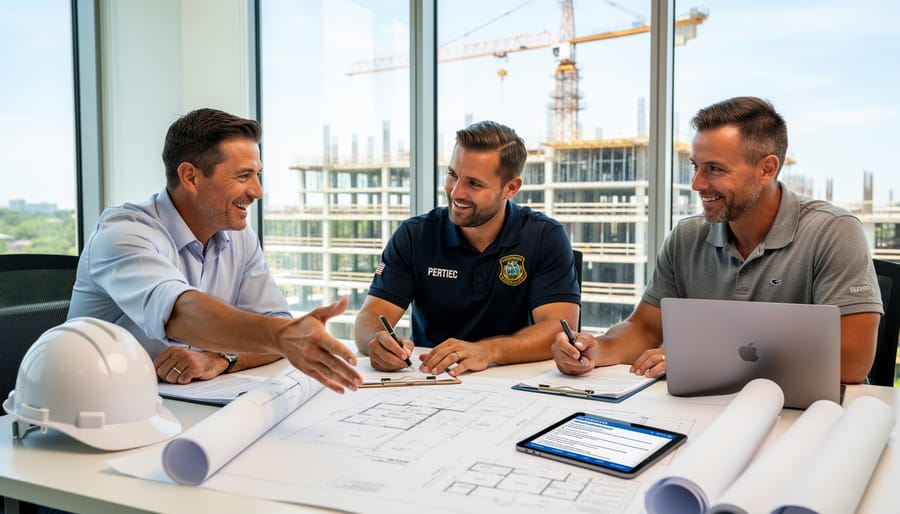
Communication gaps between applicants and building officials create unnecessary delays. Schedule a pre-application meeting to clarify requirements specific to your project. This proactive step, which most municipalities offer, helps identify potential issues before formal submission.
A local homeowner in Courtenay shared that their wind turbine permit took just 5 weeks because they consulted with their building department early, submitted complete documentation, and maintained regular follow-up communication. This success story demonstrates how preparation and engagement significantly accelerate approvals, getting your renewable energy system operational sooner while supporting BC’s clean energy goals.
How Certified Installers Simplify Code Compliance
What to Look for in a Qualified Wind Installer
Choosing the right installer is crucial for ensuring your wind energy system meets all regulatory standards and performs reliably for years to come. Start by verifying that potential installers hold relevant certifications, such as those from the Canadian Wind Energy Association or recognized trades qualifications in BC. Ask about their specific experience with small wind installations in your region, as local knowledge makes a significant difference when navigating municipal requirements and understanding code compliance requirements.
Request references from recent projects and contact those customers to learn about their experience with the permitting process and post-installation support. A qualified installer should readily provide proof of liability insurance and workers’ compensation coverage. They should also demonstrate clear communication skills, explaining the entire installation process, timeline, and their approach to securing necessary permits and inspections.
Look for installers who offer comprehensive warranties on both equipment and workmanship. In the Kootenays, for example, homeowners who selected certified installers with proven local track records experienced smoother permit approvals and fewer post-installation complications. Don’t hesitate to interview multiple installers before making your decision, ensuring you find someone committed to quality, safety, and full regulatory compliance.
Local Success Story: A Vancouver Island Wind Installation
When the Hartley family decided to install a small wind turbine at their rural property near Courtenay in 2022, they knew the compliance process would be detailed but felt confident with the right approach. Their 10-kilowatt Bergey WindPower turbine now generates approximately 60% of their home’s annual electricity needs, and their journey offers valuable lessons for others considering wind energy on Vancouver Island.
The Hartleys started by consulting with a local renewable energy contractor who understood regional building codes and Vancouver Island’s unique wind patterns. This professional guided them through the permitting process, beginning with a detailed site assessment that measured wind speeds and identified optimal turbine placement while maintaining required setback distances from property lines and neighbouring homes.
Their contractor helped prepare comprehensive permit applications for the Comox Valley Regional District, including structural engineering calculations for the 80-foot tower, foundation specifications suited to their soil conditions, and electrical system plans reviewed by a certified electrician. The family also obtained a development permit variance to address height restrictions, which required presenting their project to local neighbours and addressing concerns about noise and visual impact.
The entire approval process took approximately four months, which the Hartleys found reasonable given the thoroughness required. Their proactive communication with neighbours proved essential, as they invited community members to site visits and shared noise impact studies showing the turbine would operate well within acceptable levels.
Since installation in late 2022, the turbine has performed reliably through Vancouver Island’s winter storms and summer calms. The Hartleys’ electricity bills have dropped significantly, and their experience demonstrates that working with qualified professionals and engaging openly with the community makes navigating building code compliance manageable. They emphasize that patience during the permitting phase ensures a safe, code-compliant installation that benefits your household for decades while contributing to British Columbia’s renewable energy goals.
Integrating Wind with Your Solar System
Many BC homeowners and businesses find that pairing small wind turbines with existing solar panels creates a powerful hybrid renewable energy system. Wind energy often peaks during winter months and nighttime hours when solar production drops, providing year-round electricity generation that maximizes your energy independence.
When combining these technologies, you’ll navigate overlapping regulatory requirements. Both systems require building permits, but the good news is that many compliance principles align. If you’ve already worked through solar energy compliance, you’ll recognize familiar concepts like structural load calculations, electrical interconnection standards, and setback requirements.
Your hybrid system permit application should clearly document how both components integrate. Electrical inspections will verify that your inverter and connection points safely handle combined power inputs. Some BC municipalities have streamlined permitting for integrated renewable systems, recognizing that property owners pursuing multiple clean energy technologies demonstrate serious commitment to sustainability.
Consider the Duncan Island community hub, which successfully combined rooftop solar with a small wind turbine. Their integrated approach simplified permitting by presenting a comprehensive energy plan upfront, showing inspectors exactly how systems would work together safely.
Working with an installer experienced in hybrid systems proves invaluable. They understand how building codes apply to combined installations and can help you avoid duplicate work or conflicting requirements. This integrated planning approach not only ensures compliance but often results in better overall system performance and cost savings through shared infrastructure like mounting structures and electrical connections.
Your Next Steps Toward Compliant Wind Energy
Taking the step toward wind energy compliance doesn’t have to feel overwhelming. Start by contacting your local municipality’s planning department to understand specific requirements in your area. They can provide zoning information, setback regulations, and guide you through the permit application process. Many BC communities have staff familiar with renewable energy projects who are eager to help.
Next, connect with certified wind energy installers who understand BC’s building codes and can handle the technical aspects of compliance. Ask for references and look for professionals with successful local installations. Their expertise will save you time and prevent costly mistakes.
Visit the BC Energy Regulator and Natural Resources Canada websites for comprehensive guides on small wind systems. These resources offer helpful planning tools and updated regulatory information.
Remember, the initial effort you invest in compliance pays long-term dividends through safe operation, insurance coverage, and contributing to BC’s clean energy future. Many homeowners and businesses across the province have successfully navigated this process, and with the right support, you can too. Your wind energy project is an achievable goal that benefits both your property and our shared environment.