
Author: aubrey
-
What Your Solar Panel Specs Really Mean for Your BC Home
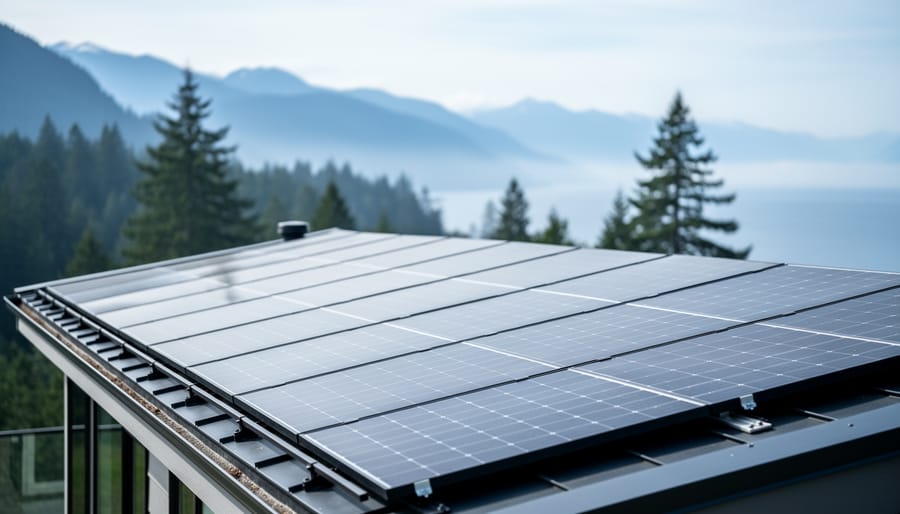
Compare wattage ratings across multiple panels to understand power output potential: a 400W panel generates more electricity per hour of sunlight than a 300W panel, directly impacting how many panels you’ll need for your home. Check the efficiency percentage, which tells you how much rooftop space you’ll require—panels with 20% efficiency produce more power per…
-
How to Pay for Solar Panels Without Breaking the Bank
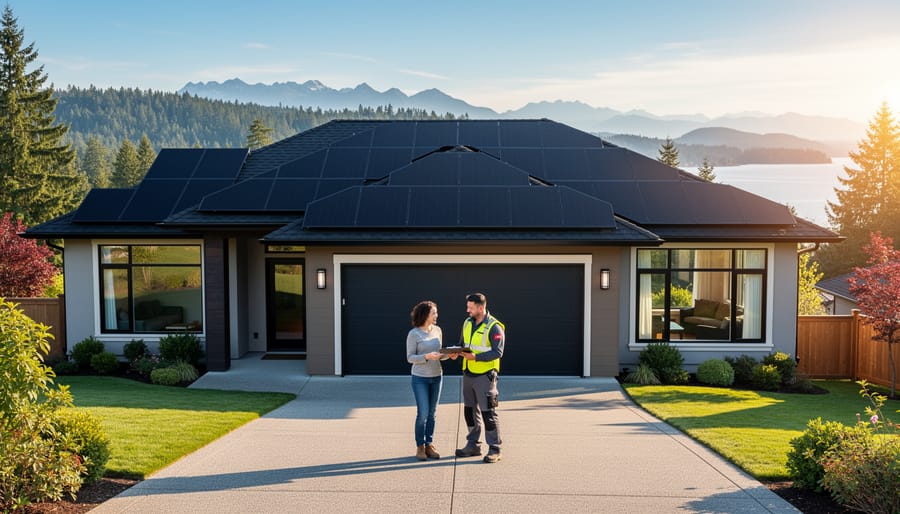
Explore upfront purchase options to maximize long-term savings and government incentives, allowing you to own your system immediately and benefit from BC’s net metering program that credits excess energy back to your account. Consider low-interest solar loans through credit unions and green financing programs that spread costs over 5-15 years while you still own the…
-
Why BC Homes Use More Energy Than They Should (And What You Can Do About It)
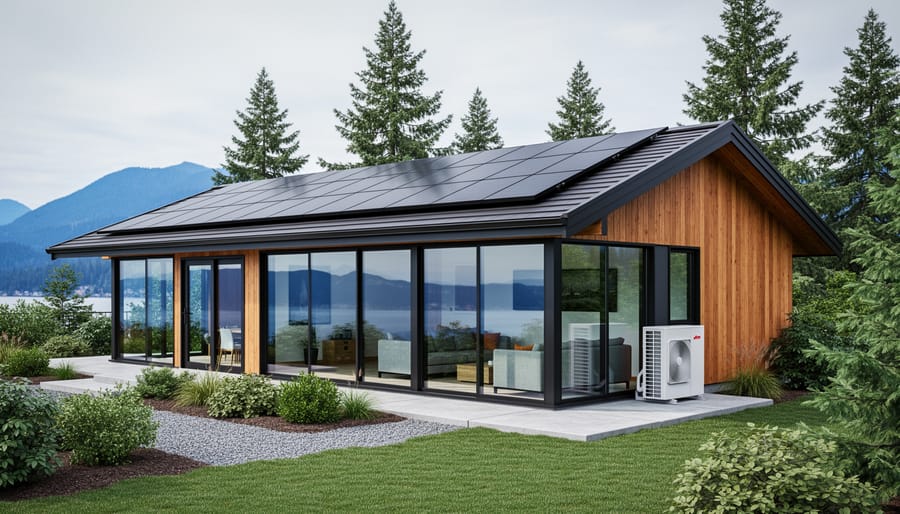
Understanding where your home fits in the bigger energy picture changes how you approach efficiency improvements. In the United States, energy consumption divides into four primary sectors: transportation (28%), industrial (26%), residential (22%), and commercial (18%). Your household sits within that 22% residential slice, which translates to roughly 20 million BTUs per year for the…
-
Why Series-Parallel Solar Panel Wiring Doubles Your System’s Reliability
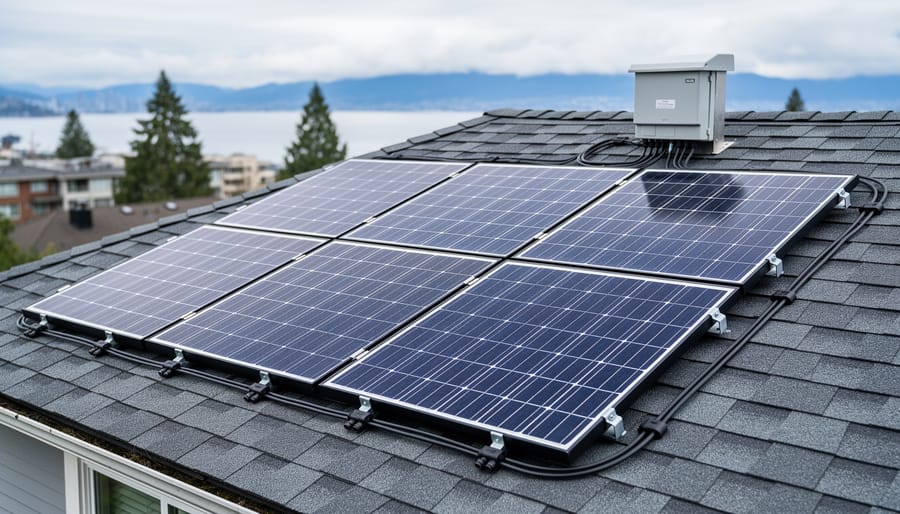
Connect your four solar panels by pairing two panels in series to boost voltage, then connecting those two pairs in parallel to maintain higher current output. This series-parallel configuration balances the system’s electrical characteristics, delivering optimal performance for medium-sized installations across British Columbia’s varied climate conditions. This wiring approach solves a common challenge: achieving the…
-
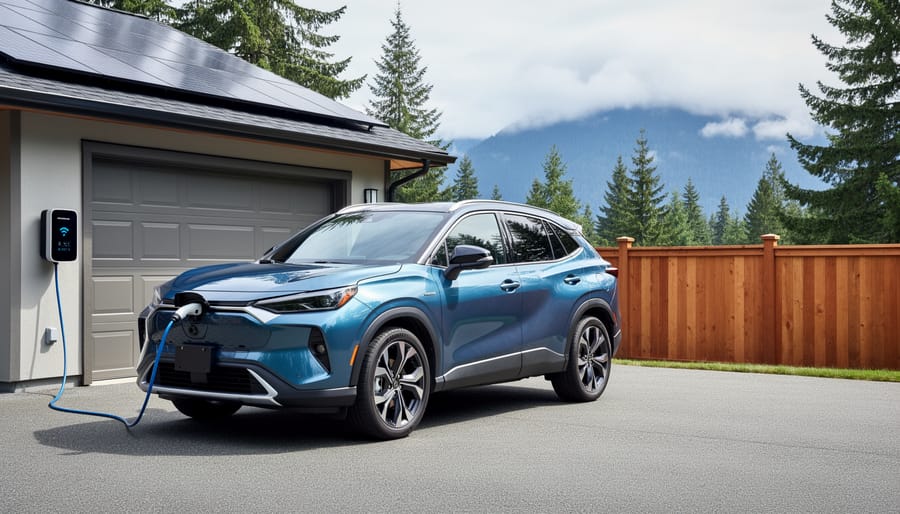
What You’ll Actually Pay to Charge Your Hybrid Car in BC
Charging a plug-in hybrid in British Columbia costs between $1.50 and $3.00 for a full charge, significantly less than filling up with gasoline. At BC’s average electricity rate of 14 cents per kWh, a typical plug-in hybrid with a 12 kWh battery costs approximately $1.68 to fully charge and provides 50-80 kilometers of electric driving…
-

How BC Homeowners Can Save Thousands with the 2025 Solar Panel Tax Credit
Claim up to 30% of your solar installation costs back through the federal Investment Tax Credit for 2025—a benefit that can put thousands of dollars directly into your pocket while reducing your carbon footprint. British Columbia homeowners and businesses installing solar panels this year qualify for this significant financial incentive, which applies to the total…
-
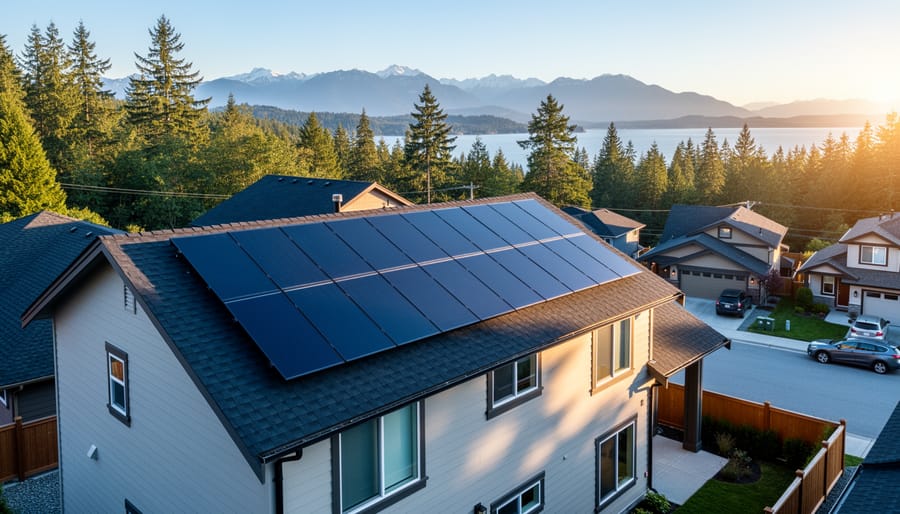
How Zero Interest Solar Loans Make Going Solar Affordable Right Now
Zero-interest solar loans exist, and they’re transforming how BC homeowners access clean energy without the traditional financial barriers. These financing options eliminate interest charges over loan terms typically ranging from 12 to 24 months, making solar installations genuinely affordable by spreading costs into manageable monthly payments that often match or beat current electricity bills. The…
-
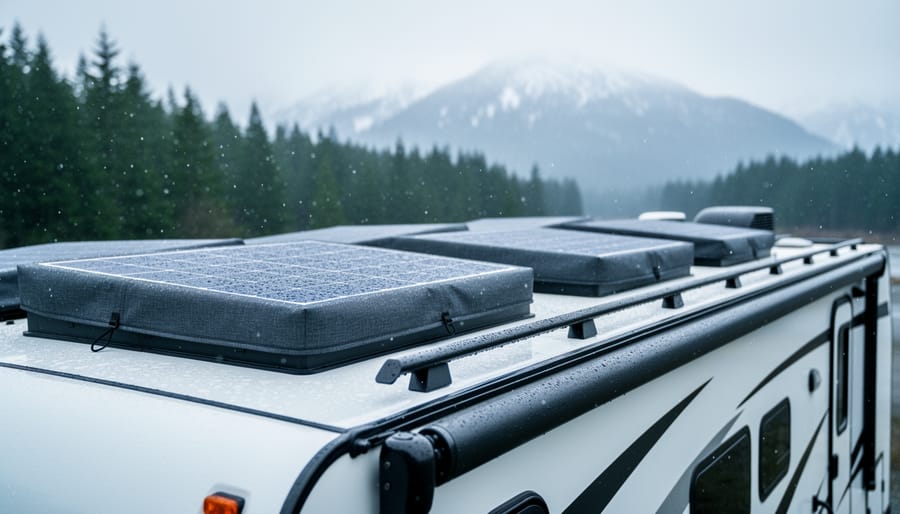
Your Solar Panels Are Vulnerable: Here’s How to Protect Them from BC’s Weather
Protect your RV solar investment from British Columbia’s harsh winter snow, coastal rain, and summer hail by installing dedicated protective covers during storage periods or extreme weather events. These covers prevent physical damage, reduce weathering, and extend panel lifespan by up to 30%, making them essential for the province’s diverse climate zones from the Lower…
-
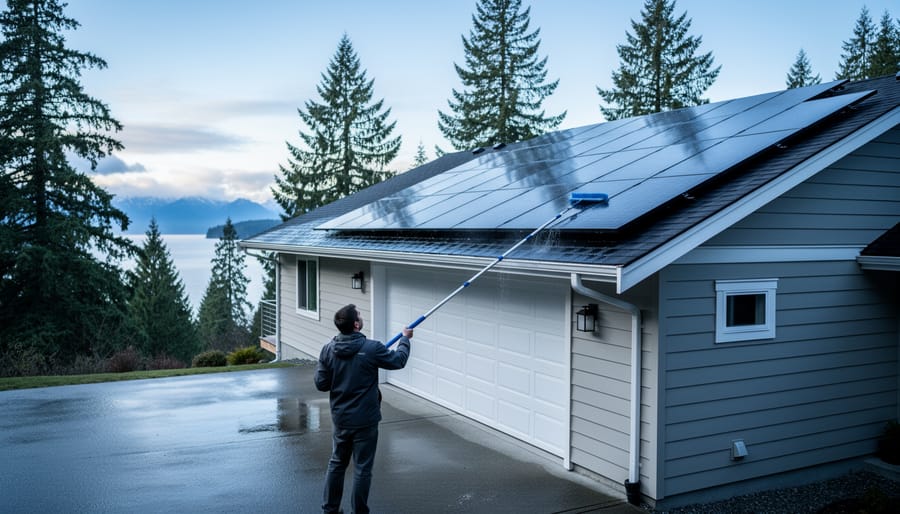
Clean Solar Panels Like a Pro Without Wasting Money on Services
Inspect your solar panels every three months for visible dirt, pollen, bird droppings, and debris that can reduce energy production by up to 25%. British Columbia’s mild, rainy climate naturally cleans panels during wet seasons, but summer months and coastal areas with salt spray require more attention. Check your system’s monitoring app first—a sudden drop…
-
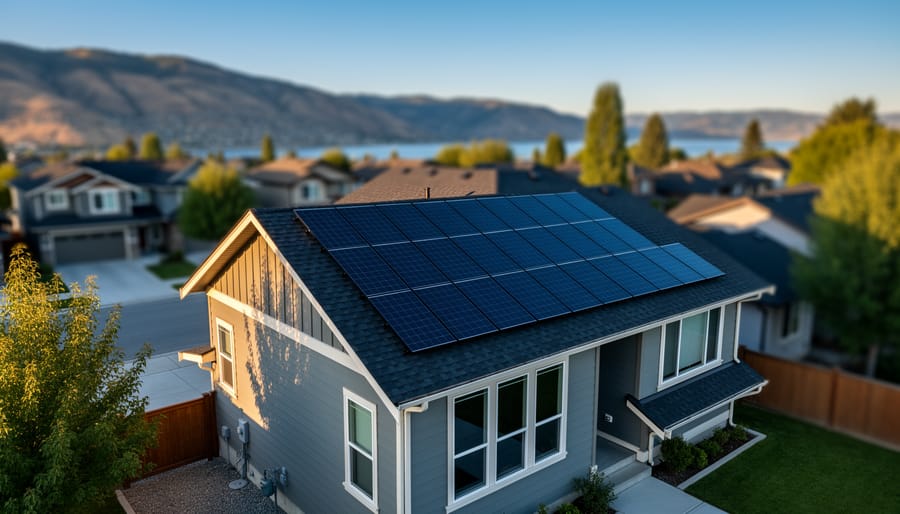
What a 4 Kilowatt Solar System Actually Powers in Your Kelowna Home
A 4 kilowatt solar system typically powers a modest Kelowna home consuming 400-500 kWh monthly, running essentials like your refrigerator, lighting, electronics, and laundry equipment while offsetting approximately 80-90% of your electricity bills. In Kelowna’s climate, this system generates roughly 4,800-5,200 kWh annually, translating to $600-700 in energy savings each year based on current BC…