
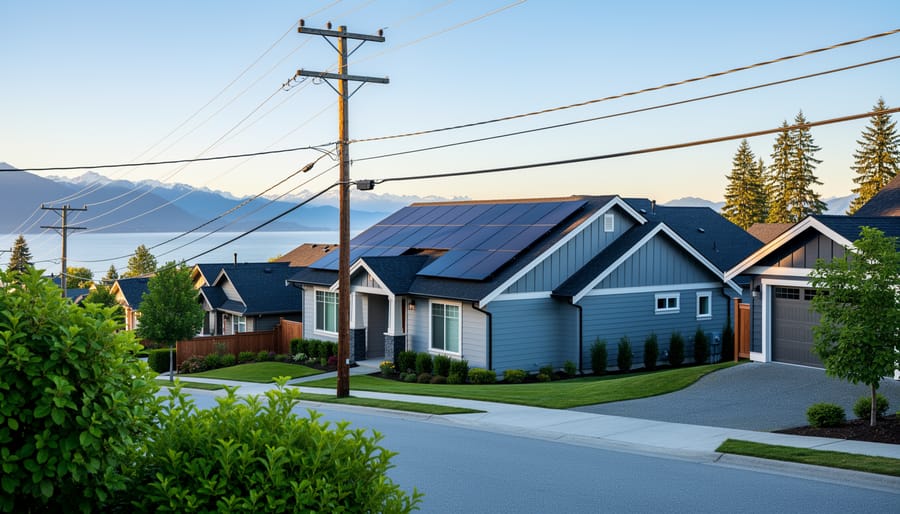
Distributed Energy Resources (DER) integration refers to connecting small-scale power generation systems—like rooftop solar panels and battery storage—to British Columbia’s electrical grid. If you’re considering solar for your home or business, recent BC interconnection reforms have transformed this process from a months-long ordeal into a streamlined pathway, directly impacting how quickly you can start generating clean energy and reducing your electricity bills.
Understanding DER integration matters because it determines three critical factors in your solar journey: how long before your system connects to the grid, what costs you’ll face during the application process, and whether your project is technically feasible at your location. BC Hydro’s updated interconnection standards now categorize projects by size and complexity, with smaller residential systems under 100 kW benefiting from expedited approval timelines—often completing in weeks rather than months.
The regulatory changes address previous bottlenecks that delayed solar adoption across the province. Standardized application forms, transparent fee structures, and pre-approved equipment lists have replaced the previous case-by-case approach that created uncertainty for BC homeowners and businesses. These reforms mean you can now calculate realistic timelines and budget accurately from day one.
This shift represents more than administrative efficiency—it’s opening solar access to communities throughout British Columbia, from Vancouver Island to the Interior, making clean energy adoption a practical reality rather than a complicated aspiration. Whether you’re a homeowner in Victoria or a business owner in Kelowna, these changes directly affect your ability to participate in BC’s clean energy transition.
What Is DER Integration and Why Should BC Residents Care?
Breaking Down the Technical Term
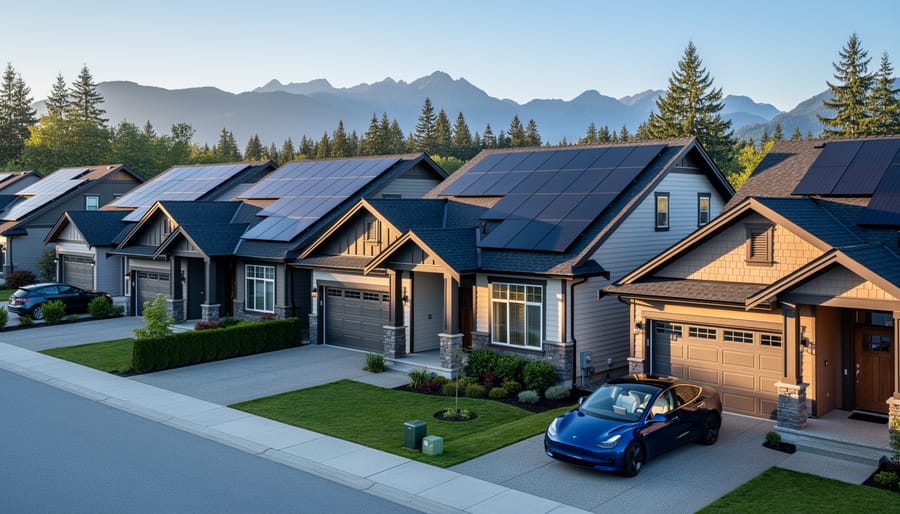
Let’s break this down into simple terms. DER stands for Distributed Energy Resources—essentially, energy systems at your home or business rather than large, distant power plants. In British Columbia, the most common DERs include rooftop solar panels that generate electricity from sunlight, battery storage systems that save excess power for evening use, and electric vehicle chargers that power your EV with clean energy.
Now, what does integration actually mean? Think of it as connecting these systems to BC’s electrical grid so they work harmoniously together. When your solar panels produce more electricity than you need on a sunny afternoon, integration allows that excess power to flow back to the grid, often earning you credits through net metering. When your panels aren’t producing enough—like during winter evenings—integration ensures you can seamlessly draw power from the grid without interruption.
For BC residents, successful DER integration means your solar investment becomes part of a larger energy ecosystem. Your battery can store power during off-peak hours, your EV charges when electricity rates are lowest, and your solar panels contribute to your community’s clean energy supply. The recent interconnection reforms make this process faster and more affordable, removing barriers that previously made connecting these systems complicated and costly.
The Connection Challenge That’s Been Holding BC Back
For years, British Columbians eager to embrace solar power faced a frustrating reality: getting connected to the grid was painfully slow. Before recent reforms, homeowners and businesses waited months, sometimes over a year, just to receive approval to turn on their solar systems. The process involved mountains of paperwork, unclear requirements, and unpredictable timelines that left many wondering if going solar was worth the hassle.
Take the example of a Vancouver Island business owner who installed panels in 2019. Despite completing the installation in spring, they couldn’t connect to the grid until late fall—missing prime summer production months and delaying their return on investment. This wasn’t unusual. Application backlogs meant that BC Hydro and FortisBC struggled to process requests efficiently, creating a bottleneck that discouraged potential solar adopters.
These delays didn’t just cost time. They represented lost energy production, mounting carrying costs for financing, and genuine frustration for environmental champions who wanted to be part of the solution. The connection challenge became one of the biggest barriers preventing BC from realizing its clean energy potential, even as solar technology became more affordable and accessible than ever before.
BC’s DER Interconnection Reforms: What’s Actually Changing
Faster Approval Processes
Gone are the days of waiting months to connect your solar system to BC’s grid. Recent regulatory reforms have introduced standardized application forms and pre-approved equipment lists that are dramatically reducing approval times across the province.
BC Hydro and FortisBC now maintain regularly updated lists of certified solar inverters and panels that meet safety and technical standards. When your installer uses equipment from these lists, your application moves through a fast-track review process. Many residential systems under 100 kW now receive approval within 2-4 weeks instead of the previous 8-12 week timeline.
The new standardized forms eliminate confusion and back-and-forth communication that previously delayed applications. Instead of navigating different requirements for each utility, installers now complete consistent paperwork that covers all necessary technical specifications upfront.
For homeowners like Sarah Chen in Kelowna, this meant her 6 kW rooftop system received grid connection approval in just 18 days. “I was prepared for a long wait based on what neighbours told me about their experience two years ago,” she shares. “The streamlined process made everything so much easier.”
These improvements mean you can start generating clean energy and seeing savings on your electricity bills sooner than ever before.
Clearer Cost Structures
One of the most significant improvements in BC’s interconnection reforms is the shift toward predictable, upfront pricing. In the past, homeowners often faced surprise fees during the connection process, making it difficult to budget accurately for their solar projects. The updated framework establishes standardized fee schedules that your utility provider must disclose before you begin.
For most residential solar installations in BC, you can now expect interconnection application fees ranging from $500 to $1,500, depending on your system size and utility provider. BC Hydro, for example, has published clear fee structures on their website, eliminating the guesswork. These fees typically cover administrative processing, technical review, and any necessary equipment inspections.
The Maple Ridge Solar Co-op found that transparent pricing helped members plan their budgets more confidently, with 89% reporting they experienced no unexpected costs during connection. This predictability is especially valuable for families and small businesses working within tight financial constraints.
Beyond application fees, you should also budget for potential upgrade costs if your electrical panel needs modifications. Most modern homes require minimal changes, but older properties might need $500-$2,000 in upgrades. Your solar installer can assess this during the initial site evaluation, ensuring you have a complete picture of your investment from day one.
Simplified Technical Requirements
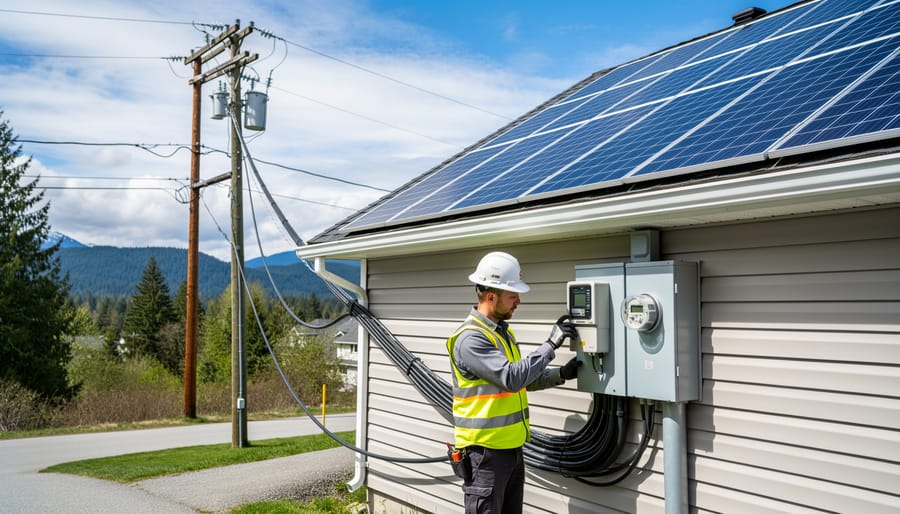
BC’s updated technical standards have removed many of the complexity barriers that previously slowed down solar installations. The new rules establish clear, straightforward requirements that professional installers can follow without requiring extensive custom engineering for each project.
One significant improvement involves standardized connection processes for systems under 100 kW, which covers most residential and small commercial installations. Instead of navigating multiple approval stages with uncertain timelines, installers now work with pre-approved equipment lists and simplified application forms. This means your solar provider can predict connection timelines more accurately and keep your project on schedule.
The updated standards also introduce consistent safety protocols across BC, allowing installers to develop streamlined workflows. For example, a solar company completing a residential installation in Kelowna now follows the same technical checklist they’d use for a similar project in Victoria. This consistency reduces errors, speeds up inspections, and ultimately lowers installation costs.
Another practical benefit is improved grid compatibility requirements. Modern inverters and monitoring equipment now meet unified standards that ensure your solar system communicates effectively with BC’s electrical grid. This means fewer technical hiccups during installation and better long-term system performance. For BC homeowners and businesses, these simplified requirements translate directly into faster connections, more competitive pricing from installers, and greater confidence in your solar investment.
Understanding Hosting Capacity: Your Neighbourhood’s Solar Potential
What Hosting Capacity Really Means
Think of your local electrical grid like a neighbourhood water system. Just as your community’s pipes can only handle so much water flowing back from individual homes, your local electrical infrastructure has a limit to how much solar power it can safely accept from rooftop systems and other distributed energy resources.
This limit is called hosting capacity. It’s the maximum amount of distributed generation your specific grid section can accommodate without requiring expensive upgrades to transformers, wires, or other equipment. Every neighbourhood has a different capacity based on factors like existing infrastructure age, current electricity demand, and how many homes or businesses already have solar installed.
Here’s a practical example: In Vancouver’s Kitsilano neighbourhood, BC Hydro determined that certain residential blocks could support an additional 500 kilowatts of solar before needing infrastructure improvements. Once early adopters installed their systems, remaining capacity decreased, affecting connection timelines for later applicants.
Understanding your area’s hosting capacity helps you anticipate whether your solar installation will be straightforward or require grid upgrades. BC’s recent interconnection reforms now make this information more accessible, helping you plan your solar journey with realistic expectations about timelines and potential costs.
How to Find Your Area’s Hosting Capacity
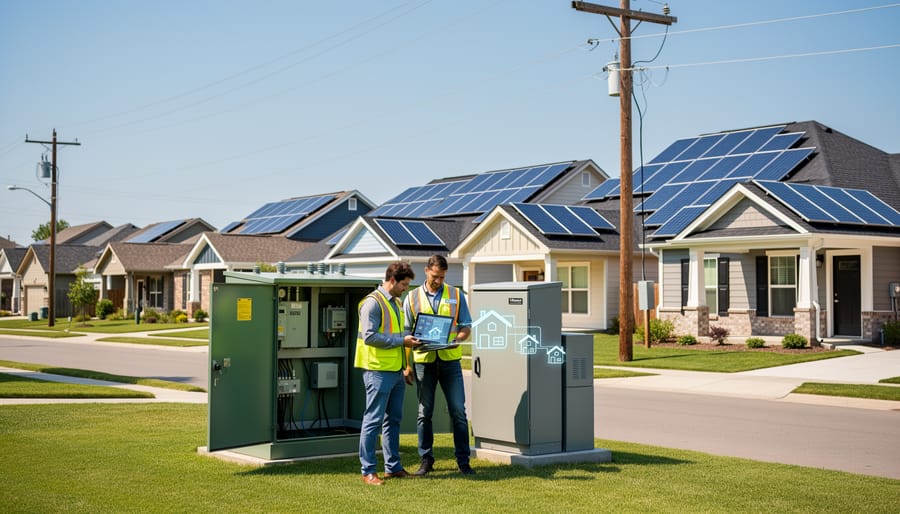
Understanding your local grid’s capacity to accept solar energy is simpler than you might think. BC Hydro and FortisBC now provide online hosting capacity maps that show exactly how much renewable energy each section of the grid can handle.
To access these maps, visit your utility’s website and look for their interconnection or hosting capacity portal. You’ll enter your address or select your neighbourhood on an interactive map. The system displays available capacity in kilowatts, showing whether your area has room for new solar installations.
Here’s what the data means for you: Green zones indicate high hosting capacity, meaning connections will likely be straightforward and faster. Yellow areas suggest moderate capacity, where you may need minor upgrades. Red zones show limited capacity, potentially requiring grid improvements that could affect timelines and costs.
For example, a Kelowna business owner discovered their industrial area had 500kW of available capacity, allowing them to proceed immediately with a 100kW solar array without costly upgrades.
Check your area’s capacity before requesting quotes from installers. This simple step helps you set realistic expectations and avoid surprises during the application process. If capacity is limited, don’t worry—utilities regularly update these maps as grid improvements occur.
What Happens When Capacity Is Reached
When your local grid reaches capacity, BC Hydro traditionally required costly infrastructure upgrades before connecting new solar systems. Here’s where recent reforms make a real difference for your solar project. Under the old system, if your neighbourhood’s transformer or distribution line couldn’t handle additional solar generation, you might face upgrade bills ranging from $10,000 to over $100,000, depending on the work required.
The 2024 interconnection reforms introduce a fairer approach. BC Hydro now uses hosting capacity analysis to identify grid constraints before they become barriers. When upgrades are necessary, costs are increasingly shared across benefiting customers rather than placing the entire burden on individual solar adopters. Priority queuing systems also ensure that projects ready to proceed aren’t indefinitely delayed by capacity issues.
For example, a Kelowna business district recently saw five solar installations connect smoothly after BC Hydro proactively upgraded a shared transformer, distributing costs among multiple commercial properties. This community-minded approach means your solar timeline becomes more predictable, and unexpected expenses less likely to derail your renewable energy goals.
Real Impact: How These Changes Benefit BC Solar Customers
Case Study: A Vancouver Island Installation
When Sarah Chen decided to add solar panels to her Nanaimo home in early 2024, she expected months of delays based on stories from neighbors who had installed systems years earlier. Instead, her experience showcased how BC’s streamlined interconnection reforms have transformed the process.
Sarah’s 8-kilowatt residential system qualified for the new fast-track approval process because it met standardized technical requirements. Her solar installer submitted the application digitally in February, and BC Hydro approved the interconnection within 15 business days—a stark contrast to the 60 to 90-day waits that were common just two years ago.
The cost savings proved equally impressive. Under the previous system, Sarah would have faced approximately 1,200 dollars in interconnection fees and potentially needed custom engineering studies. The new standardized approach reduced her interconnection costs to just 350 dollars, as her system fell within the pre-approved technical specifications that no longer require individual utility reviews.
Her solar panels went live in mid-March, just six weeks after her initial application. Sarah now generates approximately 75 percent of her household electricity needs during summer months and receives credits for excess power fed back to the grid through BC Hydro’s net metering program.
This real-world example demonstrates how regulatory reforms have removed barriers that once discouraged homeowners from exploring renewable energy. Faster approvals, lower costs, and predictable timelines mean BC residents can now make confident decisions about solar investments.
The Bottom Line for Your Solar Investment
For BC homeowners and businesses, these interconnection reforms translate into real dollars and significant time savings. Under the streamlined process, typical residential solar installations now connect to the grid in 30-45 days compared to the previous 90-120 day timeline. That’s potentially two months of energy generation you’re no longer leaving on the table.
The financial impact is equally compelling. With standardized application requirements, you’ll avoid costly resubmissions and engineering revisions that previously added $500-$1,500 to project costs. Many BC solar customers report saving between $2,000-$4,000 on their total installation through faster approvals and reduced soft costs like extended contractor timelines and project management fees.
Consider the experience of a Kelowna small business that installed a 25kW system in early 2024. Thanks to the reformed process, they connected in 35 days and began offsetting their electricity bills immediately. Over the first year alone, they’re saving approximately $4,200 in energy costs while avoiding the $1,200 in delays and additional fees that similar projects faced just two years prior.
The hassle factor has decreased substantially too. With clear guidelines and predictable timelines, you can confidently plan your solar investment without the uncertainty that previously plagued the process. You’ll spend less time navigating bureaucracy and more time enjoying clean energy and lower bills. For most BC solar adopters, these reforms mean your investment pays for itself several months earlier than it would have under the old system.
What This Means for Your Solar Project Timeline
Before You Start: New Resources Available
Good news for BC residents exploring solar energy: you now have access to powerful planning tools that weren’t available just a few years ago. BC Hydro’s updated interconnection portal provides real-time information about grid capacity in your area, helping you understand connection feasibility before investing time and money. The portal includes preliminary screening results that can tell you within minutes whether your property is a good candidate for solar installation.
Additionally, the provincial government has launched a DER integration resource hub featuring cost calculators, timeline estimators, and interactive maps showing successful solar installations across BC communities. These tools let you compare your project to similar homes and businesses in your region, giving you realistic expectations for installation costs and energy savings. Many BC residents report that accessing these resources early in their solar journey saved them both time and uncertainty, allowing them to move forward with confidence.
Working with Your Installer Under New Rules
Your certified installer is your guide through BC’s reformed interconnection process, and they’re now equipped with clearer guidelines to streamline your solar project. Under the new rules, expect your installer to provide more accurate timeline estimates from the outset, typically ranging from 60 to 90 days for standard residential systems. They’ll handle all technical submissions to BC Hydro or FortisBC, ensuring your application meets the updated technical requirements.
A good installer will walk you through what the reforms mean for your specific project. For example, they’ll explain whether your system qualifies for the expedited review track, which can significantly reduce waiting times. They should also provide transparent cost breakdowns, including any utility interconnection fees, which are now more standardized across the province.
Communication is key throughout the process. Your installer should keep you informed about application milestones and any utility feedback. Many BC installers now offer project tracking portals where you can monitor progress in real-time.
Don’t hesitate to ask questions about how the reforms benefit your project. A knowledgeable installer will highlight advantages like reduced paperwork and faster approvals, helping you understand exactly when your system will start generating clean energy and savings for your home or business.
BC’s ongoing DER integration reforms are opening doors for homeowners and businesses ready to embrace solar energy. These changes translate to faster connection approvals, reduced costs, and greater transparency throughout your solar journey. What once seemed like a complex maze of technical requirements now offers clearer pathways, especially for smaller residential systems that can move through streamlined approval processes in weeks rather than months.
The real winners? Communities across British Columbia. From Vancouver Island to the Interior, these reforms mean more rooftops generating clean energy, reduced strain on the provincial grid during peak demand, and meaningful contributions toward BC’s climate goals. Each installation builds momentum toward a more resilient, distributed energy system that benefits everyone.
Ready to explore solar for your property? Start by checking BC Hydro’s hosting capacity map to confirm your neighbourhood’s grid capacity. This simple step shows whether your location can easily accommodate solar without requiring costly infrastructure upgrades. Next, connect with certified solar installers who understand the reformed interconnection process and can guide you through application requirements specific to your system size.
Solar BC offers interactive tools to estimate your potential savings and system performance based on your location and energy use. These calculators transform abstract concepts into personalized projections, helping you make informed decisions.
The path to solar has never been clearer in British Columbia. Whether you’re motivated by environmental stewardship, long-term cost savings, or energy independence, DER integration reforms have simplified the journey. Take that first step today—your future self and your community will thank you.