
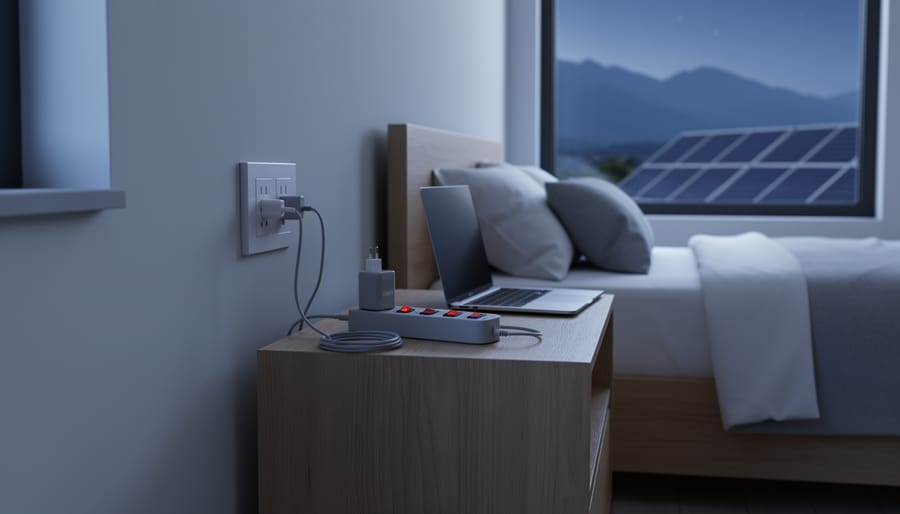
Your devices are quietly draining energy and money even when you think they’re off. Computers in sleep mode, phone chargers left plugged in, coffee makers on standby—these phantom loads account for up to 20% of your electricity bill. Plug load controls offer a straightforward solution: intelligent outlets and power strips that automatically cut power to devices when they’re not in use, eliminating waste without requiring you to change your daily habits.
For British Columbia households and businesses already investing in solar energy or exploring renewable options, plug load controls multiply your savings. Every watt you prevent from being wasted is a watt you don’t need to generate or purchase from the grid. A local Vancouver office reduced their annual energy consumption by 15% simply by installing smart power strips in their workspace, saving over $2,000 yearly while reducing their carbon footprint.
The technology works through sensors, timers, and connectivity features that learn your usage patterns. When your computer shuts down, connected peripherals automatically power off. When you leave a room, motion sensors cut electricity to non-essential devices. Some systems integrate with your smartphone, giving you complete control from anywhere.
Whether you’re running a small business in Victoria or managing a household in Kelowna, plug load controls represent one of the fastest, most affordable paths to meaningful energy reduction. The payback period typically ranges from 6 to 18 months, making this a practical investment that aligns environmental responsibility with financial benefit.
What Are Plug Loads and Why Should You Care?
Every time you plug a device into an outlet, you’re creating what energy experts call a plug load. Simply put, plug loads are all the electronics and appliances connected to standard electrical outlets in your home or business, from your coffee maker and computer to your phone charger and space heater.
Understanding plug loads matters because they account for a significant portion of your energy consumption. In BC homes, plug loads can represent 20-30% of total electricity use, and that percentage climbs even higher in commercial settings where computers, printers, and equipment run throughout the day.
Not all plug loads are created equal. Controllable loads include devices you can easily schedule or turn off without disrupting your routine, like coffee makers, desk lamps, or phone chargers. Uncontrollable loads are essential devices that need to run continuously or at specific times, such as refrigerators, medical equipment, or security systems. The key to managing energy effectively lies in identifying which loads fall into each category.
BC’s unique seasonal patterns make plug load management especially relevant. During our dark, rainy winters, we rely more heavily on artificial lighting and space heaters, creating peak demand periods. Meanwhile, our relatively mild summers mean different consumption patterns compared to other regions. Many BC households also experience “phantom loads” or standby power consumption, where devices draw electricity even when turned off, quietly adding to your energy bills year-round.
By understanding and controlling your plug loads, you can reduce energy waste, lower utility costs, and make better use of renewable energy sources like solar power. The good news? Modern plug load controls make this easier than ever, giving you simple tools to take charge of your energy consumption.
How Plug Load Controls Actually Work
Smart Outlets vs. Traditional Power Strips
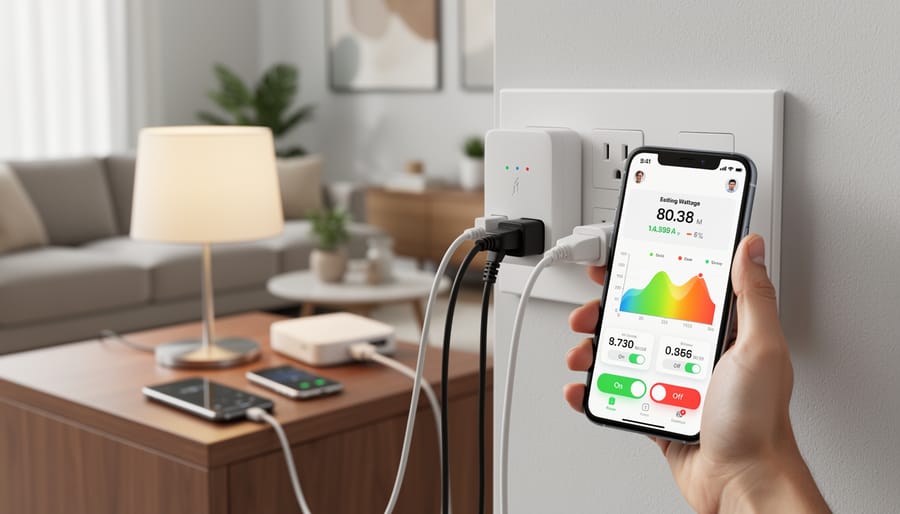
Traditional power strips simply distribute electricity to multiple devices, offering basic surge protection but no control over energy use. Smart outlets, on the other hand, give you active management of your plug loads through scheduling, remote control, and real-time monitoring.
Smart outlets shine when you need flexibility and data. They connect to your smartphone, allowing you to turn devices off remotely, set schedules for equipment like coffee makers or space heaters, and track energy consumption down to individual appliances. This visibility helps identify energy waste and optimize usage patterns. For BC businesses, smart outlets work particularly well in offices where computers and equipment can be automatically powered down after hours, or in retail spaces managing display lighting.
Traditional power strips remain practical for simple applications where you need multiple outlets in one location without automation. They’re cost-effective for basic setups and require no internet connection or setup.
A Vancouver coffee shop combined both approaches: smart outlets for refrigeration units and espresso machines to monitor their largest energy users, while using quality power strips for point-of-sale systems and lighting. This hybrid strategy reduced their monthly energy costs by 18% while keeping implementation simple and affordable.
Load Shaping: Moving Energy Use to Better Times
Load shaping helps you shift energy use to times when electricity is cleanest and most affordable. Instead of running appliances whenever convenient, smart load management moves consumption to off-peak hours or matches it with your solar system’s peak production.
For BC households with solar panels, this means programming your dishwasher to run at noon when the sun is strongest, rather than after dinner when you’re drawing from the grid. A family in Victoria recently saved $40 monthly by scheduling their pool pump and water heater to operate during their home’s solar peak between 11 AM and 3 PM.
Plug load controls make this simple. Set your coffee maker to grind beans at 6 AM using stored solar energy, or schedule washing machines for mid-afternoon when your panels generate surplus power. During BC Hydro’s off-peak periods (typically 9 PM to 7 AM), you can automatically run energy-intensive devices at lower rates.
This approach benefits everyone: you reduce costs, maximize your solar investment, and help balance the provincial grid during high-demand periods.
The Perfect Match: Plug Load Controls and Solar Energy
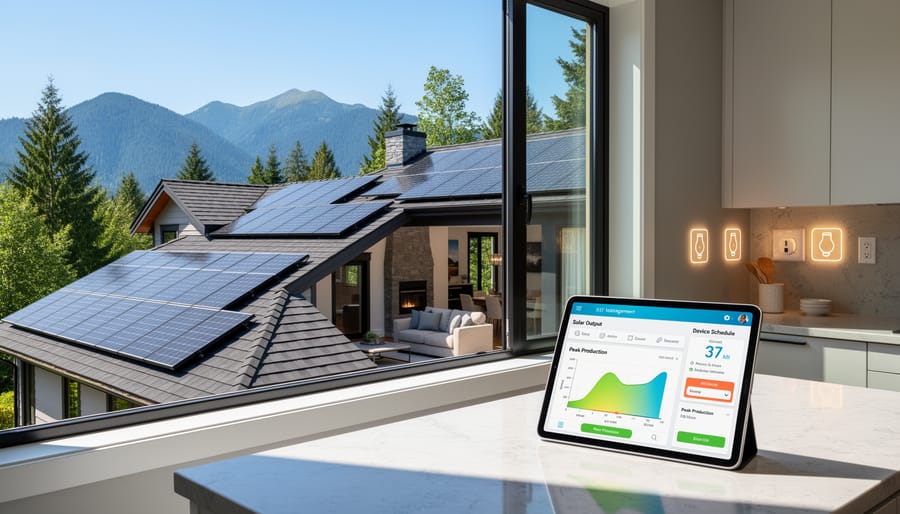
When you generate your own solar power, timing becomes everything. The sun delivers its strongest energy output between 10 a.m. and 2 p.m., but that’s often when homes use the least electricity. Plug load controls solve this mismatch by automatically shifting your device usage to align with peak solar production hours.
Think of it as choreographing your appliances to dance with the sun. Your smart plugs can delay running the dishwasher until noon, activate dehumidifiers during midday sunshine, or power up battery chargers for tools and devices when your panels are generating surplus energy. This simple coordination means you consume more of what you produce, reducing the amount of solar energy sent back to the grid at lower compensation rates.
For BC solar users with battery storage systems, plug load controls add another layer of optimization. These devices help ensure you’re not draining your batteries for non-essential loads during evening hours when you could have powered them with afternoon sunshine instead. Similar to how thermal storage systems capture and release heat strategically, smart plugs time your electricity consumption for maximum self-sufficiency.
The grid interaction benefits are equally compelling. When your smart controls reduce evening demand by shifting loads to solar-abundant hours, you minimize drawing power during BC Hydro’s peak rate periods. A Kelowna family recently shared how programming their pool pump and workshop equipment to run during solar production hours increased their energy independence from 42% to 68%, cutting their annual electricity costs by $890.
The beauty of this approach is its simplicity. You’re not adding complex equipment, just intelligent timing. Your solar panels work the same, but now your home responds to their rhythm rather than fighting against it.
Real Savings: A Vancouver Business Success Story
When Richmond-based Cascade Coffee Roasters installed their 45kW solar array in 2022, they were thrilled with their daytime energy production. However, manager Sarah Chen noticed something surprising: their evening electricity bills remained stubbornly high despite generating substantial solar power during business hours.
The culprit? Dozens of devices drawing phantom power after closing time, from point-of-sale systems to display refrigerators that didn’t need to run at full capacity overnight.
“We were producing clean energy all day, but literally throwing money away every night,” Sarah explains. Working with their solar installer, Cascade implemented plug load controls throughout their 3,200 square foot facility, focusing on their break room, office equipment, and non-essential lighting.
The results exceeded expectations. Within the first three months, Cascade reduced their evening electricity consumption by 38 percent, translating to an additional $145 monthly savings beyond their solar production benefits. Their simple payback period for the plug load control system was just 14 months.
The implementation wasn’t without challenges. Staff initially resisted changes to their routines, particularly around break room appliances. Sarah’s solution was involving the team early, explaining the environmental impact and showing real-time energy data on a lobby display.
“Once people saw the numbers and understood we weren’t sacrificing convenience, just eliminating waste, everyone got on board,” she notes.
The biggest lesson? Start with an energy audit to identify your highest consumers. Cascade discovered their two older chest freezers were responsible for nearly 20 percent of their after-hours consumption, prompting them to upgrade to Energy Star models before installing controls on remaining equipment.
Where to Start: Best Devices for Plug Load Control
Home Applications
In BC homes, plug load controls make a noticeable difference in daily energy consumption. Your entertainment center is an ideal starting point—smart power strips can shut down your TV, gaming console, and streaming devices completely when not in use, eliminating phantom loads that silently draw 5-10 watts per device around the clock. Products like the TrickleStar Advanced Power Strip automatically cut power to peripherals when you turn off the main device.
Home offices benefit tremendously from plug load controls. A programmable outlet timer can power down your printer, monitor, and desk lamp outside working hours. Kitchen appliances are another opportunity—coffee makers, microwaves, and toasters all consume standby power. Simple smart plugs allow you to control these devices remotely through your smartphone or set schedules that match your routine.
Phantom loads account for roughly 10% of residential electricity use in BC homes. By identifying which devices draw power constantly—phone chargers, cable boxes, and instant-on appliances—and using plug load controls strategically, families typically reduce monthly consumption by 100-200 kilowatt-hours. For homes with solar systems, this means more self-generated power covers your actual needs rather than feeding idle devices.
Business Applications
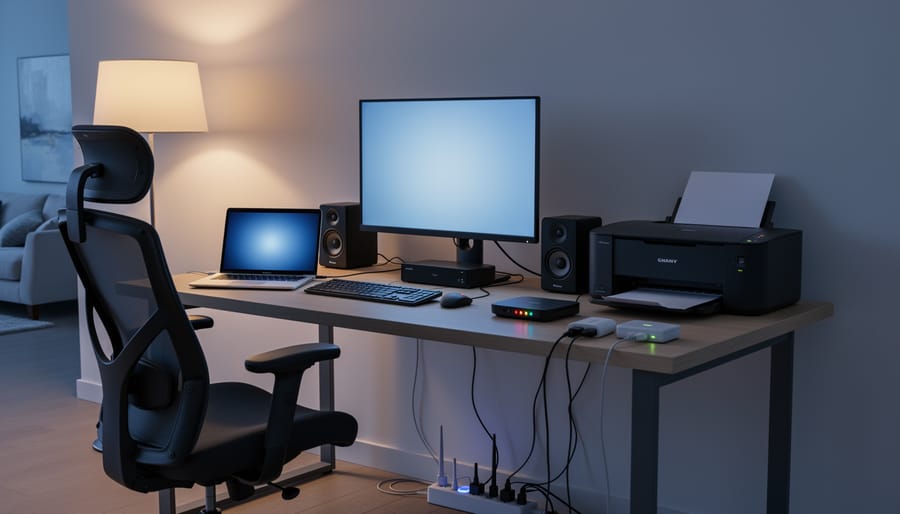
BC businesses can significantly reduce operating costs and environmental impact by implementing plug load controls across various applications. Office equipment like computers, printers, and monitors often consume power even when not in use—plug load controls automatically power down these devices during evenings and weekends, addressing the substantial energy waste that occurs after hours. In retail environments, display lighting and promotional screens can be scheduled to operate only during business hours, while still allowing essential systems to remain active.
HVAC support systems, including circulation fans and supplementary heating units, represent another major opportunity. Smart outlets can coordinate these loads with your primary climate control system, preventing redundant operation and optimizing energy use throughout the day. For businesses with solar installations, plug load controls work similarly to smart EV charging by shifting non-essential equipment usage to peak solar production hours.
A Vancouver accounting firm recently reduced their monthly electricity consumption by 18% simply by installing plug load controls on break room appliances, vending machines, and office equipment. The system paid for itself within eight months while demonstrating their commitment to sustainability—a value increasingly important to BC clients and employees alike.
Getting Started With Plug Load Management
Ready to take control of your energy consumption? Here’s your practical roadmap to implementing plug load controls in your BC home or business.
Start with a simple energy audit. Walk through your space and identify devices that consume power constantly—computers, printers, coffee makers, chargers, and entertainment systems. BC Hydro offers free online tools to help track your baseline consumption, or consider hiring a local energy advisor for a comprehensive assessment (typically $200-$400 for residential properties).
Next, prioritize your opportunities. Focus first on equipment that draws power 24/7 or during expensive peak-rate periods. Office spaces often see the biggest savings by targeting computers, monitors, and task lighting. Retail businesses benefit from controlling display lighting and point-of-sale equipment after hours.
Select appropriate technologies based on your needs. Smart power strips cost $30-$100 each and work perfectly for home offices or small businesses. Advanced occupancy sensors range from $50-$200 per room but deliver faster returns in commercial settings. For comprehensive control, consider integrated systems starting around $500-$1,500, which connect with automated demand response programs and solar installations.
Implementation takes just days. Install smart strips yourself in an afternoon, or hire an electrician for sensor-based systems (budget $500-$1,000 for professional installation). Most BC homes see 10-15% reductions in plug loads, translating to $100-$300 annual savings. Commercial spaces often achieve 20-30% reductions, with payback periods of 1-3 years.
Track your progress using your utility’s online portal or plug-level monitoring devices. Document your savings quarterly and adjust settings as needed. Many BC businesses qualify for utility rebates that reduce upfront costs by 25-50%, accelerating your return on investment significantly.
Combining plug load controls with solar energy systems creates a powerful partnership for British Columbia residents and businesses committed to sustainability. By managing the energy drawn by everyday devices, you maximize the value of every kilowatt-hour your solar panels generate, reducing grid dependence and lowering your carbon footprint simultaneously.
The environmental benefits are clear: less wasted energy means fewer greenhouse gas emissions, even as BC transitions toward cleaner electricity sources. When your solar system powers devices only when needed, you’re making the most efficient use of renewable energy. Economically, the advantages compound over time. Smart outlets typically pay for themselves within two years through reduced electricity bills, while extending the lifespan of your devices and batteries through intelligent charging cycles.
Starting today is simpler than you might think. Begin by identifying your biggest energy consumers using plug-in monitors or smart plugs with built-in tracking. Focus on devices left in standby mode, like entertainment systems, coffee makers, and phone chargers. Even small changes add up quickly across multiple outlets.
Solar BC offers interactive calculators that help you understand your potential savings when pairing solar panels with load management strategies. These tools factor in BC’s unique electricity rates and solar potential, giving you realistic projections tailored to your situation. Ready to take the next step? Connect with Solar BC’s network of certified installers who specialize in integrating smart outlet solutions with solar installations. They’ll assess your specific needs and design a system that maximizes both energy production and consumption efficiency, putting you firmly on the path toward energy independence.