
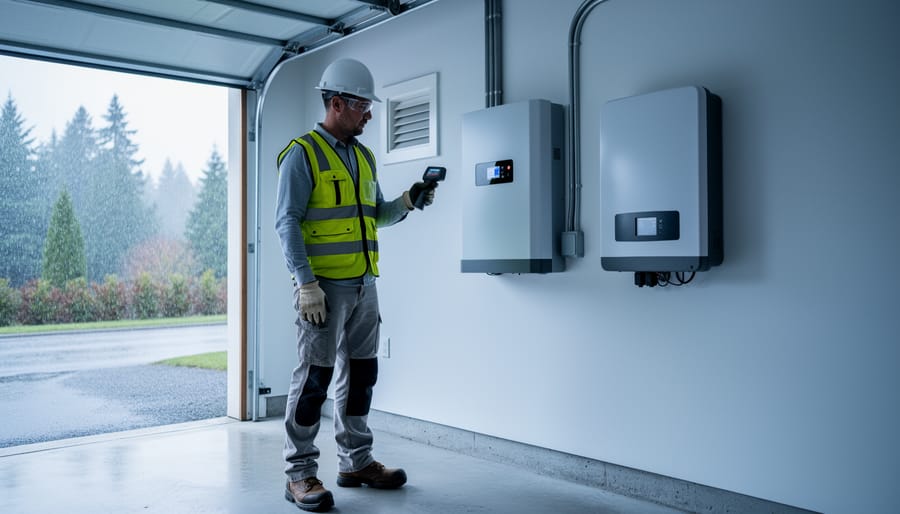
Battery storage systems have become remarkably safe through decades of engineering advancement, yet understanding how they protect against thermal runaway—the rare but serious overheating chain reaction—empowers you to make confident decisions about solar-plus-storage for your BC home or business.
Modern lithium-ion batteries incorporate multiple safety layers that work simultaneously: thermal sensors monitor temperature fluctuations every second, automatic shutdown mechanisms disconnect power when irregularities occur, flame-retardant casings contain any potential incidents, and sophisticated battery management systems balance cell charging to prevent stress points. These redundant protections mean certified residential systems experience thermal runaway at rates below 0.0001%, making them statistically safer than many household appliances.
Your role in maintaining safety starts with three essential actions. First, ensure your installer holds proper certifications and follows Canadian electrical codes—qualified professionals position batteries away from living spaces, maintain adequate ventilation, and install monitoring systems that alert you to any performance changes. Second, choose batteries with UL 9540A testing certification, which specifically evaluates thermal runaway propagation and validates that one cell failure won’t cascade through the entire system. Third, schedule annual inspections to verify connections remain secure, ventilation stays unobstructed, and software updates include the latest safety protocols.
BC’s climate actually favours battery safety, as moderate temperatures reduce thermal stress compared to extreme heat regions. Local success stories demonstrate this reliability—thousands of Vancouver Island and Lower Mainland homes operate battery systems without incident, providing backup power during outages while contributing to grid stability. Understanding these proven safety measures transforms battery storage from a perceived risk into a practical, protected investment in energy independence.
What Is Thermal Runaway and Why Should BC Solar Users Care?
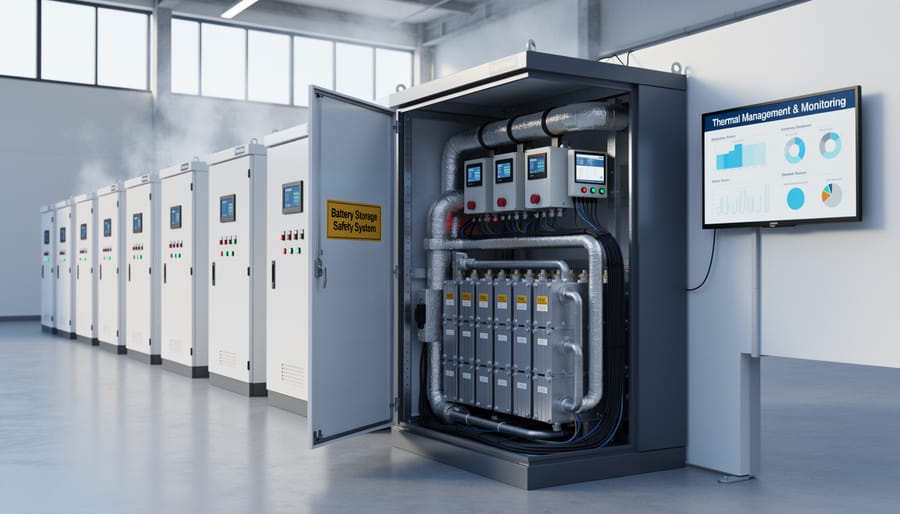
The Chain Reaction Inside Your Battery
Think of thermal runaway like a campfire that gets out of control. Inside your battery, tiny chemical reactions normally generate just enough heat to function properly, like a well-tended fire. But if something goes wrong—maybe a manufacturing defect, physical damage, or extreme temperature—one cell can overheat.
Here’s where the chain reaction starts: that overheated cell is like adding extra kindling to your campfire. It releases heat that warms up neighboring cells, which then overheat themselves. Each cell that overheats makes the problem bigger, faster, and harder to stop. The temperature can climb rapidly, sometimes reaching over 400°C.
In extreme cases, this runaway heating can cause the battery to release flammable gases or even catch fire. It’s similar to how a small kitchen grease fire can quickly spread if not contained properly.
The good news? Modern battery systems include multiple safety features designed to detect early warning signs—like smoke detectors in your home—and stop the reaction before it escalates. Understanding this process helps you appreciate why proper installation and maintenance matter so much for keeping your family and property safe.
Real-World Examples (What Can Go Wrong)
While battery storage incidents remain rare, understanding past events helps us recognize why safety standards matter. Globally, a few high-profile cases have occurred, typically in large-scale industrial installations where early-generation systems lacked today’s advanced safety features. In South Korea, several energy storage fires between 2017-2019 prompted comprehensive safety reviews that strengthened international standards. Australia experienced warehouse incidents involving improperly stored lithium batteries, leading to improved handling regulations.
In Canada, residential battery storage incidents are exceptionally uncommon. The few documented cases often involved non-certified products or improper installation, underscoring why professional installation matters. These events weren’t inevitable failures but preventable situations where safety protocols weren’t followed.
The key takeaway: modern, certified battery systems installed by qualified professionals have proven remarkably safe. British Columbia homeowners benefit from stringent provincial electrical codes and CSA certification requirements that apply lessons learned worldwide. When you choose certified equipment and experienced installers, you’re protected by multiple safety layers developed specifically to prevent thermal runaway and other risks. These real-world examples demonstrate that proper safety measures work effectively.
Warning Signs Your Battery System Needs Attention
Visual and Physical Indicators
Regular visual inspections are your first line of defense in maintaining battery storage safety. During your monthly checks, look closely at the battery casing for any signs of swelling or bulging, which can indicate internal pressure buildup and potential failure. Even slight expansion is worth noting and reporting to your installer.
Check for discoloration or unusual marks on the battery surface. While some minor cosmetic changes are normal over time, significant color shifts, dark spots, or scorching may signal overheating issues. Temperature is another critical indicator. While batteries naturally generate some warmth during charging and discharging, they should never feel hot to the touch. If your battery feels uncomfortably warm when idle, contact a qualified technician immediately.
Leaking is perhaps the most obvious warning sign. Any moisture, residue, or liquid around your battery requires immediate professional attention. Even small amounts shouldn’t be dismissed.
Many BC homeowners with solar-plus-storage systems incorporate these quick checks into their routine, spending just a few minutes each month to ensure everything looks normal. Creating a simple checklist can help you track observations over time and spot gradual changes that might otherwise go unnoticed. When in doubt, always consult your certified installer rather than investigating potential issues yourself.
Performance Red Flags
Your battery storage system will tell you when something’s wrong—you just need to know what to watch for. Sudden drops in storage capacity are often the first warning sign. If your system that normally stores 10 kWh suddenly holds only 7 kWh without explanation, investigate immediately. Pay attention to charging patterns too. Batteries that take significantly longer to charge, won’t reach full capacity, or discharge unusually quickly need professional assessment.
Error messages and warning lights shouldn’t be ignored, even if the system seems to work fine otherwise. These alerts exist for your safety. Similarly, if your monitoring app shows unusual temperature fluctuations or frequent system shutdowns, contact your installer right away. BC homeowner Michael Chen from Burnaby noticed his battery wasn’t holding charge during winter power outages. His installer discovered a failing cell that could have led to bigger problems if left unchecked. Regular monitoring through your system’s app makes catching these red flags easier, giving you peace of mind and protecting your investment.
When to Call Your Solar Installer Immediately
Contact your solar installer right away if you notice any of these warning signs with your battery storage system. A swollen or deformed battery cabinet indicates internal pressure buildup and requires immediate attention. Unusual odors, especially chemical or burning smells, should never be ignored. If you hear hissing, popping, or other strange sounds coming from the unit, disconnect it if safe to do so and call your installer. Visible smoke, excessive heat radiating from the battery, or any fluid leaking from the system are emergency situations. Error messages or warning lights that persist after resetting also warrant professional inspection. Don’t attempt DIY repairs on battery systems—even minor issues can escalate quickly without proper expertise. Your installer has specialized training and equipment to assess problems safely. Remember, BC’s certified solar professionals are your partners in maintaining a safe, efficient system for years to come.
Proven Safety Features That Protect Your Investment
Battery Management Systems (BMS): Your First Line of Defense
Think of your Battery Management System (BMS) as a vigilant guardian that never sleeps. This intelligent component continuously monitors three critical factors: temperature, voltage, and current flow within your battery system. When any parameter approaches unsafe levels, the BMS takes immediate action, either adjusting charging rates or shutting down the system entirely to prevent thermal runaway before it can begin.
Here’s how it works in practice: if your battery starts charging too quickly on a hot BC summer day, the BMS detects the rising temperature and automatically slows the charge rate. Similarly, if individual cells show voltage imbalances, the system redistributes the load to maintain equilibrium. Modern BMS technology also integrates with solar system monitoring platforms, allowing you to track battery health from your smartphone.
Quality systems from reputable manufacturers include multiple layers of protection: over-temperature cutoffs, over-current protection, and cell balancing functions. When choosing a battery storage system, always verify it includes a certified BMS—this single component represents your most effective defense against thermal incidents.
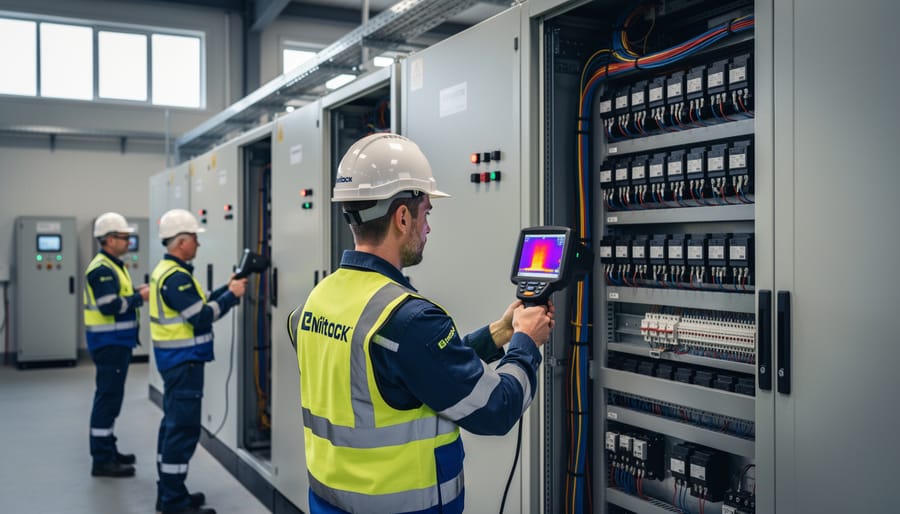
Thermal Management and Cooling Systems
Effective thermal management prevents battery overheating and extends system lifespan. Modern battery storage systems use three main cooling approaches: air cooling, liquid cooling, and passive thermal regulation. Air-cooled systems circulate ambient air around battery cells, making them cost-effective for residential installations. Liquid cooling systems pump coolant through channels near battery cells, offering superior temperature control for larger commercial systems. Passive systems rely on heat-dissipating materials and strategic ventilation without active components.
British Columbia’s climate creates unique considerations for battery installations. Coastal regions experience moderate temperatures year-round, making air cooling sufficient for most residential systems. However, interior BC locations with hot summers may benefit from liquid cooling or enhanced ventilation. Winter cold can also affect battery performance, though most modern systems include heating elements that activate when temperatures drop below optimal ranges.
A Vancouver Island homeowner shared how their installer positioned their battery system in a temperature-stable garage location, avoiding direct sunlight exposure. This simple placement decision, combined with the system’s built-in thermal sensors, has maintained optimal operating temperatures through multiple seasons. Regular monitoring of your battery’s temperature data through manufacturer apps helps identify potential cooling issues before they become safety concerns.
Fire Suppression and Containment Technologies
Today’s battery storage systems incorporate multiple layers of protection to prevent and contain fires. Fire-resistant enclosures made from steel or specialized materials create physical barriers that contain potential fires within the battery unit, preventing spread to your home or business. These cabinets are designed to withstand high temperatures while venting heat and gases safely away from occupied spaces.
Automatic fire suppression systems activate immediately when sensors detect abnormal temperatures or smoke. Many modern systems use clean agent suppressants or aerosol-based solutions specifically designed for lithium-ion battery fires, which differ from traditional electrical fires. These systems work without human intervention, providing 24/7 protection.
BC homeowners who’ve installed advanced battery systems report peace of mind knowing their investment includes these safeguards. When evaluating battery options, look for units with UL 9540A certification, which tests the complete system’s fire safety performance. Professional installers will also ensure proper ventilation and spacing around your battery, creating additional safety margins. These technologies transform battery storage from a concern into a reliable, secure component of your clean energy system.
How to Choose a Safe Battery Storage System for Your BC Home
Safety Certifications and Standards to Look For
When shopping for battery storage in BC, look for systems certified by recognized testing organizations. UL 9540 is the North American standard specifically designed for energy storage systems, confirming the battery has undergone rigorous safety testing including fire resistance and thermal management. CSA certification (Canadian Standards Association) ensures products meet Canadian safety requirements and perform reliably in our climate conditions.
For homeowners considering international brands, IEC 62619 certification indicates the battery meets global safety benchmarks for lithium-ion cells used in stationary applications. These aren’t just stamps on a box—they represent hundreds of hours of testing under extreme conditions, from overcharging scenarios to temperature stress tests.
Think of certifications as your first line of defense. A Vancouver Island family recently shared how their certified battery system’s built-in safety features prevented a potential issue during an unexpected power surge, automatically shutting down before any damage occurred. When comparing systems, ask your installer which certifications their recommended batteries carry. Reputable BC installers will only work with certified products and can explain what each certification means for your specific installation. Don’t hesitate to request documentation—legitimate manufacturers proudly display their safety credentials.
Battery Chemistry Matters: LFP vs. NMC Safety Profiles
Understanding battery chemistry helps you make informed safety choices for your home or business energy system. The two most common lithium battery types offer different safety profiles worth considering.
Lithium Iron Phosphate (LFP) batteries have earned a strong reputation for thermal stability. Their chemical structure resists overheating and is less prone to thermal runaway, making them a conservative choice for safety-conscious BC homeowners. They perform well in moderate climates and typically last longer, though they store slightly less energy per unit of weight.
Nickel Manganese Cobalt (NMC) batteries pack more energy into compact spaces, which appeals to those with limited installation areas. However, they require more sophisticated thermal management systems to maintain safe operating temperatures. Modern NMC systems from reputable manufacturers include multiple safety layers that effectively address these concerns.
Both chemistries are considered safe when properly installed and maintained by certified professionals. Many BC residents have successfully implemented either type. Your choice depends on your specific needs, available space, and budget. A qualified installer can assess which chemistry suits your situation while ensuring all necessary safety protocols are in place.
Questions to Ask Your Certified Installer
Before committing to a battery storage system, ask your installer these essential safety questions. What certifications do they hold, and are they familiar with BC’s specific building codes? Request details about the battery chemistry they recommend and why it suits your home’s conditions. Ask how they assess proper ventilation and temperature management during professional installation. Inquire about their experience with thermal monitoring systems and what maintenance schedule they suggest. Request references from local installations and ask about their emergency response protocols. Understanding their warranty coverage and ongoing support services helps ensure long-term peace of mind for your BC home.
Installation Best Practices That Prevent Problems

Location and Spacing Requirements
Where you install your battery storage system significantly impacts safety and compliance. BC’s building code requires battery systems to be located away from primary living spaces whenever possible, with dedicated utility rooms, garages, or exterior installations being preferred options. Your certified installer will assess your property to identify the safest location that meets all regulatory requirements.
Proper clearances are essential for safe operation and emergency access. Battery units need adequate space on all sides for ventilation and heat dissipation—typically at least 30 centimeters from walls and other equipment. This spacing prevents heat buildup and allows technicians to service the system safely. If you’re installing batteries in a garage, ensure they’re positioned away from vehicle traffic and protected from potential physical damage.
Many BC homeowners have successfully integrated battery storage by working with installers who understand local building codes and climate considerations. For example, coastal installations require additional moisture protection, while interior locations benefit from temperature stability. Your installer should provide a detailed site plan showing exact placement, clearances, and any necessary ventilation modifications to ensure your system operates safely for decades.
Ventilation and Temperature Control
Proper ventilation is essential for battery storage safety, especially given BC’s diverse climate conditions. Batteries generate heat during charging and discharging cycles, and without adequate air circulation, this heat can accumulate and create safety risks. Think of it like your laptop—it needs airflow to prevent overheating.
BC’s seasonal temperature swings, from cold coastal winters to hot interior summers, require careful planning. Batteries perform best between 15-25°C, and extreme temperatures can reduce efficiency and lifespan. If you’re in the Okanagan where summer temperatures soar, ensure your installation includes cooling strategies like shade positioning or ventilation fans. Coastal residents should protect systems from excessive moisture while maintaining airflow.
When planning your installation, work with certified professionals who understand local climate patterns. They’ll recommend appropriate locations—typically garages, basements, or dedicated outdoor enclosures with proper ventilation systems. Avoid sealed, unventilated spaces entirely. Regular maintenance checks should include verifying that vents remain unobstructed and temperature sensors function correctly, ensuring your battery system operates safely year-round regardless of BC’s weather conditions.
The Value of Professional Installation
DIY battery installation poses serious risks, from improper electrical connections to inadequate ventilation that could lead to thermal runaway. BC’s electrical codes require specific safety measures that untrained installers often miss. Working with certified solar installers ensures your system meets provincial safety standards, includes proper fire suppression measures, and qualifies for warranties and insurance coverage. Professional installers assess your home’s unique conditions, position batteries in optimal locations, and connect monitoring systems that alert you to potential issues. While DIY might seem cost-effective, professional installation protects your investment and your family’s safety.
Maintaining Your Battery System Safely Over Time
Regular Inspection Checklist
Taking a proactive approach to battery maintenance helps ensure long-term safety and performance. Set aside time each month for a quick visual inspection of your battery system. Look for any unusual signs like swelling, corrosion around terminals, or moisture accumulation. Check that ventilation areas remain clear and unobstructed. Listen for any unusual sounds like hissing or clicking that weren’t present before.
Every three months, verify that monitoring displays show normal operating temperatures, typically between 15-25°C for most systems. Ensure the battery area remains clean and dust-free, as debris can interfere with cooling systems. Photograph your battery unit quarterly to track any gradual changes that might go unnoticed day-to-day.
If you notice anything concerning during these checks, contact your certified installer immediately rather than attempting repairs yourself. Many BC homeowners find it helpful to schedule these inspections with seasonal activities, making them a regular habit. Your installer can provide a customized checklist specific to your system model during the initial setup, ensuring you know exactly what to monitor for optimal safety.
Professional Maintenance Schedule
Schedule professional inspections annually at minimum, or twice yearly for commercial installations and high-use systems. These check-ups should include thermal imaging to detect hot spots, voltage testing across all cells, physical examination for signs of swelling or corrosion, and verification that ventilation systems function properly. Your certified technician will also review monitoring data for unusual patterns and update firmware if needed. Many BC installers offer maintenance packages that align with manufacturer warranty requirements, ensuring your system stays safe and performs optimally. Keep detailed records of all inspections, as some insurance providers offer reduced premiums for well-maintained systems with documented service history.
Software Updates and System Monitoring
Regular firmware updates are essential for maintaining your battery storage system’s safety features. Manufacturers release updates to improve performance, address potential vulnerabilities, and enhance thermal management protocols. Think of these updates like safety recalls for your vehicle—they’re designed to keep you protected.
Modern system monitoring technology allows installers and homeowners to track battery health in real-time, detecting early warning signs like unusual temperature patterns or voltage irregularities. Many BC homeowners appreciate receiving alerts directly to their phones, enabling quick response to any concerns. Ask your installer about automatic update features and what monitoring dashboard access you’ll receive, ensuring your system stays current with the latest safety enhancements.
What BC Homeowners Should Do in an Emergency
While battery storage incidents are rare, knowing how to respond quickly can make all the difference. Here’s what BC homeowners should do if they notice warning signs or experience a battery emergency.
If you detect unusual smells, see smoke, hear hissing sounds, or notice your battery system is unusually hot or swollen, take immediate action. First, evacuate everyone from the area and ensure all family members and pets are safely outside. Do not attempt to fight a battery fire yourself, as these fires require specialized suppression methods.
Call 911 immediately and inform the dispatcher that you have a lithium-ion battery energy storage system. This information helps emergency responders prepare appropriate equipment. If it’s safe to do so without entering the danger area, shut off power to the battery system at your main electrical panel.
Once everyone is safe and emergency services are contacted, reach out to your battery system installer or manufacturer. They can provide specific guidance for your system model and may need to dispatch a technician once the immediate danger has passed.
Keep your system’s documentation, including installation records and emergency contacts, in an easily accessible location away from the battery area. Consider storing digital copies on your phone or in cloud storage.
For non-emergency concerns like error messages or unusual behavior, contact your installer during business hours. Many BC solar companies offer monitoring services that can detect issues before they become serious. Regular communication with your installer helps maintain system safety and gives you peace of mind knowing expert support is just a call away.
Local Success Story: Safe Battery Storage in Action
When the Morrison family in Kelowna decided to add battery storage to their existing solar system in 2022, safety was their top priority. With two young children at home, Jennifer Morrison wanted assurance that their investment would be both effective and secure.
“We did our homework,” Jennifer explains. “We spoke with three different installers and asked specifically about safety certifications and installation standards.” The family ultimately chose a lithium iron phosphate battery system with built-in thermal monitoring, installed by a certified professional who walked them through every safety feature.
Their installer placed the battery unit in their garage with proper clearance from walls and combustibles, ensuring adequate ventilation. The system includes automatic shutdown features and connects to a monitoring app that alerts the family to any unusual temperature changes or performance issues.
Two years later, the Morrisons couldn’t be happier. “Honestly, we don’t think about it day-to-day, which is exactly what you want,” Jennifer says. “It just works quietly in the background. The peace of mind comes from knowing it was installed correctly from the start.”
The family has experienced no safety issues and enjoys the practical benefits of backup power during outages and reduced electricity bills. Their experience demonstrates that when you work with qualified installers and choose quality equipment with proper safety certifications, battery storage becomes a reliable, worry-free part of daily life.
Battery storage is a safe, reliable technology when you follow proper installation and maintenance guidelines. The key is working with qualified professionals who understand BC’s unique climate conditions and building codes. By choosing certified installers, selecting systems with built-in safety features, and staying informed about your equipment, you’re making a responsible investment in clean energy.
Ready to take the next step? Connect with certified installers through Solar BC’s network who have experience with battery storage systems across British Columbia. Many offer free consultations to assess your home’s energy needs and recommend appropriate safety features for your situation. You can also explore energy storage assessment tools that help determine the right system size and configuration for your property.
Remember, every battery storage system installed in BC contributes to a more resilient, sustainable energy future for our communities. From reducing strain on the grid during peak demand to storing renewable energy for use when you need it most, you’re part of a growing movement toward energy independence. With proper precautions and professional guidance, you can enjoy the benefits of battery storage with confidence and peace of mind.