
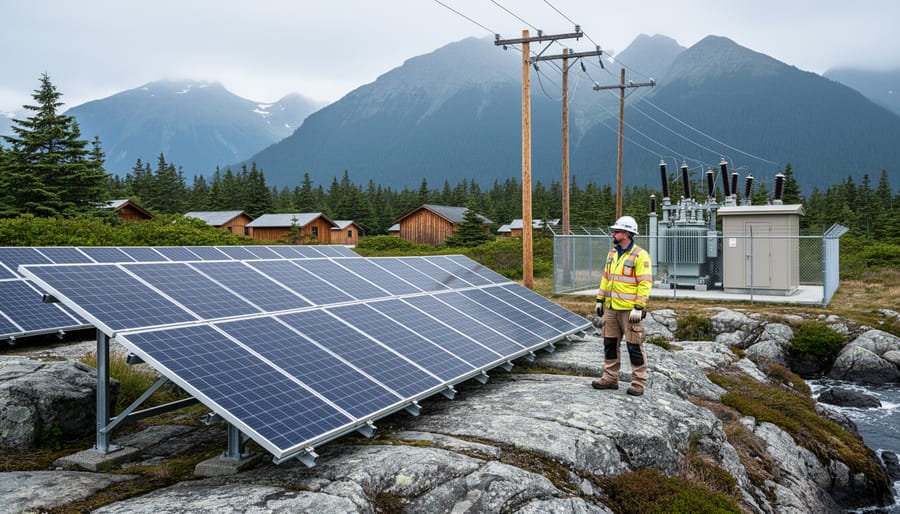
You’ve designed your solar system, secured financing, and you’re ready to generate clean energy—but there’s one more hurdle standing between you and flipping the switch: the interconnection queue. This waiting list to connect your solar system to BC’s electrical grid has become an unexpected obstacle for many residents and businesses across the province, particularly in remote communities where grid infrastructure wasn’t designed for distributed generation.
Interconnection queues exist because utility companies must review each solar installation to ensure grid safety and stability. When you apply to connect your system, BC Hydro or FortisBC examines how your panels will interact with existing infrastructure, checking for potential issues like voltage fluctuations or transformer capacity. In urban areas with robust grids, this process typically takes weeks. In rural regions with aging infrastructure, you might wait months or longer as utilities work through backlogs created by surging solar adoption.
The good news? Understanding how interconnection queues work gives you power to navigate them effectively. While you can’t eliminate wait times entirely, you can take strategic actions to minimize delays, prepare your site during the waiting period, and ensure your application moves smoothly through the review process. Communities across BC have successfully navigated these queues, and their experiences offer valuable lessons for accelerating your solar journey.
This guide explains exactly what you’re facing, sets realistic expectations for your timeline, and provides practical steps to move forward confidently despite interconnection delays.
What Are Interconnection Queues in BC’s Non-Integrated Areas?
Understanding BC’s Non-Integrated Areas
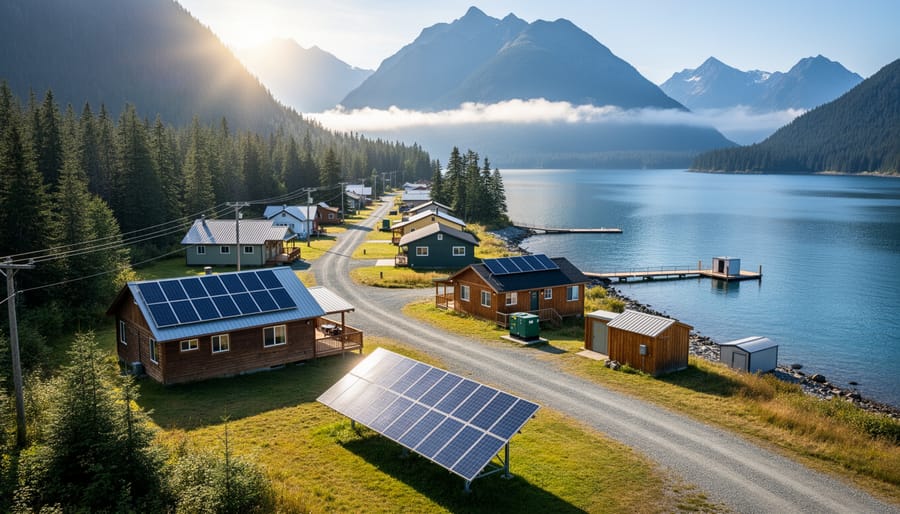
British Columbia’s non-integrated areas include over 25 remote and Indigenous communities that aren’t connected to the main provincial electricity grid. These communities span from Haida Gwaii to the Peace River region, including places like Bella Bella, Dease Lake, and Atlin. Rather than drawing power from BC Hydro’s large hydroelectric dams, they rely on local diesel generators for electricity.
This creates a unique energy landscape. Diesel fuel must be transported by boat, plane, or truck, making electricity costs significantly higher than in grid-connected areas. Many residents pay two to three times more for power, while diesel generation produces greenhouse gas emissions that communities are actively working to reduce.
The good news? These communities often have more flexibility when it comes to renewable energy projects. Since they’re managing their own independent power systems, interconnection processes can be more straightforward than dealing with large utility queues. Local energy authorities can often make faster decisions about adding solar installations to their microgrids.
Communities like Old Massett and Hartley Bay have already demonstrated that remote doesn’t mean powerless. They’re leading the way in combining solar power with battery storage and existing diesel systems, creating hybrid solutions that reduce fuel costs and emissions while maintaining reliable electricity service year-round.
The Connection Process Explained
Getting your solar system connected in BC’s remote areas follows a clear path, though it requires patience. Here’s how the process works:
First, you’ll submit an interconnection application to your local utility provider—either BC Hydro or your regional distribution company. This application includes technical details about your proposed solar system, such as size, location, and equipment specifications.
Once submitted, your application enters the interconnection queue. Think of this as a waiting list where projects are reviewed in the order they’re received. Your position in the queue determines when engineers will evaluate your specific site and system design.
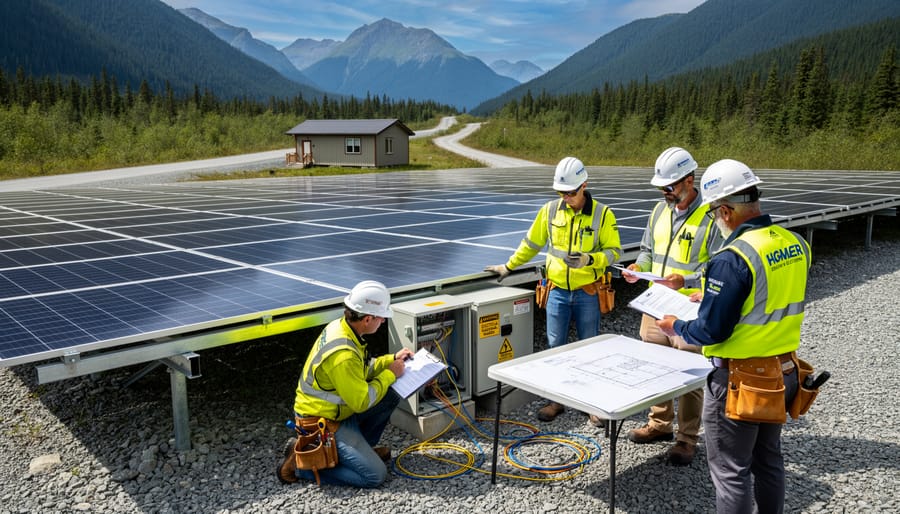
The utility then conducts a technical review to ensure your solar installation won’t negatively impact the local grid. In remote areas with limited infrastructure, this assessment can take several months as engineers examine capacity constraints and necessary upgrades.
If grid improvements are needed—such as transformer upgrades or line reinforcements—you’ll receive a cost estimate. These costs vary significantly depending on your location and existing infrastructure.
Throughout this process, BC Hydro or your local utility manages the queue and communicates timelines. Many BC communities have successfully navigated this process, with businesses like the Revelstoke Community Energy Corporation leading the way by working closely with utilities from day one.
Understanding these steps helps you plan realistically and prepare the necessary documentation early, keeping your project moving forward efficiently.
Why the Queue Exists (And Why It’s Growing)
The Solar Boom in Remote BC
Remote communities across British Columbia are experiencing a remarkable surge in solar adoption. From the Kootenays to the Cariboo, homeowners and businesses are turning to solar energy as a practical solution for reliable, sustainable power.
This growing interest stems from three key drivers. First, environmental awareness continues to rise, with British Columbians seeking ways to reduce their carbon footprint and protect the natural landscapes they call home. Second, energy independence has become increasingly important, especially for those who’ve experienced power outages or want greater control over their energy costs. Third, the economics simply make sense. With provincial incentives, federal rebates, and decreasing equipment costs, solar installations often pay for themselves within 10-15 years while adding property value.
Take the example of a family-run lodge in Wells, BC, which installed a 20kW solar system in 2022. They now generate 60% of their annual electricity needs, saving thousands in operating costs while appealing to eco-conscious guests. Similar success stories are emerging throughout non-integrated areas, where residents are discovering that solar isn’t just environmentally responsible but financially smart. This momentum is creating vibrant local solar communities where neighbours share experiences and inspire others to explore renewable energy options.
How Long Will You Actually Wait?
If you’re planning a solar installation in BC’s non-integrated areas, understanding realistic wait times can help you plan effectively. The good news? Queue times vary significantly based on several key factors, and some projects move faster than you might expect.
Current data shows that interconnection timelines in BC’s remote areas typically range from 3 to 18 months, though this varies considerably. Small residential systems under 10 kW generally experience shorter waits, often clearing the queue in 3 to 6 months. Larger commercial installations or systems in areas with limited grid capacity can face longer timelines, sometimes extending beyond a year.
Several factors influence where your project falls within this range. System size matters significantly—smaller residential installations typically receive faster processing than large commercial arrays. Your geographic location plays a crucial role too, as utilities in areas with newer infrastructure or fewer pending applications can move projects through more quickly. The utility’s current capacity and staffing levels also directly impact processing speed.
Recent trends offer encouraging news. Many BC utilities serving non-integrated areas have been streamlining their interconnection processes, investing in additional staff, and implementing digital tracking systems that improve transparency and efficiency.
To get the most accurate timeline for your specific situation, take these practical steps. Contact your local utility directly and ask about their current average processing times for systems similar to yours in size and type. Request information about their queue backlog and whether they offer expedited review for smaller systems. Many utilities now provide online portals where you can track your application status in real-time.
When speaking with utility representatives, ask specifically about seasonal variations in processing times and whether submitting during certain months might result in faster review. This proactive approach helps you set realistic expectations and plan your solar investment timeline accordingly.
What Happens While You’re in the Queue
Smart Moves You Can Make Now
Waiting in an interconnection queue doesn’t mean putting your solar plans on hold. This is actually the perfect time to get everything ready so you can move quickly once approval comes through.
Start by finalizing your system design with a certified solar installer. They can help you determine the optimal panel placement, calculate your expected energy production, and ensure your system meets all provincial requirements. Having these details locked down means no delays when it’s time to begin installation.
Next, secure your financing. Whether you’re exploring loans, leasing options, or paying upfront, sorting out the financial side now removes a major hurdle later. Many BC credit unions offer green energy financing with favorable terms for solar projects.
Use this time to prepare your property too. Clear the installation area, trim any trees that might cast shadows on your roof, and make sure your electrical panel can handle the new system. Some homes need panel upgrades, which your installer can identify early.
The Bella Coola Valley experienced queue delays in 2023, but residents who prepared in advance were able to install their systems within days of receiving approval. Working with experienced local installers familiar with BC Hydro’s requirements made all the difference. Stay proactive, stay patient, and you’ll be generating clean energy before you know it.
Net Metering in Non-Integrated Areas: What You Need to Know
In BC’s non-integrated areas—remote and off-grid communities not connected to the main provincial electricity grid—net metering operates differently than in grid-connected regions. Understanding these differences is essential if you’re considering solar in these locations.
Non-integrated areas in BC are served by diesel generators or small independent power systems managed by BC Hydro. When you install solar panels in these communities, you’re essentially creating a mini power-sharing arrangement with your local utility system. Your solar panels generate electricity during sunny hours, and any excess power flows back into the community’s micro-grid, earning you credits against your future electricity consumption.
The credit structure typically works on a kilowatt-hour basis. When your system produces more than you use, those extra kilowatt-hours become credits on your account. During periods when your panels aren’t producing enough—nighttime or cloudy days—you draw from the local grid and use your accumulated credits before paying for additional power.
The key difference from BC Hydro’s standard net metering program is scale and administration. Non-integrated systems are smaller and more localized, meaning your solar contribution has a more immediate impact on your community’s energy mix. In fact, communities like Bella Bella have seen success with solar installations that reduce diesel consumption and lower overall energy costs for everyone.
Benefits include reduced electricity bills, decreased community reliance on diesel fuel, and contributing to cleaner air quality in your area. Because diesel generation is expensive, solar power in non-integrated areas often provides even greater cost savings than grid-connected systems, making the investment particularly attractive despite interconnection considerations.
Real Stories from BC Communities
When Janet Richardson decided to install solar panels on her pottery studio in the Cowichan Valley, she expected a straightforward process. Instead, she found herself navigating a six-month interconnection queue with BC Hydro. “The waiting was frustrating at first,” Janet admits, “but I used that time productively. I researched battery storage options, connected with other solar users in my area, and made sure my electrical panel was ready for the upgrade.”
Janet’s advice for others? “Start your application early, and don’t just sit idle. The queue time is actually a gift to get all your ducks in a row.” Her 8.5 kW system now powers her studio year-round, and she’s seen her electricity bills drop by 75 percent.
Over in the Kootenays, Mark and Sophie Chen faced an eight-month wait for their off-grid resort expansion. Rather than viewing it as a setback, they partnered with their installer to refine their system design. “Our installer used the queue time to conduct additional site assessments and optimize our panel placement,” Mark explains. “When approval finally came, installation took just three days because everything was perfectly planned.”
The Chens recommend building a relationship with your utility company early. “Make that first call, ask questions, and keep records of every interaction. The process felt less mysterious once we understood each step.”
These stories highlight an important truth: while interconnection queues require patience, they don’t have to halt your solar journey. Use the waiting period to educate yourself, prepare your property, and connect with the growing community of BC solar users who’ve successfully navigated the same path. Your solar future is coming—sometimes preparation time makes the final result even better.
Your Action Plan: Getting in Queue and Moving Forward
Ready to join the interconnection queue and start your solar journey? Here’s your step-by-step action plan to navigate the process smoothly in non-integrated areas of BC:
1. Identify your utility provider. Contact your local electric utility to confirm they serve your area and inquire about their specific interconnection process. In non-integrated areas, this might be FortisBC, BC Hydro (for some communities), or a municipal utility. Ask for their interconnection application package and current queue timelines.
2. Request a preliminary assessment. Before investing in equipment, ask your utility for a preliminary review of your property’s connection feasibility. This can identify potential technical challenges early and save you time and money down the road.
3. Choose a qualified solar installer. Look for installers with proven experience in your region who understand local utility requirements. Ask for references from previous clients in similar situations and verify they’re familiar with the specific paperwork your utility requires.
4. Gather necessary documentation. Typical requirements include property surveys, electrical system details, and site plans. Your installer should help compile these materials, but being proactive speeds up the process considerably.
5. Submit your complete application. Incomplete applications create delays, so double-check everything before submission. Keep copies of all documents and note your application date for future reference.
6. Maintain regular communication. Check in with your utility monthly for status updates. Being politely persistent keeps your project on their radar without being pushy.
7. Understand your responsibilities. You’ll need to maintain adequate liability insurance, allow utility access for inspections, and ensure your system meets safety standards throughout its operation.
Remember, persistence pays off. Many BC residents in remote areas have successfully navigated these queues and now enjoy clean, renewable energy powering their homes and businesses.
Yes, interconnection queues can add time to your solar project timeline, but they shouldn’t stop you from moving forward. The key is understanding what to expect and working with experienced professionals who know how to navigate the process efficiently. Many BC homeowners and businesses have successfully connected their solar systems despite queue delays, and you can too.
The environmental and economic benefits of solar energy compound over time, which means every month you wait is a missed opportunity for savings and reducing your carbon footprint. Even if you’re facing a six to twelve-month interconnection timeline, starting now means you’ll be generating clean energy sooner rather than later.
Take action today by connecting with Solar BC’s network of certified installers who understand the local interconnection landscape. They can assess your property, provide realistic timelines specific to your utility provider, and help you prepare a complete application that moves through the queue as quickly as possible. These professionals have guided countless British Columbians through this exact process and know how to avoid common delays.
Don’t let uncertainty hold you back. Your solar journey starts with a simple conversation, and the long-term rewards for your wallet and our planet are well worth the initial planning phase.