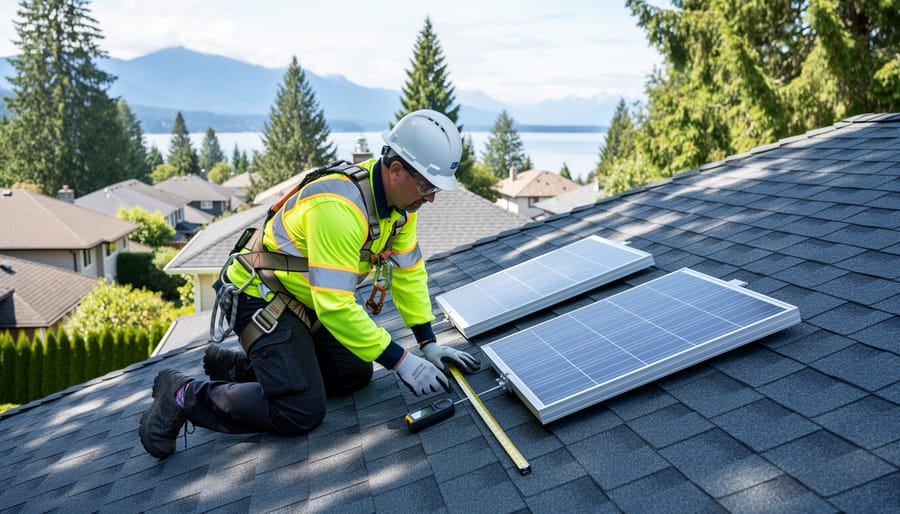
Certified solar installer wearing safety gear mounts photovoltaic panels on a modern BC home roof in bright overcast light, with evergreen trees and distant snow-capped mountains in the background, conveying safe, code-compliant installation.

How BC’s Building Code Actually Makes Solar Installation Easier (Not Harder)

Understand that BC’s building codes exist to protect your investment, not prevent it. The Uniform Building and Accessibility Standards Act governs solar installations across the province, ensuring your system withstands snow loads, wind, seismic activity, and fire hazards specific to British Columbia’s climate zones. Rather than viewing these requirements as obstacles, recognize them as quality standards that safeguard your home’s structural integrity and your family’s safety for the 25-plus years your solar panels will generate clean energy.

Work with certified solar installers who handle permit applications as part of their service. Professional installers already know your municipality’s specific requirements, structural engineering calculations, and electrical code compliance measures. They submit complete applications the first time, avoiding the common solar project delays that frustrate homeowners attempting DIY permitting. Most BC municipalities process properly submitted solar permits within two to six weeks.

Request a structural assessment during your initial consultation. Your installer will evaluate roof age, rafter spacing, and load-bearing capacity to determine if reinforcement is necessary. In most cases, modern BC homes built after 1990 easily accommodate solar arrays without modifications. Older homes may need minor upgrades, but these improvements increase your property value while ensuring code compliance.

Building codes standardize safety across the province, meaning your solar installation meets the same rigorous standards whether you live in Vancouver, Kelowna, or Prince George. This consistency protects your insurance coverage and maintains your home’s resale value, transforming regulatory requirements into long-term financial advantages.

What the BC Building Code Actually Says About Solar Installations

Structural Requirements: Making Sure Your Roof Can Handle It

Before solar panels go on your roof, the BC Building Code requires confirmation that your structure can safely handle the additional weight. This isn’t bureaucratic red tape—it’s a crucial safety measure that protects your home and family.

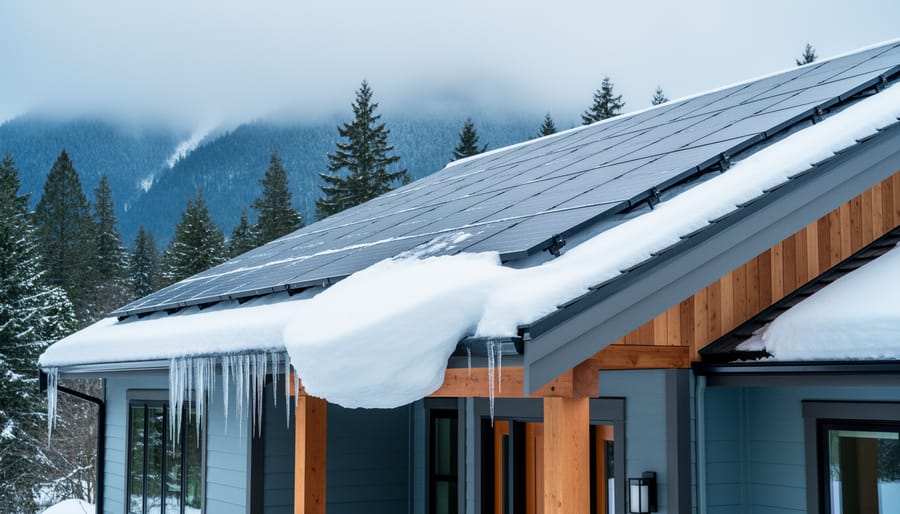
Solar panels typically add 2.5 to 4 pounds per square foot to your roof’s load. While that might not sound like much, the code accounts for accumulated snow, wind forces, and the long-term integrity of your roof over the panels’ 25-30 year lifespan. Think of it like ensuring your deck can handle not just your summer barbecue guests, but also unexpected snow loads in winter.

Most residential roofs built in the last 20 years can accommodate solar panels without modifications. However, older homes, flat roofs, or structures with previous repairs may need a professional structural assessment. A qualified solar installer will evaluate your roof’s age, material, and current condition during the initial site visit.

When is a formal engineering assessment required? Generally, if your home was built before 1990, has unusual roof geometry, or shows signs of sagging or water damage, your installer will recommend bringing in a structural engineer. This assessment typically costs between $500 and $1,500—a small investment compared to potential roof damage.

The Johnsons in Kelowna discovered their 1970s home needed minor reinforcement before installation. The added cost was $2,000, but their peace of mind knowing their solar system was safely installed? Priceless. Their installer worked directly with a local engineer to ensure everything met code requirements seamlessly.

Solar panels professionally mounted on residential roof showing structural mounting hardware
Properly installed solar panels with code-compliant mounting systems ensure structural integrity and long-term performance on BC homes.

Electrical and Fire Safety Standards

Solar installations in British Columbia must meet electrical and fire safety standards that protect both your home and the first responders who might need to access your roof. The good news? These requirements are straightforward when you work with qualified installers.

The BC Building Code incorporates CSA (Canadian Standards Association) standards for all solar equipment. Think of CSA certification as your assurance that panels, inverters, and mounting systems have been rigorously tested for Canadian weather conditions. Your installer will ensure all electrical components meet these standards, from the panels on your roof to the connection point with BC Hydro’s grid.

Fire safety requirements focus on access and clearances. The code requires specific setbacks—essentially clear pathways—around solar panels so firefighters can safely navigate your roof during emergencies. Typically, this means leaving a three-foot perimeter around roof edges and creating pathways to important roof features like vents and skylights.

Why does this matter? When firefighters respond to a house fire, they need safe spaces to stand, cut ventilation holes, and position equipment. These clearances aren’t obstacles to your solar project; they’re thoughtful design elements that make your home safer.

A Vancouver homeowner recently shared that their installer mapped out panel placement to maximize both energy production and fire access, actually improving the overall roof layout. The result was a system that generates clean energy while meeting all safety requirements without compromise.

Working with certified solar professionals means these standards are built into your system design from day one, giving you peace of mind alongside energy savings.

Electrician installing code-compliant solar panel electrical connections on residential building
Certified solar installers ensure all electrical connections meet BC Building Code safety standards and CSA requirements.

How Municipal Bylaws Work Alongside the BC Building Code

When Your Municipality Has Extra Requirements

While the BC Building Code provides the province-wide foundation, your local municipality often adds specific requirements that reflect community character and priorities. Understanding these variations helps you plan your solar project more effectively.

In Victoria’s heritage conservation areas, for instance, homeowners work with planners to ensure solar panels complement historic architecture. This might mean installing panels on less-visible roof sections or choosing low-profile mounting systems. The City of Vancouver has specific guidelines for green building features in certain neighborhoods, which actually streamline solar approvals when you meet their sustainability targets.

Setback requirements vary significantly across BC municipalities. While one community might require panels to sit 30 centimeters from roof edges, another allows flush installations. Richmond has detailed aesthetic guidelines for residential solar, focusing on panel placement and visibility from streets. These aren’t obstacles but rather community-specific considerations that protect property values and neighborhood character.

The District of Saanich offers an excellent example of supportive municipal variations. Their expedited permit process for residential solar recognizes that standardized installations meeting pre-approved criteria can move through approvals quickly. Similarly, the City of Kelowna provides clear documentation showing exactly what they need beyond provincial requirements.

Working with experienced local solar installers means they already know your municipality’s specific requirements and can navigate municipal requirements efficiently. They’ve likely completed dozens of projects in your area and have established relationships with local building departments. This local knowledge transforms potential complications into straightforward planning steps, ensuring your solar project meets both provincial codes and community standards.

What Your Solar Installer Should Handle for You

The Permitting Process Made Simple

Navigating the permitting process for your solar installation doesn’t need to be overwhelming. Most BC municipalities follow a straightforward workflow that ensures your system meets safety and performance standards while protecting your investment.

The typical journey begins with a building permit application submitted by your solar installer on your behalf. This package includes detailed engineering drawings showing panel placement, structural calculations confirming your roof can support the system, and electrical plans demonstrating how your solar array connects to the grid. Your installer will also provide equipment specifications and proof that all components meet Canadian Standards Association certification requirements.

Once submitted, the permitting timeline varies by municipality. Smaller communities often process applications within two to three weeks, while larger cities like Vancouver or Surrey may take four to six weeks during busy periods. Some municipalities now offer expedited review for straightforward residential installations.

After permit approval, your installer schedules the installation. Following completion, a municipal building inspector visits your property to verify that everything was built according to the approved plans. They check structural connections, electrical wiring, and safety disconnects. BC Hydro or your local utility also conducts an inspection before connecting your system to the grid.

Here’s the reassuring part: reputable solar installers manage this entire workflow for you. They’ve navigated these processes hundreds of times and maintain relationships with local permit offices. Companies like Shift Energy Group in Victoria and Empower Energy in Kelowna have streamlined systems that handle documentation, coordinate inspections, and communicate with authorities throughout the process. Your main responsibility is simply reviewing and signing application forms. The typical homeowner invests minimal time while their installer handles the administrative details, making code compliance nearly invisible to you.

Solar installer reviewing permits and plans with homeowners during residential solar consultation
Working with qualified solar installers means permitting and code compliance paperwork is handled professionally on your behalf.

Real BC Homeowners Share Their Code Compliance Experience

When the Chen family in Vancouver decided to add solar panels to their 1980s-era home in East Vancouver, they worried the building code requirements would derail their project. Working with their solar installer, they discovered the process was straightforward. Their main code compliance steps involved ensuring proper structural support for the roof-mounted panels and meeting electrical safety standards. The city inspector actually pointed out that their aging electrical panel needed an upgrade anyway, something they’d been putting off. “The building code requirements didn’t add barriers,” says Michael Chen. “They helped us identify safety issues we should have addressed years ago. Now we have solar power and a safer home overall.”

In suburban Langley, the Rodriguez family’s experience showed how building codes protect long-term investments. Their ranch-style home required a structural assessment to verify the roof could handle the additional weight of solar panels. The assessment revealed their roof would need minor reinforcement in one section. While this added a week to the timeline and some cost, the family appreciated the thoroughness. “We’re planning to live here for decades,” explains Sarah Rodriguez. “Knowing our solar installation meets all structural requirements gives us complete peace of mind. The inspector was helpful and explained everything clearly.”

Rural compliance can be even simpler, as the Thompson family discovered at their property near Kamloops. With more space available, they opted for a ground-mounted solar array, which simplified several code requirements. Their main considerations involved setback distances from property lines and ensuring proper grounding for lightning protection, both straightforward requirements in their area. “Our solar company handled all the permitting and code compliance paperwork,” notes James Thompson. “The regional district inspector came out, verified everything met standards, and approved it the same day. Living outside major urban centers didn’t complicate anything.”

These experiences share common lessons: working with qualified solar installers who understand local building codes makes compliance manageable, inspectors are there to help rather than hinder, and code requirements ultimately protect your investment and safety. Each family found the process less intimidating than expected and appreciated how building codes ensured their solar systems were installed correctly from the start.

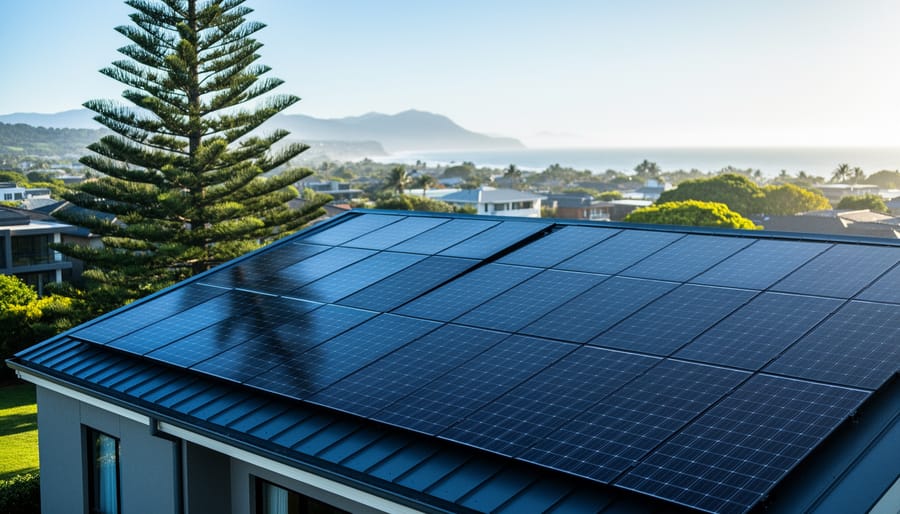
Completed residential solar panel installation on BC suburban home with mountain backdrop
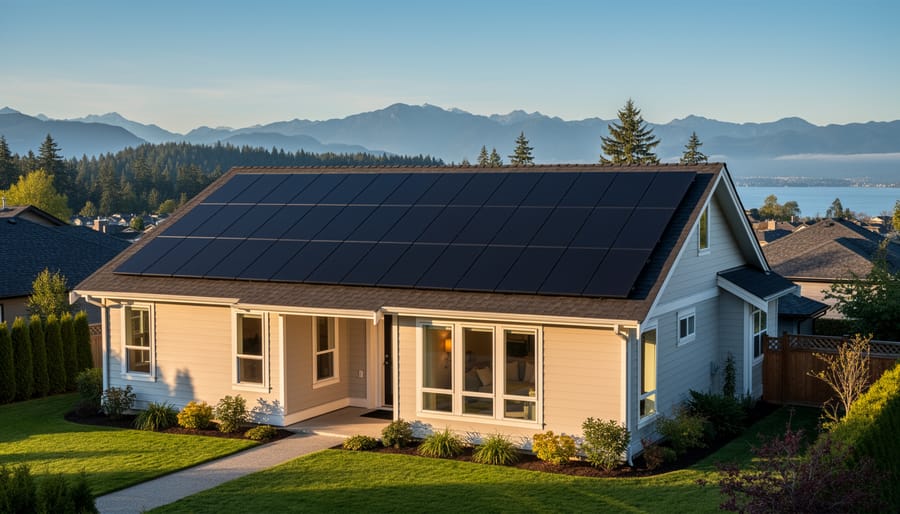
Successful solar installations across BC demonstrate how building code compliance leads to safe, efficient, and attractive renewable energy systems.

Common Code-Related Questions That Delay Solar Projects

Navigating building code requirements can feel overwhelming, but most concerns have straightforward solutions. Here are answers to questions BC homeowners frequently ask when planning their solar projects.

Do I need a structural engineer for my solar installation?

Not always. Many residential roofs can support solar panels without additional engineering assessments. Your solar installer will conduct an initial evaluation of your roof’s age, condition, and construction type. If your home was built to modern standards and the roof structure is sound, you likely won’t need extra engineering. However, older homes, flat roofs, or installations requiring significant modifications may benefit from a structural engineer’s stamp. This typically adds $500-$1,500 to your project but ensures safety and code compliance. The good news? Reputable solar companies handle these arrangements for you.

What if my roof is older or needs repairs?

Building inspectors want to see solar panels installed on structurally sound roofs. If your roof is approaching the end of its lifespan (typically 20-25 years for asphalt shingles), consider replacing it before installing solar. This approach saves money long-term since removing and reinstalling panels later costs $2,000-$4,000. Some BC homeowners have successfully coordinated roof replacement with solar installation, completing both projects simultaneously. Your installer can assess whether repairs are necessary or if your existing roof provides adequate support for the 25-30 year lifespan of your solar system.

Can I install solar panels myself?

While BC regulations don’t explicitly prohibit DIY solar installation, you’ll still need permits and inspections. Your work must meet electrical and building code standards, and only licensed electricians can perform certain connections. Most homeowners find that professional installation offers better value when considering warranty protection, proper permitting, and code compliance. DIY mistakes can create safety hazards and void equipment warranties.

How long do inspections typically take?

Inspection timelines vary by municipality, but most how long inspections take depends on local permit volumes and inspector availability. Expect 1-4 weeks for scheduling, though the actual inspection visit takes only 30-60 minutes. Your installer coordinates these appointments and ensures all requirements are met beforehand, minimizing delays and helping your project move smoothly toward completion.

Your Action Plan: Getting Solar Without Getting Stuck on Code Issues

Ready to move forward with solar? Here’s your practical checklist to ensure your project meets building code requirements without unnecessary delays.

First, verify your installer’s qualifications. Ask prospective solar companies if they hold a valid BC business license and if their electricians are certified by SkilledTradesBC. Request references from recent projects in your municipality and check online reviews. A qualified installer should confidently discuss their permitting process and code compliance track record.

When meeting with installers, ask these essential questions: Who handles the building permit application? How long does permitting typically take in my area? What building code requirements apply specifically to my roof type and home design? Will you provide structural engineering assessments if needed? What warranties cover both installation and code compliance? Professional installers welcome these questions and provide clear, documented answers.

Check your local municipal requirements early in the process. Visit your city or district’s website to review solar-specific guidelines. Many BC municipalities, including Vancouver, Victoria, and Kelowna, provide online resources detailing local permitting processes. Some communities have streamlined solar permit applications that fast-track approvals for standard residential installations. Contact your municipal building department directly if information isn’t readily available online.

For additional resources, consult the BC Building Code website maintained by the provincial government for official regulations. The BC Sustainable Energy Association offers educational materials and can connect you with reputable installers. Your local Community Energy Association may provide free consultations about solar readiness and regulatory requirements.

Remember Sarah from Burnaby? She felt overwhelmed initially but found success by following this systematic approach. She chose a certified installer who managed all permitting, received approval within three weeks, and now enjoys worry-free solar power that passed every inspection.

Building code compliance protects your investment and ensures safe, reliable solar performance. By working with qualified professionals and asking informed questions, you’ll navigate the process smoothly and join thousands of British Columbians already benefiting from clean, renewable energy.

Understanding the BC Building Code requirements for your solar project isn’t something to fear—it’s actually a crucial safeguard that ensures your system will perform safely and efficiently for decades to come. While the regulations might seem complex at first glance, they exist to protect your investment, your home, and your community. The good news? You don’t need to become a code expert yourself.

Working with certified solar installers who understand BC Building Code requirements makes compliance straightforward and stress-free. These professionals handle the technical details, coordinate inspections, and ensure every aspect of your installation meets provincial standards. Thousands of BC homeowners have already completed successful solar projects by partnering with qualified installers who navigate the regulatory landscape daily.

Your solar journey is within reach, and building code compliance is simply one manageable step in the process. Ready to move forward with confidence? Connect with experienced, certified solar installers through Solar BC who will guide you through every requirement, answer your questions, and help you join the growing community of British Columbians generating clean, renewable energy. Take that next step today—your solar future awaits.


Posted

in

by

Tags: