-
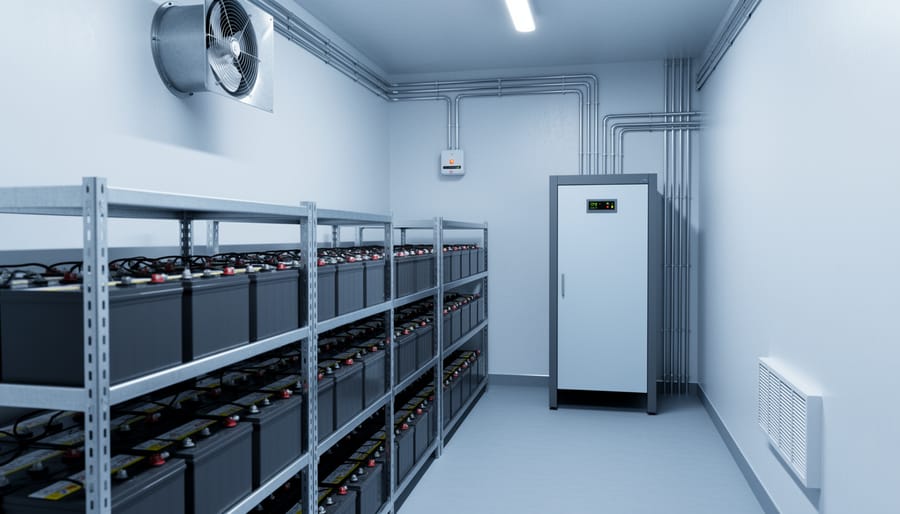
Why Your Battery Storage Room Needs Better Air Flow (Before It’s Too Late)
Install hydrogen gas detectors near ceiling level in your battery storage area, as charging lead-acid and flooded batteries release combustible hydrogen gas that rises and accumulates in poorly ventilated spaces. Without proper air exchange, concentrations can reach explosive levels of 4% or higher within hours. Calculate your required ventilation rate using the formula: CFM =…
-
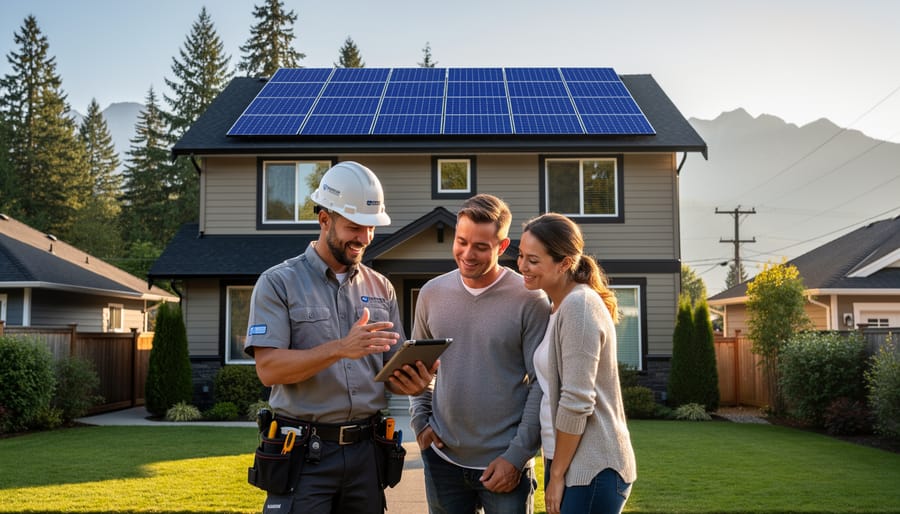
How PPA Solar Financing Lets You Go Solar Without Paying Upfront
Consider whether you’re ready to go solar without the upfront cost barrier. A Power Purchase Agreement (PPA) allows you to install solar panels on your British Columbia property with zero initial investment while immediately reducing your electricity bills. Under this arrangement, a third-party company owns and maintains the system on your roof, and you simply…
-
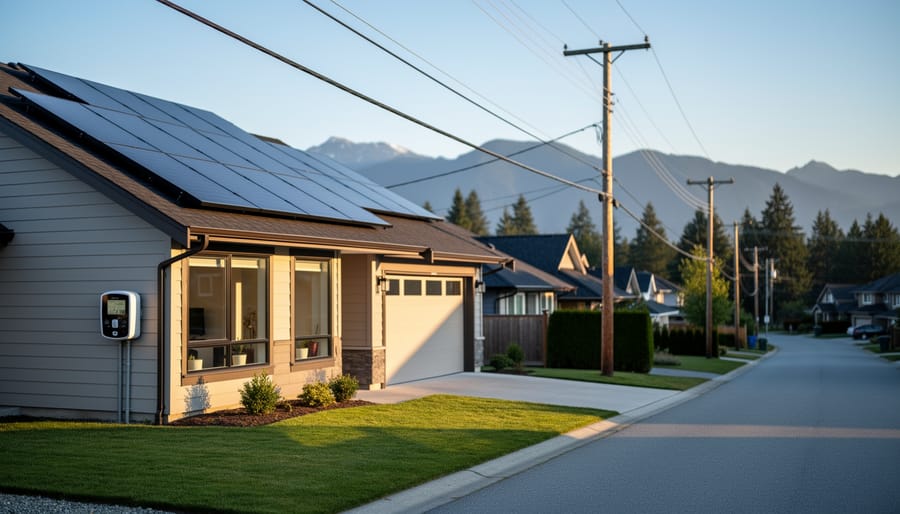
Why Your BC Hydro Account Shows ‘Accr Earning Pymt Added’ (And What It Means for Your Wallet)
Check your BC Hydro bill’s “accr earning pymt added to account” line item—this represents credits you’ve earned from your solar panel system sending excess electricity back to the grid through BC Hydro’s Net Metering Program. These accumulated earnings offset your future electricity consumption, typically appearing as a credit balance that rolls forward month to month.…
-
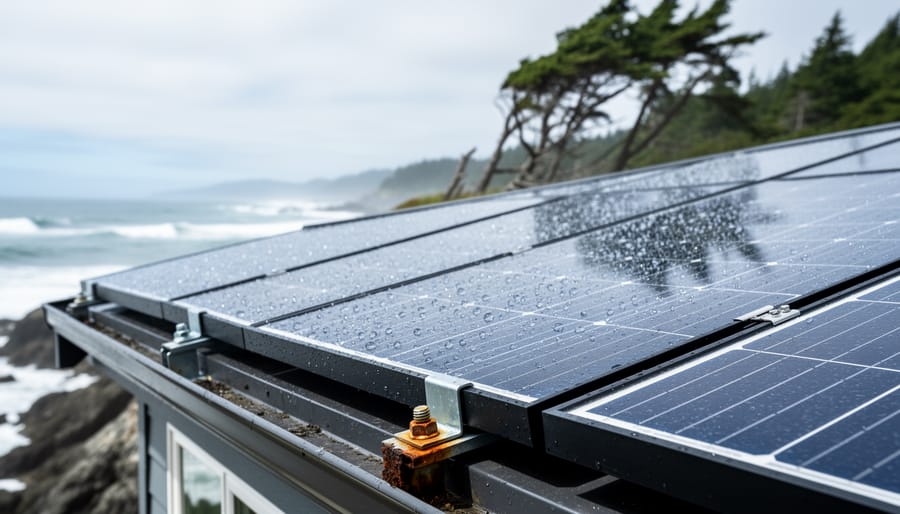
Why Coastal Salt Spray Could Be Destroying Your Solar Investment Right Now
Demand IEC 61701 salt spray certification when selecting solar panels for BC’s coastal regions—this international standard specifically tests photovoltaic modules against salt mist corrosion, ensuring your investment withstands ocean spray that can corrode electrical connections and degrade performance within years. Coastal installations from Tofino to Prince Rupert face unique environmental stresses beyond typical inland concerns…
-
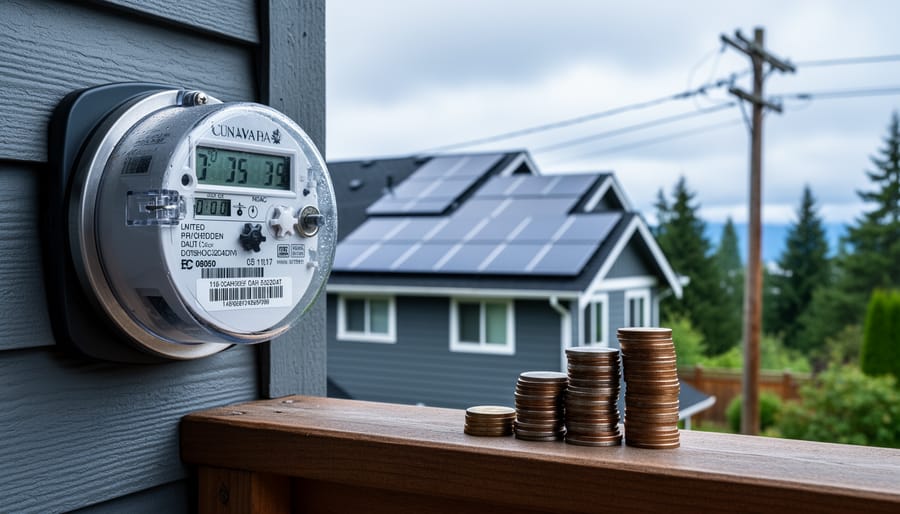
Why Your BC Hydro Bill Still Shows SBC Payments (Even With Solar Panels)
Understand that SBC payments (Small Business Conservation and low-income programs charges) will remain on your BC Hydro bill even after installing solar panels, typically costing residential customers $1-3 monthly regardless of your solar production. These fixed charges cannot be offset through net-metering credits, which means your actual solar savings will be lower than simply multiplying…
-
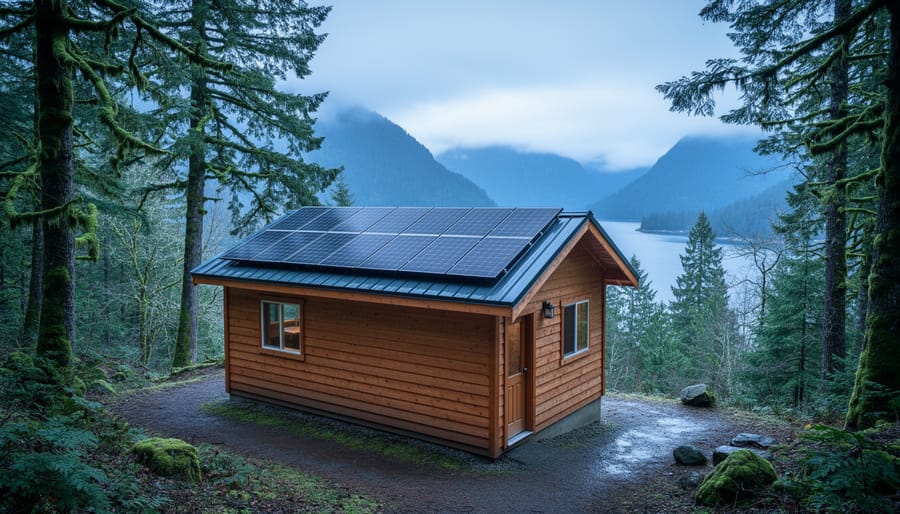
How BC Residents Are Cutting Power Bills to Zero with Off-Grid Solar
Evaluate your property’s solar potential by calculating your daily electricity consumption in kilowatt-hours, then multiply by 1.5 to account for British Columbia’s winter months when solar production drops by up to 60%. This baseline determines your minimum battery storage needs and panel array size. Examine successful BC installations matching your location’s climate zone. A Sunshine…
-
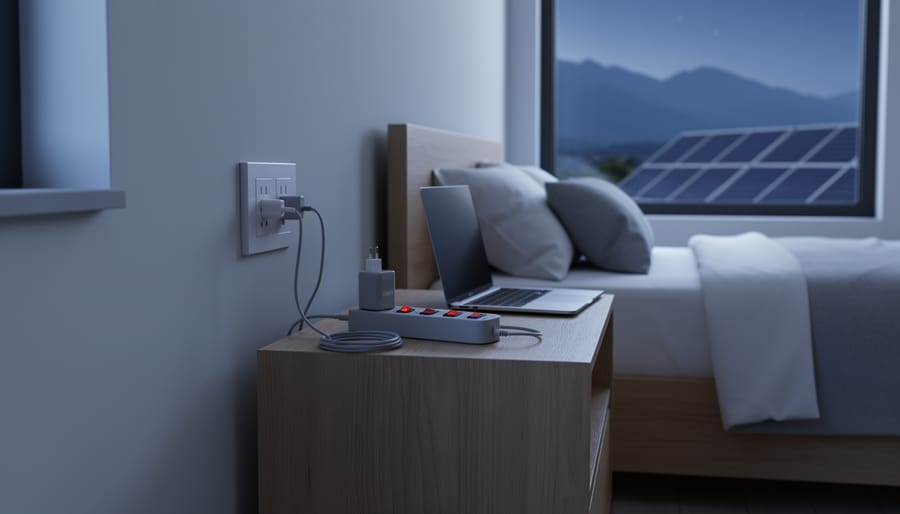
Smart Outlets That Cut Your Energy Bill While You Sleep
Your devices are quietly draining energy and money even when you think they’re off. Computers in sleep mode, phone chargers left plugged in, coffee makers on standby—these phantom loads account for up to 20% of your electricity bill. Plug load controls offer a straightforward solution: intelligent outlets and power strips that automatically cut power to…
-
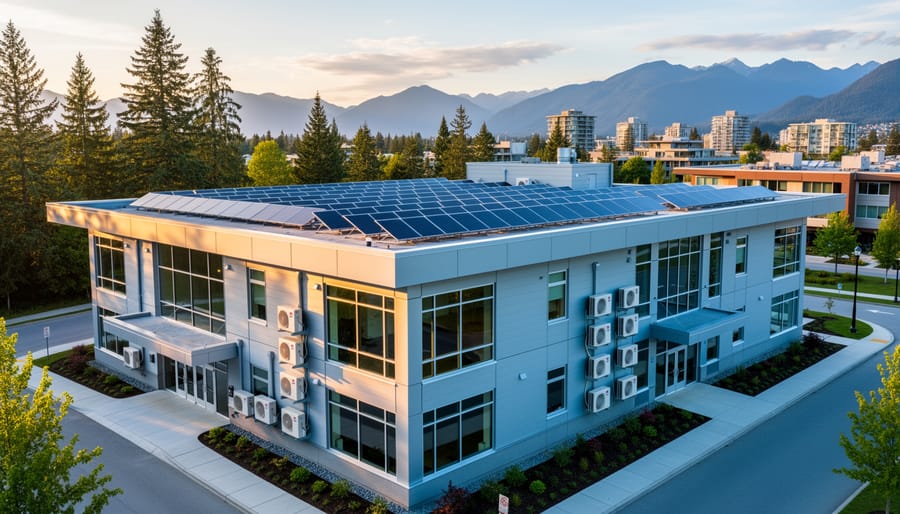
How BC Municipalities Are Slashing Emissions from Their Buildings (And Saving Money)
Municipal buildings across British Columbia consume vast amounts of energy for heating, cooling, and operations, accounting for a significant portion of community greenhouse gas emissions. Decarbonizing these facilities isn’t just an environmental imperative—it’s a practical pathway to reduce operating costs, demonstrate climate leadership, and inspire broader community action. Buildings decarbonization means eliminating or dramatically reducing…
-
How Automated Demand Response Programs Can Slash Your BC Energy Bills
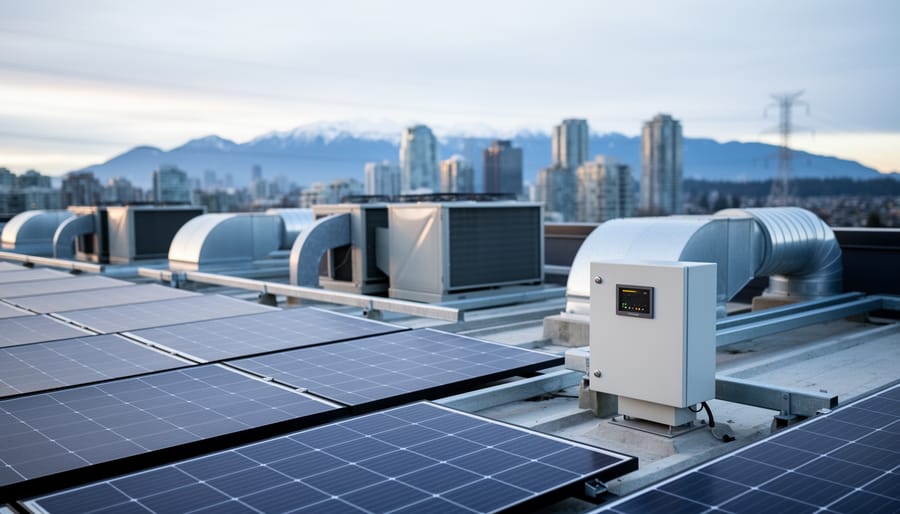
Energy costs hit BC property owners hardest during peak demand hours—typically weekday afternoons and cold winter mornings when electricity prices surge. Automated demand response (ADR) programs solve this problem by automatically reducing your building’s energy consumption during these expensive periods, cutting utility bills by 10-30% while supporting BC’s clean energy grid. ADR technology works like…
-
How Building Code Compliance Can Make or Break Your Small Wind Project in BC
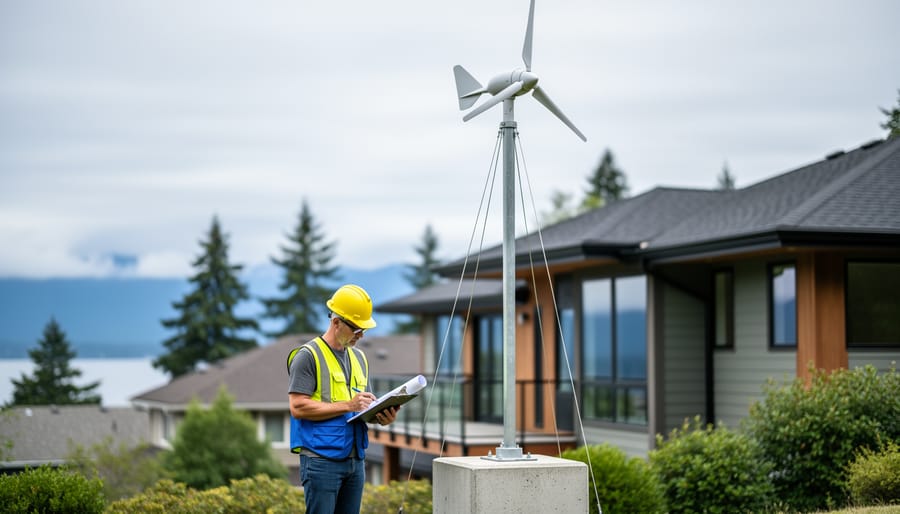
Verify your small wind turbine project meets BC Building Code requirements before purchasing equipment or breaking ground. Building codes exist to protect your safety, your neighbors, and your investment—ignoring them can result in expensive removal orders, denied insurance claims, and legal liability if your turbine causes property damage or injury. Confirm your municipality’s zoning bylaws…