Close-up of a gloved hand using a torque wrench to tighten a solar racking clamp on a rooftop in coastal British Columbia, with slight rust on the mounting bracket and a blurred ocean and evergreen backdrop under overcast light

Why Your Solar Racking System Needs Regular Inspections (Before It’s Too Late)

Inspect your solar panel racking system twice annually—once before winter and again in spring—to catch loose bolts, corroded connections, and structural shifts before they compromise system performance. British Columbia’s coastal moisture and freeze-thaw cycles create unique challenges that make these checks essential, not optional.

Document any visible rust spots, especially on mounting hardware and rail connections, using your smartphone camera to track progression over time. Coastal installations near saltwater require particular attention, as corrosion accelerates rapidly in marine environments. Check that all panel clamps maintain firm contact without gaps, since even minor loosening allows wind-driven rain to penetrate and compromise electrical connections.

Walk your roofline after significant weather events—windstorms above 70 km/h or heavy snowfall—to verify panels remain flush and properly aligned. Misalignment often signals mounting bracket failure or roof attachment issues requiring immediate professional assessment.

Your racking system serves as the foundation for decades of clean energy production, yet it receives far less attention than the panels themselves. This hidden infrastructure endures constant thermal expansion, wind loads, precipitation, and seismic activity while keeping your investment secure and productive. Understanding what can fail, recognizing warning signs early, and knowing when to call certified installers protects both your financial investment and safety.

The following guide equips BC solar owners with practical knowledge to maintain racking integrity, identifies climate-specific vulnerabilities affecting our region, and connects you with professional resources when DIY inspection reveals concerns requiring expert intervention.

What Solar Racking Systems Actually Do (And Why They Matter More Than You Think)

The Three Types of Racking Systems in BC Homes

In British Columbia, homeowners and businesses typically choose from three main racking system types, each designed for specific installation conditions and property requirements.

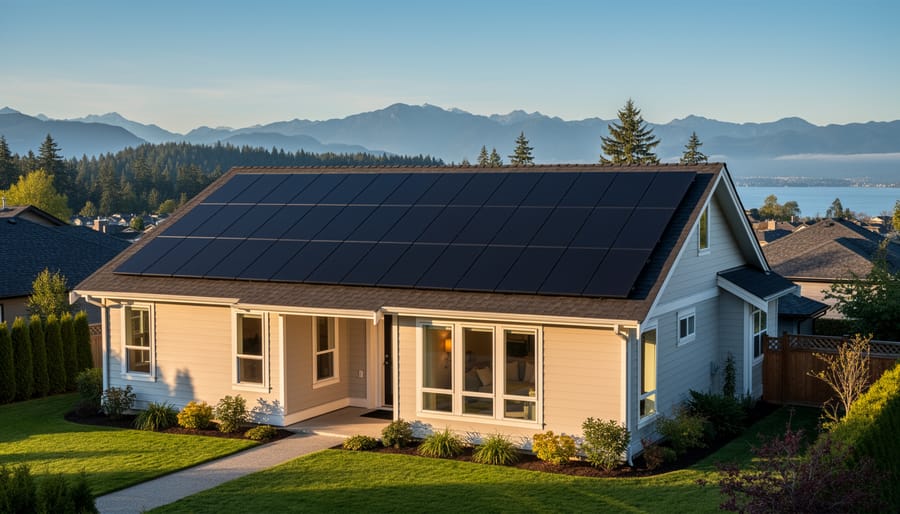
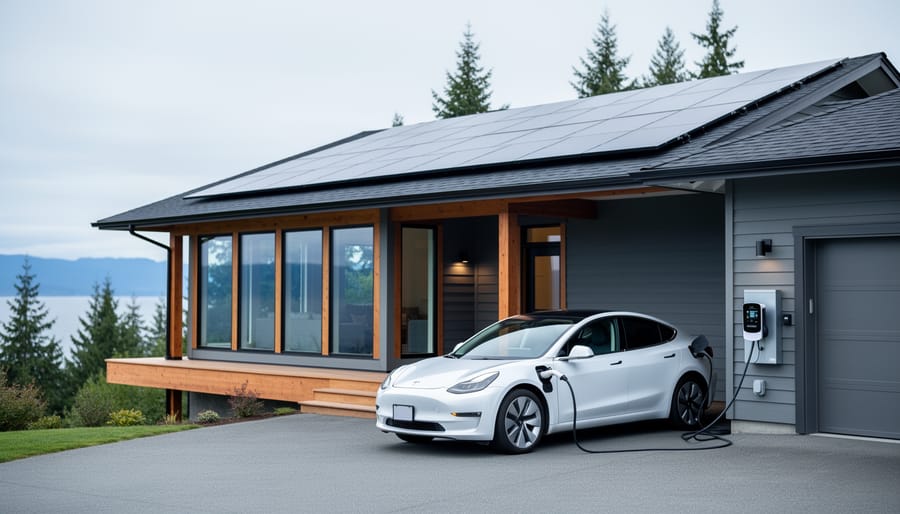
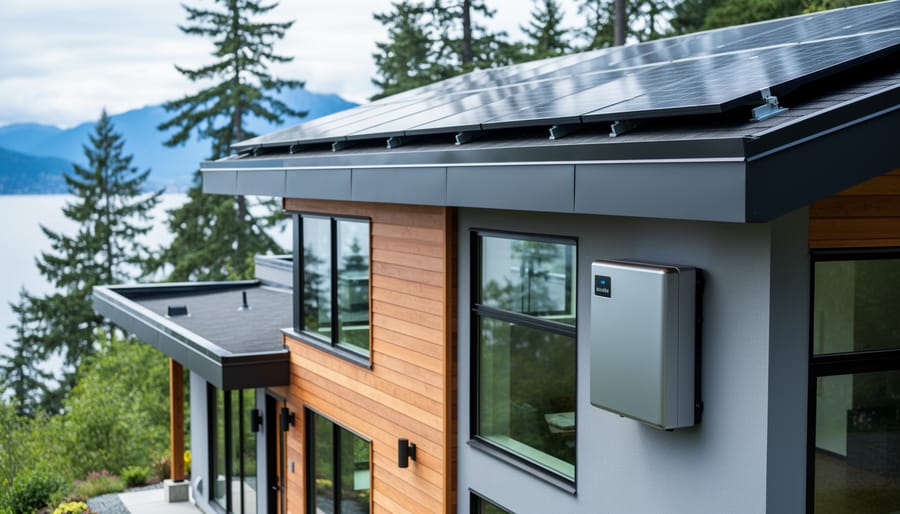
Roof-mounted racking systems are the most common choice for residential properties across BC. These systems attach directly to your existing roof structure using specialized rails and brackets. They work best on sloped roofs with southern exposure and are particularly popular in Vancouver, Victoria, and other urban areas where ground space is limited. Local homeowner Sarah Chen from Burnaby saved approximately $1,200 annually after installing a roof-mounted system on her southeast-facing roof, demonstrating how well these systems perform even in our variable coastal climate.

Ground-mounted systems offer an excellent alternative when roof conditions aren’t ideal. These freestanding structures are anchored directly into the ground and can be positioned for optimal sun exposure regardless of your building’s orientation. They’re particularly practical for rural properties in the Interior or northern regions where land is more abundant. Ground-mounted systems also simplify maintenance since panels remain easily accessible without requiring roof access.

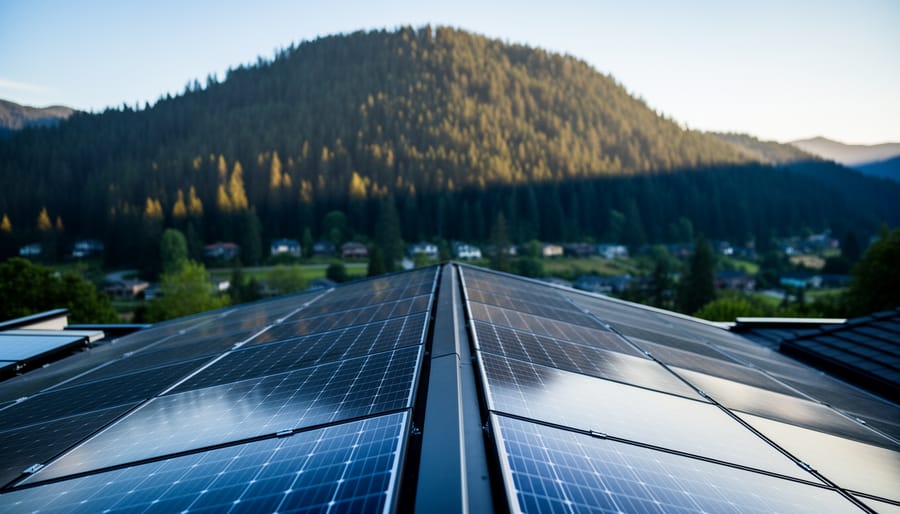
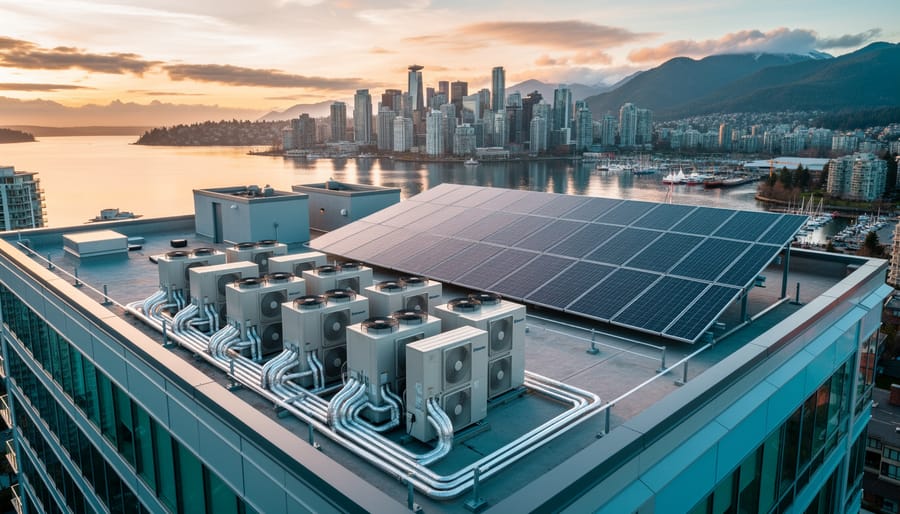
Flat-roof ballasted systems use weighted bases rather than roof penetrations, making them ideal for commercial buildings and newer homes with flat or low-slope roofs. The ballast design distributes weight evenly while eliminating the need for drilling into your roof membrane, preserving your waterproofing. These systems have gained popularity in Richmond and Surrey’s commercial districts, where flat-roofed warehouses and office buildings are converting unused roof space into energy-generating assets.

Understanding which system suits your property helps ensure long-term performance and easier maintenance access.

Common Racking Problems That BC Solar Owners Face

Close-up of corroded and rusted solar panel mounting brackets showing weather damage
Corrosion and rust on solar racking components is a common issue in BC’s wet coastal climate that requires regular monitoring.

Corrosion and Rust: The Silent Threat

British Columbia’s coastal climate brings beautiful scenery, but it also creates challenging conditions for solar racking systems. Our region’s frequent rain, morning dew, and salt-laden coastal air accelerate corrosion on metal components—even those designed for outdoor use.

Start by examining aluminum frames and stainless steel bolts for white, powdery deposits or reddish-brown staining. These early warning signs often appear within 3-5 years in coastal areas, though inland installations may see slower progression. Pay special attention to connection points where different metals meet, as this accelerates galvanic corrosion.

A Vancouver homeowner recently discovered significant rust on mounting brackets after just four years—earlier than expected because nearby construction temporarily removed protective tree coverage, increasing moisture exposure. This real-world example highlights why annual inspections matter, especially after environmental changes around your property.

Quality racking systems use marine-grade materials with protective coatings, but no system is completely maintenance-free. Check fasteners and joints each spring after winter rains subside. Light surface oxidation on aluminum is normal and actually forms a protective layer, but flaking paint, deep pitting, or structural weakness requires immediate professional attention. Catching corrosion early prevents costly repairs and maintains your system’s warranty coverage.

Loose Hardware and Mounting Points

Solar panel racking systems face constant stress from BC’s diverse weather conditions. Wind vibration, temperature swings between hot summer days and cool coastal nights, and seasonal weather patterns cause metal components to expand and contract repeatedly. Over time, this thermal cycling gradually loosens bolts, nuts, and other fasteners that hold your panels securely in place.

Think of it like the bolts on your outdoor deck furniture—exposure to the elements means they need periodic tightening. The same principle applies to your solar installation, but with higher stakes. Loose mounting hardware can lead to panels shifting position, reducing efficiency, or in severe cases, creating dangerous situations during windstorms.

A residential installation in Kelowna experienced this firsthand when routine maintenance revealed several loosened mounting bolts after just two years. The homeowner hadn’t realized inspection was necessary, assuming the system was maintenance-free. Fortunately, their installer caught the issue during a follow-up visit before any damage occurred.

Regular inspections every six months help identify loose hardware early. Look for visible gaps between washers and rails, listen for rattling sounds on windy days, and check that panels sit flush against mounting points. While homeowners can perform visual checks, tightening should be done by certified professionals who understand proper torque specifications and safety protocols for working on rooftops.

Roof Penetration and Water Damage

Roof integrity is a top priority for BC homeowners considering solar installations. When racking systems attach to your roof, they create penetration points that must be properly sealed to prevent water damage. Quality installers use flashing systems and waterproof sealants designed for our region’s heavy rainfall, ensuring each mounting point remains watertight through wet winters and summer heat.

The good news is that properly installed racking systems actually protect the roof areas they cover. However, poor installation or aging sealants can lead to leaks. During your seasonal inspections, look for water stains on your ceiling near panel locations, especially after heavy rainstorms. Check that mounting hardware remains secure and sealants show no signs of cracking or deterioration.

Working with certified installers familiar with BC’s building codes ensures your system meets local weatherproofing standards. They understand how our climate affects materials and will use appropriate fasteners and sealing methods. If you notice any concerns, contact a qualified professional immediately. Early detection prevents minor issues from becoming costly repairs, protecting both your solar investment and your home.

Your Annual Racking System Inspection Checklist

What You Can Check Yourself (Safely from the Ground)

You don’t need to climb onto your roof to spot potential issues with your solar panel racking system. Start by observing your panels from ground level using binoculars on a clear day. Look for panels that appear misaligned or sitting at different angles than their neighbors, which could indicate loose mounting hardware or shifting rails.

Check visible metal components for signs of corrosion, particularly white or rust-colored deposits around bolts and brackets. In BC’s coastal regions, salt air accelerates this process, while our rainy winters can expose poorly sealed connections. Pay attention to any gaps between panels and the roof surface that seem larger than others.

Watch for obvious damage like cracked panel frames, bent rails, or missing components. If you notice debris accumulation in certain areas, it might signal drainage problems that could stress your racking over time. One homeowner in Surrey caught a failing clamp early simply by noticing a panel edge lifting slightly during his monthly ground-level checks.

Document what you see with photos and dates. This creates a helpful record for professional inspectors and helps you track changes over time. If anything looks concerning or you notice new issues developing, that’s your cue to contact a certified solar installer for a thorough assessment.

Solar technician inspecting mounting hardware and racking system on residential roof
Professional technicians should inspect solar racking systems annually to identify potential structural issues before they become serious problems.

When to Call a Professional Installer

Some situations require immediate professional attention to protect your investment and ensure safety. Call a certified installer if you notice visible corrosion on metal components, loose or missing bolts, cracks in the racking structure, or panels that appear misaligned or sagging. These red flags can compromise your system’s structural integrity, especially during BC’s winter storms or heavy snowfall.

Water pooling beneath panels or signs of roof leaks near mounting points also warrant expert assessment. BC’s frequent rainfall makes proper waterproofing critical, and professionals can identify whether flashing or sealants need replacement before interior damage occurs.

During professional maintenance visits, certified BC installers conduct comprehensive structural assessments, including torque testing of all fasteners, checking for metal fatigue, and verifying that grounding connections remain secure. They’ll also inspect roof attachments to ensure they haven’t compromised your home’s weatherproofing.

Consider scheduling professional inspections every 3-5 years, or sooner if your system experiences extreme weather events. For example, a Kelowna homeowner avoided costly repairs by having their installer assess wind damage after an unexpected summer storm revealed minor racking shifts.

Working with certified professionals ensures your system meets current electrical and building codes while maintaining manufacturer warranties. This proactive approach keeps your solar investment producing clean energy reliably for decades.

Protecting Your Racking System: Maintenance Best Practices

Well-maintained solar panel racking system on residential roof showing proper installation
A well-maintained solar racking system with proper installation ensures long-term performance and protects your investment.

Seasonal Maintenance for BC’s Climate

BC’s diverse climate demands a thoughtful approach to seasonal preventive maintenance for your solar racking system. As fall approaches, prepare for winter by clearing gutters and drainage paths around your array, trimming nearby branches that could drop snow or debris, and checking that all mounting hardware remains tight after summer’s expansion and contraction cycles. This is also the perfect time to schedule a professional inspection before storm season arrives.

Spring brings critical post-winter checks. Look for any loosened bolts from freeze-thaw cycles, inspect for corrosion on coastal installations where salt air is present, and verify that winter storms haven’t shifted panel alignment. Vancouver Island residents should pay particular attention to wind damage after coastal storms.

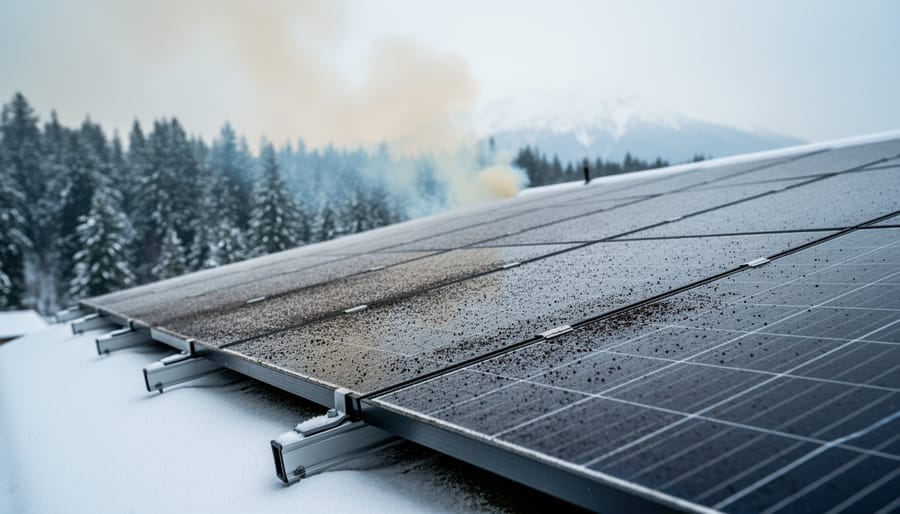
Summer offers ideal conditions for performance assessments. Monitor your system’s output to ensure it matches expectations, and gently clean panels if needed. Interior BC locations should watch for wildfire smoke buildup, which can reduce efficiency. Regular seasonal attention keeps your investment performing optimally year-round while catching small issues before they become costly repairs.

Real Costs: What Racking Neglect Can Mean for BC Homeowners

When racking systems fail, the financial consequences extend far beyond the initial repair bill. A deteriorated racking system can cause cascading damage that affects your entire solar investment and even your home’s structure.

The immediate costs are significant. Replacing corroded racking components typically ranges from $2,000 to $8,000 depending on system size, but that’s just the beginning. Damaged panels from shifting or fallen arrays can add another $3,000 to $10,000 in replacement costs. If the racking fails and causes roof damage, you’re looking at additional repair expenses that can easily exceed $5,000. More concerning is the potential for system failure that requires complete reinstallation, which can cost as much as installing a new system from scratch.

Beyond immediate expenses, neglected racking creates ongoing losses. A misaligned or partially failed system produces less energy, reducing your savings month after month. Some BC homeowners have reported 20-30% drops in energy production before discovering racking issues.

Safety risks compound the financial impact. Loose panels pose dangers to your family and neighbours, potentially creating liability issues. Insurance claims for property damage or injuries can lead to increased premiums or coverage denial if maintenance records show neglect.

Consider the experience of a Burnaby homeowner who postponed addressing visible corrosion on their coastal-facing installation. Within 18 months, saltwater exposure caused multiple mounting brackets to fail during a windstorm. Three panels fell, damaging roof shingles and gutters. The total bill, including emergency repairs, panel replacement, and upgraded corrosion-resistant hardware, exceeded $12,000. Regular inspections and a $400 protective coating application could have prevented the entire situation.

The lesson is clear: proactive maintenance costs a fraction of reactive repairs.

Working with Certified BC Installers for Racking Maintenance

Choosing the right professional to inspect and maintain your solar racking system ensures your investment stays secure and productive for decades. Start by selecting certified BC installers who have specific experience with racking systems and understand local weather conditions—from coastal salt exposure to heavy snow loads in the Interior.

When interviewing potential service providers, ask about their experience with your specific racking brand and roof type. Inquire how they handle corrosion issues common in BC’s wet climate and whether they carry liability insurance for roof work. Request references from other BC solar owners and check online reviews to verify their track record.

A typical maintenance visit should include a thorough visual inspection of all mounting points, fasteners, and structural connections. The technician should check for rust, loose bolts, damaged flashing, and proper grounding. They’ll also examine the roof condition around mounting areas and ensure drainage patterns haven’t changed. Expect them to provide a detailed report with photos documenting any concerns and recommended actions.

Maintenance costs vary depending on system size and location, but annual inspections typically range from 200 to 500 dollars in BC. Major repairs like replacing corroded rails or resealing roof penetrations can cost 1,000 to 3,000 dollars, though catching issues early usually means simpler, less expensive fixes.

Consider establishing a relationship with one trusted service provider who becomes familiar with your system’s history. Many installers offer maintenance packages that include regular inspections and priority service, providing peace of mind while potentially saving money compared to one-off visits. This ongoing partnership helps ensure small issues never become major headaches.

Your solar panel racking system is more than just metal framework—it’s the foundation protecting your clean energy investment for decades to come. By taking a proactive approach to maintenance, you’re ensuring optimal performance, protecting your property, and maximizing the return on your solar investment. Regular inspections catch small issues before they become costly repairs, giving you peace of mind through BC’s wettest winters and sunniest summers.

Think of racking maintenance as preventive care, similar to regular check-ups for your vehicle. A small time investment today prevents major headaches tomorrow. Whether you’re a homeowner in Vancouver or managing a commercial installation in Kelowna, scheduling annual professional inspections should be part of your routine.

Ready to ensure your system is in top condition? Connect with certified solar installers through Solar BC who understand our unique regional challenges—from coastal corrosion to interior snowloads. These experienced professionals can assess your racking system’s health and recommend any necessary maintenance. Don’t wait for visible problems to develop. Schedule your inspection today and protect the clean energy future you’ve invested in. Your solar panels work hard for you—give them the solid foundation they deserve.


Posted

in

by

Tags: