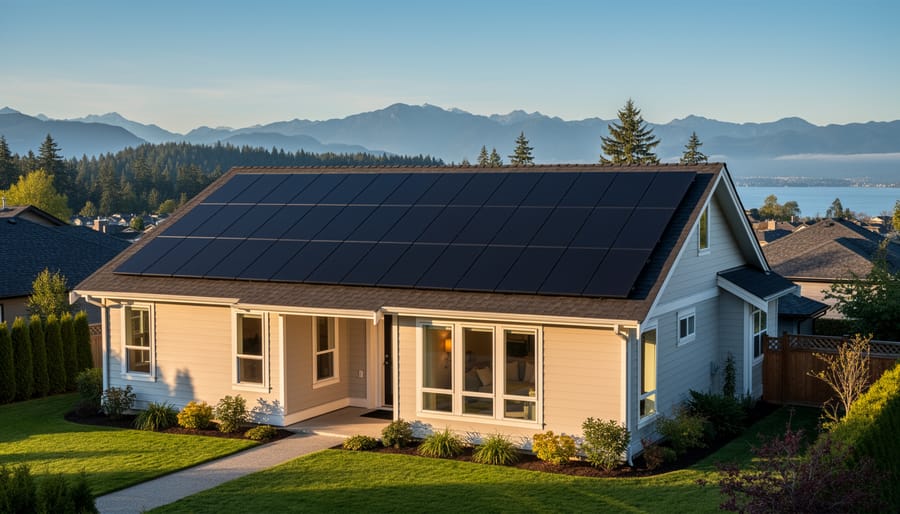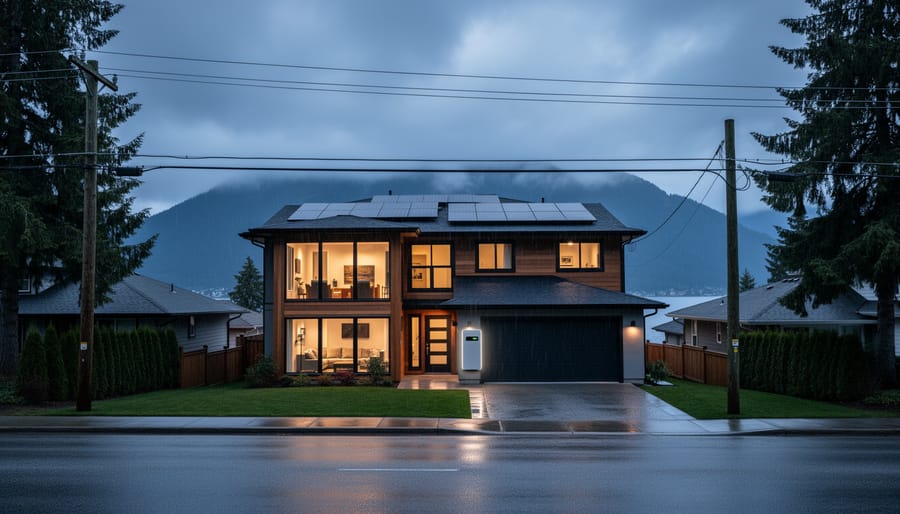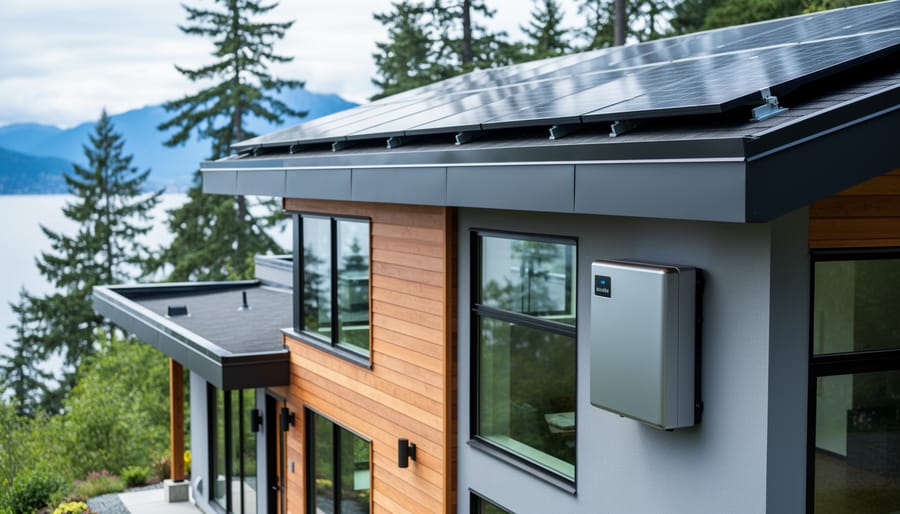
Modern British Columbia house with rooftop solar panels and an open garage revealing a wall-mounted home battery, photographed at golden hour with evergreen trees and coastal mountains in the background.

How Solar-Plus-Storage Makes Your B.C. Home Net-Zero (And Saves You Money)

Pair your solar panels with a battery storage system to capture excess energy during B.C.’s long summer days and use it during cloudy winter months when generation drops. This combination—known as solar-plus-storage—is transforming how British Columbia homeowners achieve net-zero status, allowing them to store clean energy when the sun shines and draw from those reserves when it doesn’t.

Install a battery system sized to your home’s evening energy consumption, typically 10-15 kWh for an average B.C. household, ensuring you can power essentials through darker months without relying on the grid. Work with a certified installer to optimize battery placement in temperature-controlled spaces like garages or basements, as lithium-ion batteries perform best between 10-30°C—ideal for B.C.’s moderate climate.

Configure your system to prioritize self-consumption over net metering, storing daytime solar generation for your own use rather than sending it back to the grid at lower rates and buying it back at higher evening prices. This approach maximizes your return on investment while building true energy independence, especially valuable during winter storms or planned outages.

Take advantage of B.C.’s CleanBC rebates and federal Greener Homes Grant, which can offset up to $10,000 of your storage system costs, making the technology more accessible than ever. The combination of falling battery prices—down 89% since 2010—and these incentives means storage systems now pay for themselves within 8-12 years for most B.C. homeowners.

For homes aspiring to net-zero status in British Columbia’s unique climate, storage isn’t optional—it’s the missing piece that makes solar truly work year-round.

What Is a Solar-Plus-Storage System?

Modern British Columbia home with solar panels on roof and battery storage unit on exterior wall
A typical B.C. home equipped with integrated solar panels and battery storage system working together to achieve net-zero energy goals.

The Three Key Components

A solar plus storage system combines three essential components that work together seamlessly to capture, store, and manage clean energy for your home.

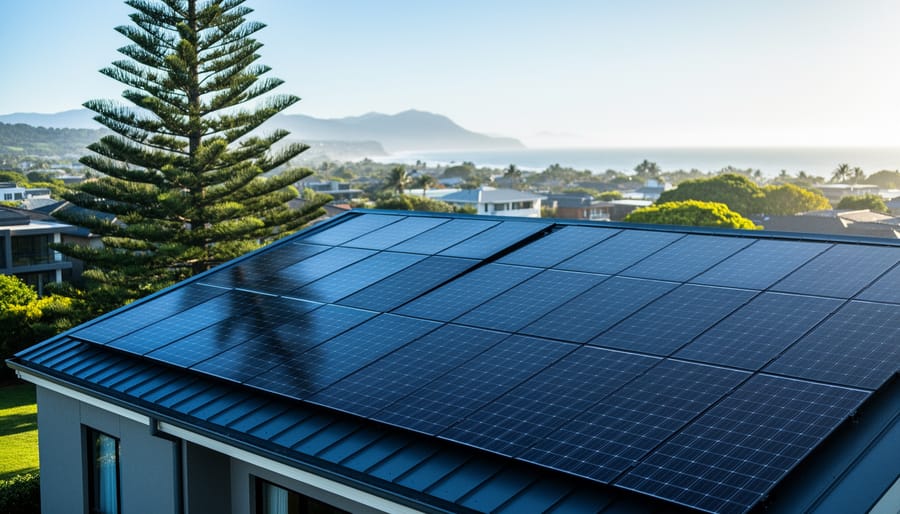
Solar panels form the foundation of your system. Mounted on your roof or property, these panels contain photovoltaic cells that convert sunlight into direct current (DC) electricity. In British Columbia, even on cloudy days, modern panels efficiently generate power from available daylight. A typical residential installation includes 15-25 panels, depending on your home’s energy needs and available space.

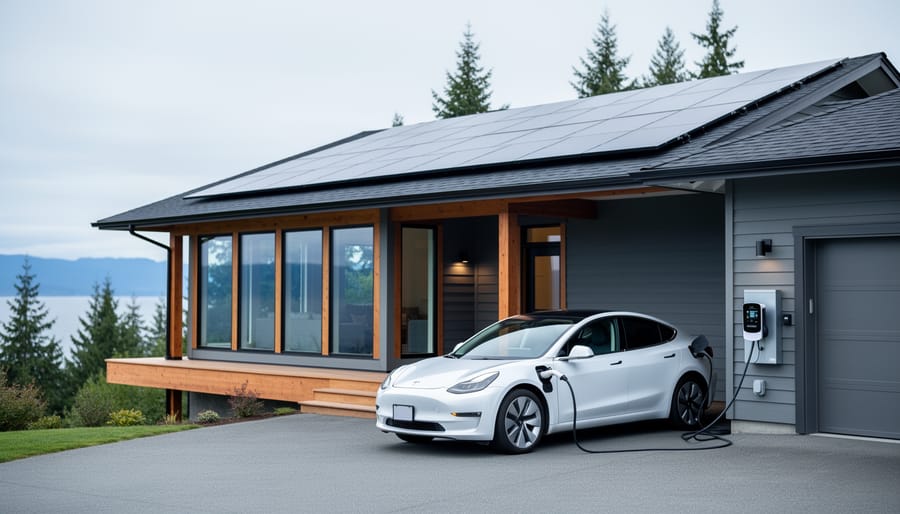
Battery storage units are the game-changer that makes net-zero living achievable in B.C.’s climate. These batteries, often lithium-ion systems similar to those in electric vehicles, store excess electricity your panels produce during sunny periods. This stored energy becomes available when the sun isn’t shining, during evening hours, or throughout our darker winter months. Battery capacity is measured in kilowatt-hours (kWh), with most homes requiring between 10-20 kWh of storage. Interestingly, your EV can power your home as an additional backup storage option during emergencies.

Inverters and energy management systems complete the trio. The inverter converts stored DC electricity into alternating current (AC) power that your appliances use. Meanwhile, the energy management system acts as your home’s intelligent coordinator, deciding when to use solar power directly, when to charge batteries, when to draw from storage, and when to connect with the grid. This smart technology ensures you maximize self-consumption of your solar energy while maintaining reliable power throughout the day and night, bringing you closer to true energy independence.

Residential battery storage system mounted on wall showing modern design and LED indicators
Home battery storage units store excess solar energy during the day for use during evening hours and cloudy periods.

How It Differs from Solar-Only Systems

Traditional grid-tied solar systems work wonderfully during sunny days, generating clean electricity and often sending excess power back to the grid. However, they have a significant limitation: when the sun sets or the grid goes down, so does your power. Without battery storage, you’re still entirely dependent on BC Hydro for evening energy needs and have no backup during outages.

Here’s the key difference: a solar-only system operates as a supplement to grid power, reducing your bills but not eliminating your reliance on conventional electricity. When your panels produce more energy than you need during the day, that surplus typically flows back to the grid through net metering programs. While you receive credits, you’re essentially giving away your cleanest energy, only to buy it back at night from sources that may not be renewable.

For true energy independence and achieving net-zero goals in British Columbia, storage is essential. Our province experiences significant seasonal variation, with shorter winter days when solar production drops but heating demands increase. A solar plus storage system captures excess daytime generation, storing it for use during peak evening hours when families are cooking dinner, doing laundry, and charging devices.

Consider the Johnsons in Victoria, who installed solar panels in 2018. They reduced their summer bills significantly but still relied heavily on grid power from November through February. After adding battery storage in 2021, they achieved 85% energy independence year-round, even during BC’s cloudier months. Storage transformed their system from a supplementary measure into a comprehensive energy solution that moves them closer to their net-zero ambitions.

Why B.C. Homes Need Storage to Reach Net-Zero

B.C.’s Seasonal Solar Challenge

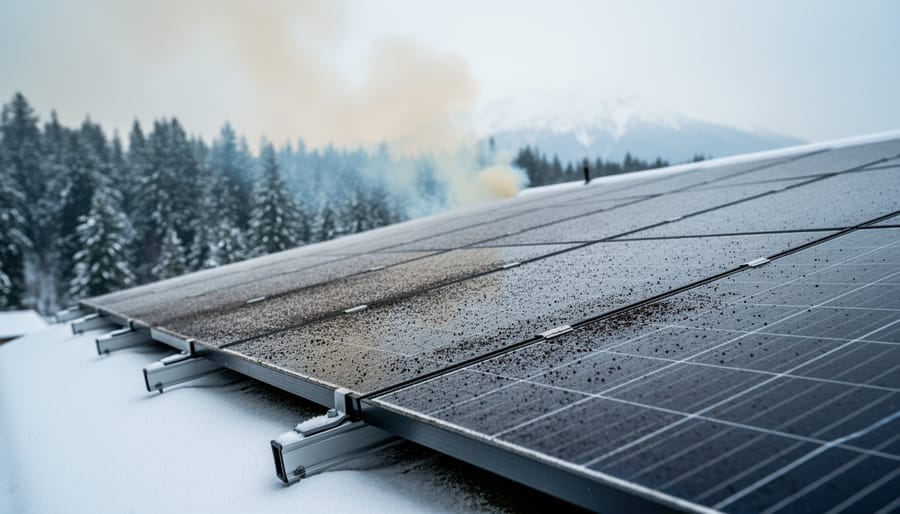
Living in British Columbia means embracing a unique solar reality. While summer months deliver abundant sunshine with daylight stretching past 9 PM, winter brings a different story. From November through February, B.C. homeowners face shorter days and significantly reduced solar production—sometimes dropping to just 15-20% of summer output.

This seasonal variation presents a real challenge for net-zero goals. Consider a typical Vancouver home: your solar panels might generate 800 kWh in July but only 150 kWh in December, even though your heating needs actually increase during those darker months. This is precisely where battery storage becomes essential rather than optional.

A well-designed storage system acts as your energy bridge through B.C.’s cloudy seasons. During those precious sunny winter days, your batteries capture every available kilowatt-hour. On grey, rainy stretches—common along the coast—you draw from stored energy instead of immediately pulling from the grid. This smooths out the seasonal peaks and valleys that make net-zero challenging in our climate.

The Sunshine Coast offers an encouraging example: the Henderson family installed a solar-plus-storage system in 2022. While their winter production dropped predictably, their 13.5 kWh battery system kept them largely grid-independent by maximizing storage during brief sunny periods. They reported maintaining 60% solar coverage even through January and February—months when panels alone would have provided minimal direct power.

Understanding these seasonal patterns helps you size your storage appropriately for B.C.’s specific climate challenges, ensuring year-round energy resilience.

Time-of-Use Energy Patterns in B.C. Homes

Most B.C. families follow a predictable energy pattern: electricity demand peaks during breakfast preparation and the evening hours when everyone returns home, cooking dinner and running appliances. Unfortunately, these high-demand periods occur precisely when solar panels produce little to no power. Solar generation peaks midday, often when homes are empty and consumption is lowest.

This timing mismatch creates a challenge for homeowners relying solely on solar panels. Without storage, excess midday solar energy gets sent back to the grid, while evening electricity needs are met by drawing from conventional grid sources. This reduces the financial and environmental benefits of your solar investment.

Battery storage systems elegantly solve this problem by capturing surplus solar energy during peak production hours and releasing it when your family actually needs it. Think of it as shifting your personal sunshine from noon to dinnertime. A typical B.C. household can store enough daytime solar energy to power evening lighting, cooking, and entertainment needs.

This energy-shifting capability is particularly valuable during B.C.’s shorter winter days, when the window of solar production is limited but evening energy demands remain consistent.

Grid Reliability and Backup Power

British Columbia’s electrical grid is among Canada’s most reliable, powered largely by clean hydroelectricity. However, climate change is increasing the frequency of severe weather events, from winter storms to summer wildfires, leading to more power interruptions across the province. Recent years have seen communities from Vancouver Island to the Interior experiencing extended outages that affect daily life and comfort.

Adding battery storage to your solar system provides backup power during outages, keeping essential appliances running when the grid goes down. Unlike traditional solar panels that automatically shut off during outages for safety reasons, stored energy allows your home to operate independently. This resilience supports your family’s security while maintaining your commitment to net-zero living. You’re not just protecting your household—you’re reducing strain on the grid during peak demand periods, contributing to a more stable energy future for all British Columbians.

Real Benefits for B.C. Homeowners

Cut Your Electricity Bills Year-Round

A solar plus storage system transforms your solar panels from a daytime-only power source into a round-the-clock electricity provider. Here’s how it works: during sunny periods, your panels generate electricity for immediate use while simultaneously charging your battery. When the sun sets or clouds roll in, your stored energy kicks in, reducing or eliminating the need to draw expensive power from the grid.

This matters year-round in B.C., even during our rainy winters. While solar production naturally decreases in darker months, every kilowatt-hour you generate still offsets grid consumption. Your battery ensures none of that precious winter solar energy goes to waste. Instead of sending excess power back to the grid during brief sunny periods, you store it for evening use when electricity demand and rates are typically highest.

For a typical B.C. home using 10,000 kWh annually, a well-designed solar plus storage system can reduce grid reliance by 70-90% in summer and 30-50% in winter. This translates to annual savings of $800 to $1,500 for most households, depending on your current electricity rates and consumption patterns.

Consider the experience of the Chen family in Victoria, who installed a 6 kW solar array with 10 kWh of battery storage. Their winter electricity bills dropped from $180 monthly to just $65, while summer months often see bills under $20. Over a year, they’re saving approximately $1,200 while significantly reducing their carbon footprint.

Your Carbon Footprint Shrinks Dramatically

When you pair solar panels with battery storage in British Columbia, you dramatically reduce your household’s environmental impact. The average B.C. home produces approximately 4 tonnes of carbon emissions annually from electricity and heating. A solar plus storage system can eliminate 70-90% of these emissions by maximizing your use of clean, renewable energy.

Here’s why storage makes such a difference: without batteries, typical solar installations only allow you to use about 30-40% of the energy your panels generate, with the rest exported to the grid. Storage systems boost self-consumption to 70-80%, meaning you’re directly using clean solar power instead of drawing from the provincial grid during evenings and cloudy periods.

Consider the Fraser Valley’s Chen family, who installed a 7kW solar array with 13.5kWh battery storage. They now offset 5,200 kWh annually, equivalent to taking a car off the road for an entire year. Over their system’s 25-year lifespan, that represents 130 tonnes of avoided emissions.

The environmental benefits extend beyond carbon reduction. By drawing less from the grid during peak demand, you help reduce strain on B.C.’s hydroelectric infrastructure and decrease the need for fossil fuel backup generation during high-usage periods.

Family relaxing in well-lit living room during evening hours using stored solar energy
B.C. families enjoy reliable electricity in their homes during evening hours powered by solar energy stored throughout the day.

Energy Independence and Peace of Mind

When B.C. experiences severe weather events, from winter windstorms to summer heat waves, a solar plus storage system ensures your home remains powered while the grid goes down. This means your refrigerator keeps running, medical equipment stays operational, and your family maintains comfortable living conditions during power during outages that can last hours or even days.

Beyond emergency preparedness, battery storage shields you from rising electricity costs. While BC Hydro rates have historically been low, future increases are anticipated as infrastructure upgrades continue. By storing excess solar energy generated during sunny periods, you use your own clean power during expensive peak-demand times rather than buying from the grid.

Consider the experience of the Thompson family in Kelowna, who weathered a three-day power outage last winter without disruption. Their solar plus storage system automatically switched to backup mode, keeping their heat pump running and their routine undisturbed. This energy independence provides not just practical benefits, but genuine peace of mind knowing your household can weather whatever comes next while reducing your environmental footprint and controlling long-term energy costs.

Local Success Story: A Net-Zero Home in the Lower Mainland

When the Chen family moved into their 2,200-square-foot home in Surrey three years ago, they had a bold goal: eliminate their electricity bills entirely while reducing their carbon footprint. Today, they’re proud to say they’ve achieved net-zero energy consumption, even through B.C.’s darker winter months.

Their journey began with installing a 9.5 kW solar array on their south-facing roof, paired with a 13.5 kWh battery storage system. The total investment came to approximately $32,000 before incentives. After applying available federal and provincial rebates, their out-of-pocket cost dropped to around $24,000.

“We were nervous about the upfront investment,” admits Sarah Chen, a teacher and mother of two. “But we crunched the numbers and realized we’d break even in about twelve years, and the system should last 25 years or more.”

The results exceeded their expectations. During spring and summer, their solar panels generate far more electricity than they need. The excess energy charges their battery and feeds back into the grid through BC Hydro’s net metering program, building up credits. These credits prove invaluable during November through February when solar production drops significantly.

“Winter was our biggest concern,” Sarah explains. “But the battery stores enough power to cover our evening and morning needs, and those accumulated summer credits handle the shortfall on particularly gray weeks.” The family also invested in energy-efficient appliances and LED lighting, which reduced their overall consumption by 30 percent.

Their system includes backup power solutions that kept their refrigerator, heating system, and essential lights running during last winter’s power outages. “That peace of mind alone is worth so much,” says Michael Chen, Sarah’s husband.

The family now saves approximately $2,200 annually on electricity costs. They’ve also noticed an unexpected benefit: their children have become passionate about tracking their energy production through the system’s monitoring app, sparking meaningful conversations about sustainability and climate action.

“Going net-zero felt like a huge leap at first,” Sarah reflects. “But breaking it down into steps and working with a qualified local installer made it manageable. Now we’re encouraging our neighbors to consider it too. If a regular family like ours can do this in B.C.’s climate, anyone can.”

What to Consider for Your B.C. Home

Sizing Your System Correctly

Getting your solar plus storage system sized correctly is crucial for achieving net-zero performance without overspending. Start by examining your electricity bills from the past year to understand your household’s energy consumption patterns. In B.C., winter months typically show higher usage due to heating needs and reduced daylight hours, which directly impacts how much solar capacity and battery storage you’ll require.

For solar panel sizing, most B.C. homes need between 5-10 kW of capacity to cover annual electricity use. However, coastal homes may benefit from slightly larger arrays to compensate for cloudier weather, while Interior homes with more sunshine hours can often use smaller systems. A good rule of thumb is to aim for panels that generate at least your annual consumption when factoring in B.C.’s seasonal variations.

Battery storage sizing depends on your backup power goals and energy independence targets. A typical B.C. household might start with 10-15 kWh of storage, enough to cover essential loads overnight or during brief outages. For complete energy independence during winter, you may need 20-30 kWh or more.

Consider working with a local energy advisor who understands B.C.’s climate zones and can analyze your specific usage patterns. They’ll account for factors like your home’s orientation, shading from nearby trees, and whether you heat with electricity or natural gas. The Penticton family mentioned earlier started with detailed energy monitoring for three months before finalizing their system design, ensuring their investment matched their actual needs rather than estimates.

Investment and Incentives Available in B.C.

Installing a solar plus storage system in British Columbia represents a significant investment, but various incentives make it increasingly accessible. Complete residential systems typically range from $25,000 to $45,000, depending on your home’s energy needs, roof characteristics, and battery capacity. A standard 8-10 kW solar array with 10-15 kWh of battery storage usually falls in the $30,000-$35,000 range.

British Columbia residents can access several financial supports. The Canada Greener Homes Grant provides up to $5,000 for solar installations and an additional $1,000 for battery storage, significantly reducing upfront costs. The federal government also offers interest-free loans up to $40,000 through the Canada Greener Homes Loan program, making monthly payments manageable for most households.

BC Hydro’s Net Metering Program allows you to earn credits for excess power your system generates, effectively using the grid as a virtual battery during peak production months. While B.C. currently lacks province-specific solar rebates, some municipal governments and credit unions offer additional incentives or favorable financing terms for renewable energy projects.

The Pemberton family from Victoria reduced their initial investment by 30 percent through combined federal incentives and municipal property tax exemptions. Their system paid for itself in 11 years, with energy independence bringing peace of mind during winter storms.

Many solar installers in B.C. offer financing packages with low monthly payments, sometimes lower than current electricity bills. Contact local providers for personalized quotes and updated incentive information, as programs evolve regularly to support B.C.’s clean energy goals.

Getting Started: Your Path to Net-Zero

Find a Certified Installer in Your Area

Choosing the right installer is crucial for a successful solar plus storage system. Look for certified professionals who understand B.C.’s unique climate conditions, from coastal rain to interior winters, and are familiar with provincial building codes and utility requirements.

Solar BC plays a valuable role in connecting homeowners with qualified installers across the province. Their network includes certified professionals who have demonstrated expertise in both solar panel installation and battery storage integration. When evaluating installers, ask about their experience with net-zero projects specifically, as these require careful energy modeling and system sizing.

Request multiple quotes and check references from recent projects in your region. Qualified installers should offer comprehensive assessments of your home’s solar potential, recommend appropriately sized battery storage, and explain how your system will interact with BC Hydro’s net metering program.

Look for installers who provide clear warranties, post-installation support, and monitoring services. Many certified professionals also help navigate available rebates and incentives, ensuring you maximize your financial benefits. A local success story: Vancouver homeowner Maria Chen credits her installer’s expertise with optimizing her system for the city’s cloudy winters, achieving net-zero status within the first year of operation.

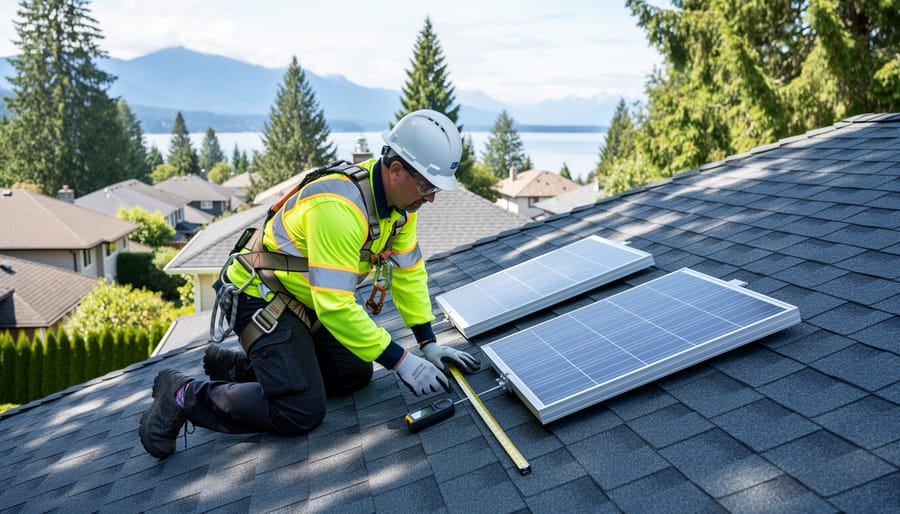
Professional solar panel installers working on residential roof in British Columbia with mountains in background
Certified solar installers in B.C. are experienced with local climate conditions and regulatory requirements for residential installations.

What to Expect During Installation

Installing a solar plus storage system in B.C. typically takes 4-8 weeks from contract signing to final activation, though timelines vary based on system complexity and permit processing.

The process begins with a detailed site assessment and system design. Your installer will then submit permit applications to your local municipality, which usually takes 2-4 weeks for approval. B.C. Building Code compliance and electrical permits are standard requirements. During this waiting period, equipment is ordered and scheduled for delivery.

The physical installation itself generally takes 2-4 days for an average residential system. Electricians will mount solar panels on your roof, install the battery storage unit (often in a garage or utility room), and connect everything to your home’s electrical panel. Weather can affect rooftop work, so expect some flexibility in scheduling during B.C.’s rainy season.

After installation, a final inspection by your local authority and BC Hydro approval for grid connection are required before your system goes live. This inspection ensures safety and proper integration with the electrical grid. Once approved, you’ll receive training on monitoring your system’s performance and maximizing your energy independence. Most B.C. homeowners find the wait worthwhile when they see their first month of clean, self-generated power.

Calculate Your Potential Savings

Ready to see what solar plus storage could mean for your home? Use our interactive solar savings calculator to get a personalized estimate based on your location, energy usage, and roof characteristics. Many British Columbia homeowners are surprised to discover their potential savings exceed $2,000 annually. The tool also helps you understand your system requirements and eligible provincial rebates. Within minutes, you’ll have concrete numbers to inform your decision. Take this first step toward energy independence today and join your neighbors who’ve already made the switch to clean, reliable power.

Achieving a net-zero home in British Columbia isn’t a distant dream—it’s a practical reality available to you today. Solar-plus-storage systems have matured into proven, reliable technology that’s already helping hundreds of B.C. homeowners reduce their carbon footprint while lowering their energy costs. The combination of abundant solar potential across the province, even in cloudier regions, and advanced battery storage means you can generate, store, and use clean energy year-round.

The timing couldn’t be better to make this investment. Federal and provincial incentives are currently available to offset installation costs, making solar-plus-storage more affordable than ever. Beyond the financial savings on your monthly electricity bills, you’re also protecting yourself against future rate increases and power outages while contributing directly to B.C.’s climate action goals.

Families throughout British Columbia—from Vancouver Island to the Interior—have already made the switch and are experiencing the benefits firsthand. Their success stories demonstrate that this technology works in our unique climate and delivers real value. Whether you’re building new or retrofitting your existing home, solar-plus-storage is a smart investment in your property, your community, and our province’s sustainable future.

Ready to start your journey toward energy independence? Connect with certified solar installers through Solar BC to get a personalized assessment, explore available incentives, and discover how solar-plus-storage can work for your home. The path to net-zero starts with a single conversation.


Posted

in

by

Tags: