-
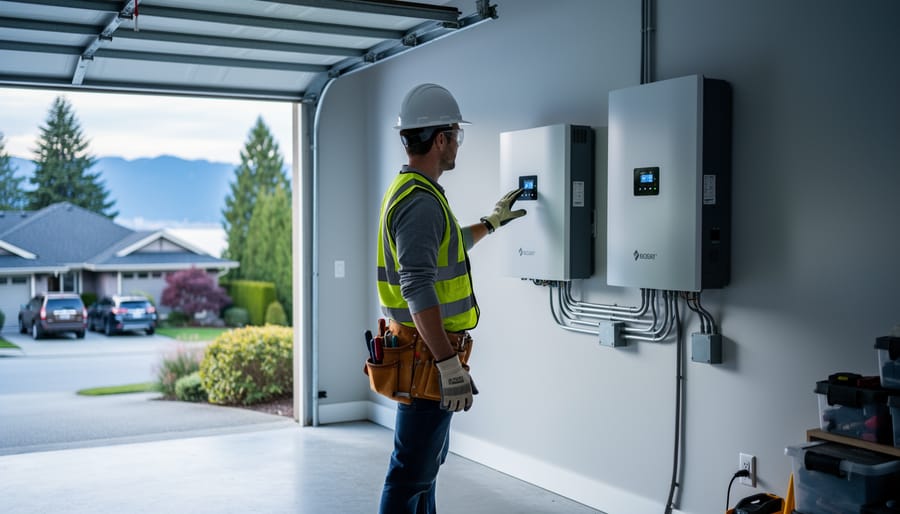
Why Your Solar Battery Storage Project Needs Building Energy Code Approval in BC
Installing battery energy storage in British Columbia requires navigating multiple regulatory layers, and building energy codes form just one piece of this compliance puzzle. These codes establish minimum performance standards for energy efficiency in new construction and major renovations, but they intersect with fire safety, electrical, and permitting requirements when you add battery systems to…
-
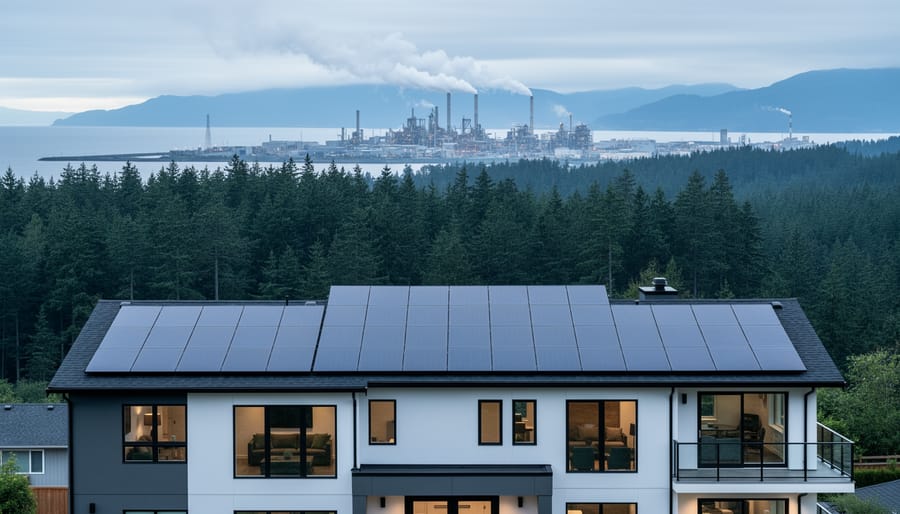
The Environmental Cost of Going Solar (And Why It Still Matters)
Solar panels generate clean energy for 25-30 years, but their manufacturing process involves environmental trade-offs that deserve your attention before installation. The production of photovoltaic cells requires significant energy, water, and raw materials—including silicon mining, chemical processing, and transportation across global supply chains. This reality might seem contradictory when you’re investing thousands of dollars specifically…
-
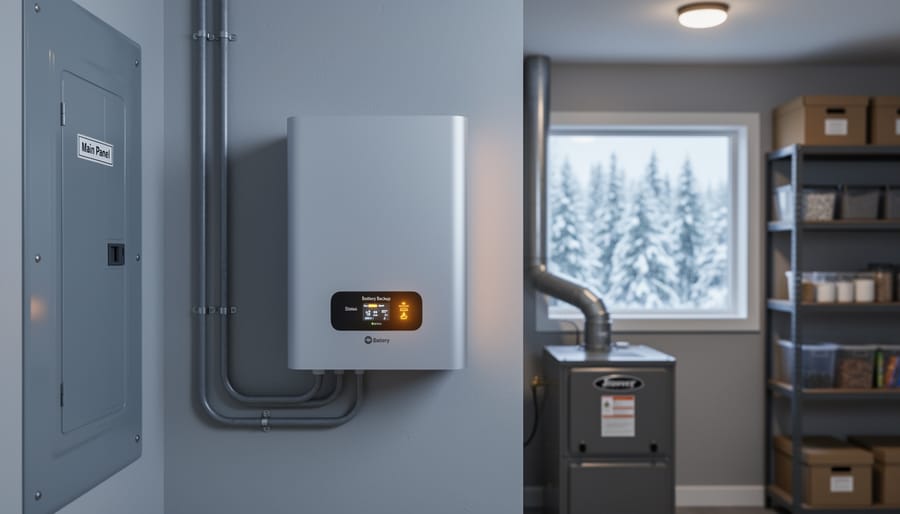
Why a 5kWh Battery Backup Could Be Your Best Investment This Winter
Assess your home’s essential power needs by listing critical appliances you’d run during an outage: a typical 5kWh system powers your refrigerator for 20 hours, keeps lights running for days, and maintains your home’s heating system through most BC winter storms. Calculate your actual backup requirements by adding up the wattage of must-have devices—most BC…
-
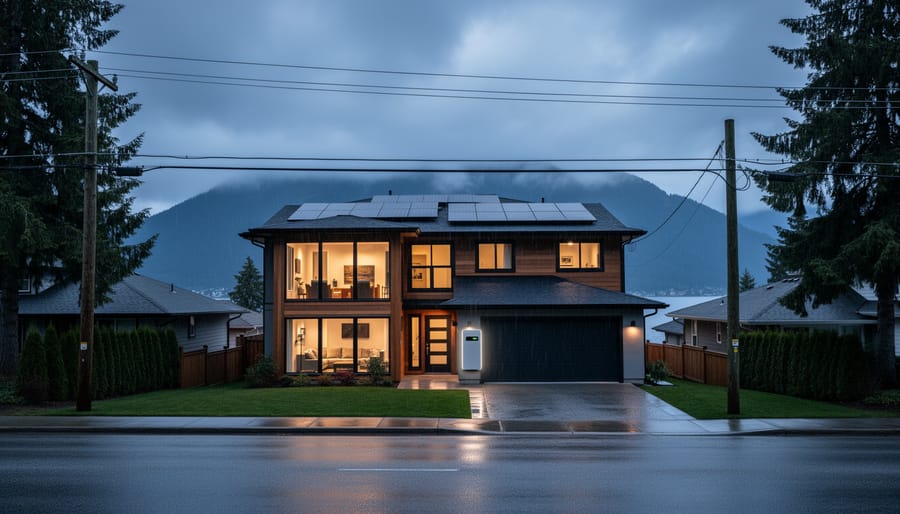
Keep Your Lights On When BC’s Power Grid Goes Down
Power outages across British Columbia increased by 34% between 2019 and 2023, leaving thousands of homes without electricity during critical winter storms and summer wildfire seasons. Solar battery backup systems offer BC homeowners a practical solution: storing excess solar energy during the day to power essential appliances when the grid fails or during expensive peak-rate…
-
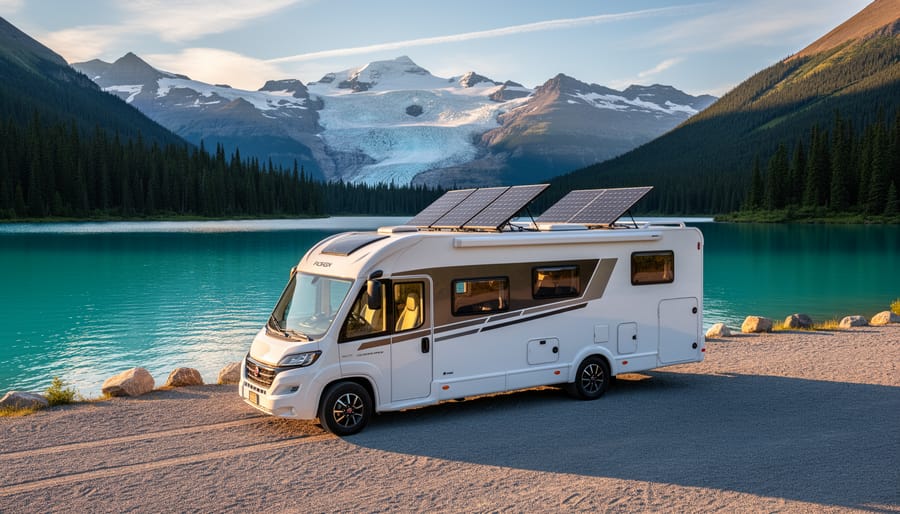
How an RV Off-Grid Solar System Sets You Free (Without Breaking the Bank)
Calculate your daily power consumption by listing every device you’ll run in your RV—from refrigerators and water pumps to phones and laptops—then multiply each item’s wattage by hours of daily use. This baseline number determines whether you need a compact 400-watt system for weekend warriors or a robust 1,200-watt setup for full-time living. Choose lithium…
-
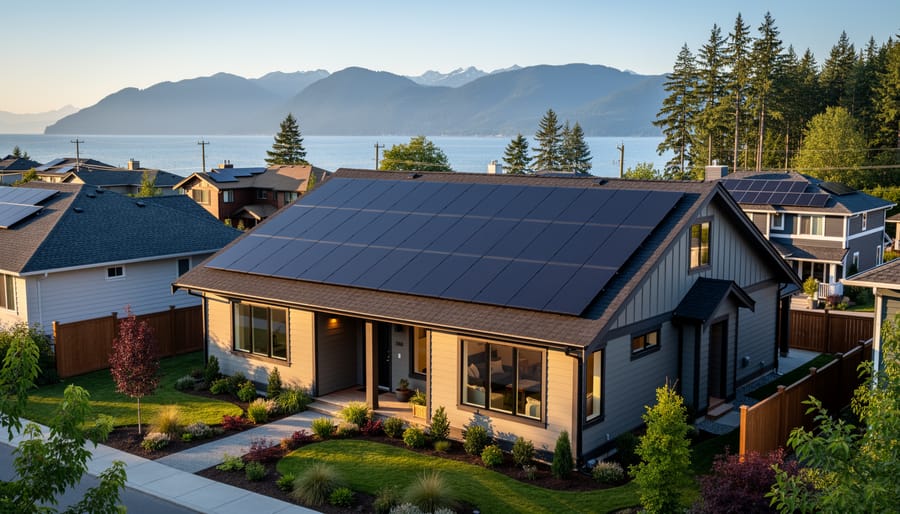
How Net-Zero Energy Homes Are Changing BC’s Solar Landscape
Calculate your home’s annual electricity consumption in kilowatt-hours by reviewing your BC Hydro bills from the past 12 months. A typical British Columbia household uses between 10,000-15,000 kWh yearly, but your actual usage determines the solar system size needed to reach net-zero status. This number becomes your baseline target for solar production. Understand that a…
-
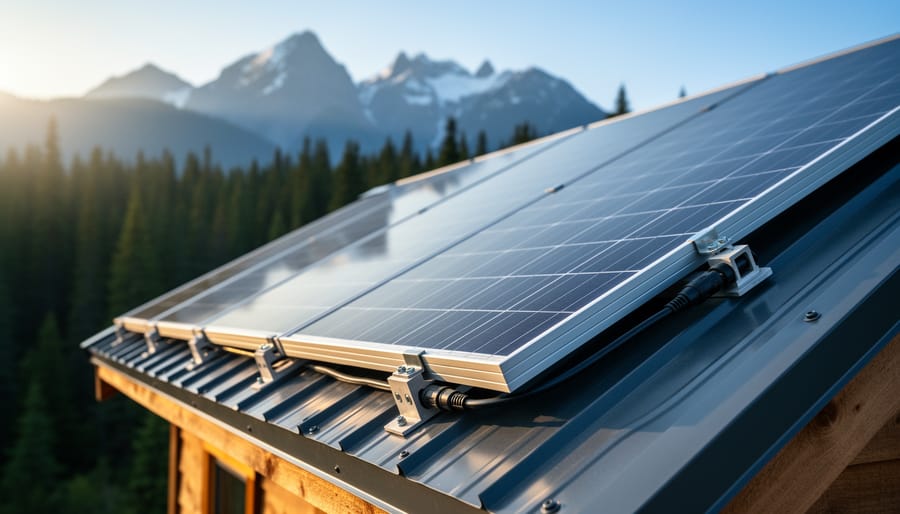
What Voltage Does Your 100-Watt Solar Panel Actually Produce?
A 100-watt solar panel typically produces between 18 and 22 volts under standard test conditions, though the actual voltage output varies based on whether the panel is actively connected to a load. This seemingly simple specification becomes crucial when you’re planning your solar installation in British Columbia, where matching panel voltage to your battery bank…
-

What Actually Happens Inside a Solar Panel Factory
Understanding how solar panels are manufactured empowers you to make informed investment decisions and identify quality products for your British Columbia home or business. The manufacturing process directly impacts panel efficiency, durability, and long-term performance in our unique coastal climate. Examine the silicon purification standards when reviewing manufacturer specifications, as higher-grade polysilicon produces more efficient…
-
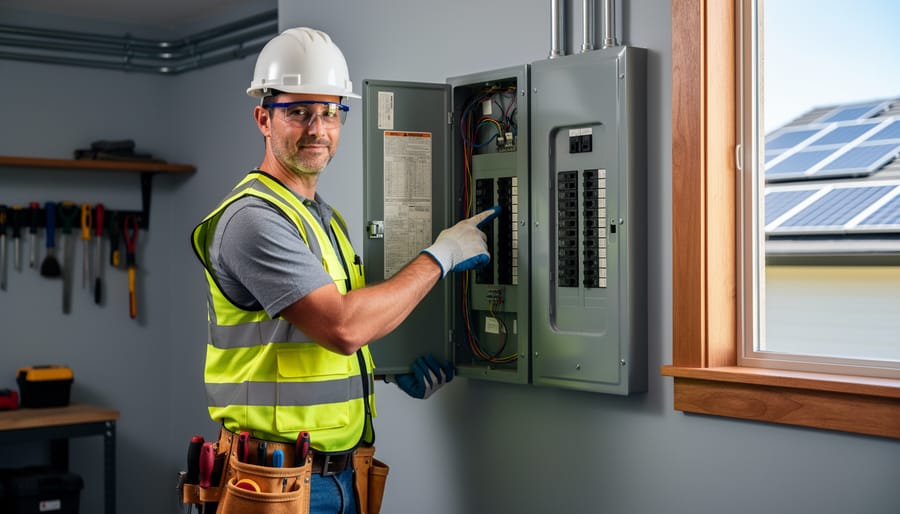
Why Your Home’s Electrical Panel Might Not Be Ready for Solar (And How to Fix It)
Check your electrical panel’s amperage rating before requesting solar quotes—most BC homes need at least 200 amps to accommodate solar installations, and panels below this threshold will require upgrades costing between $2,500 and $4,000. Locate your main breaker and inspect the number printed on the handle; if it reads 100 amps or less, factor panel…
-
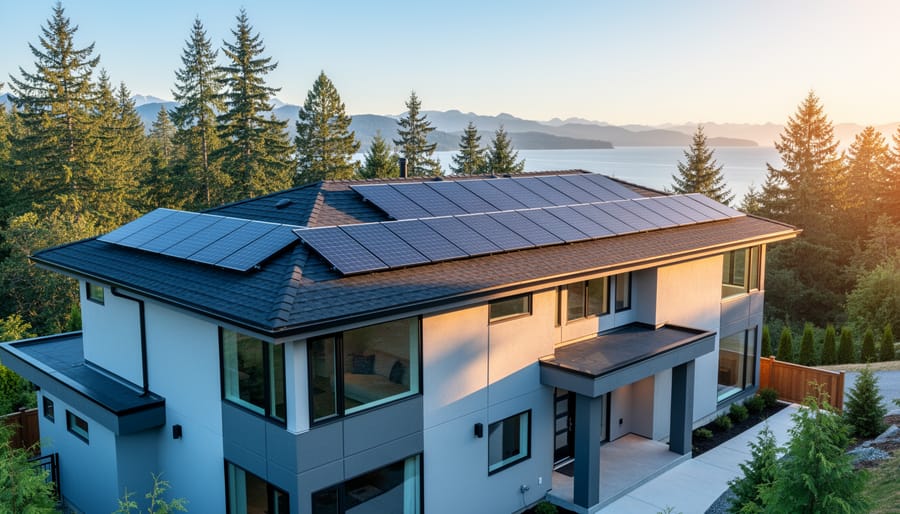
How a 6 kWh Solar System Powers Your BC Home (And Pays for Itself)
Understand that “6 kWh solar system” likely refers to a 6 kW (kilowatt) system, not kilowatt-hours. This common terminology mix-up matters because kW measures your system’s power output capacity, while kWh measures actual energy production over time. A 6 kW solar system in British Columbia typically generates 6,500-7,500 kWh annually, enough to power most average…