
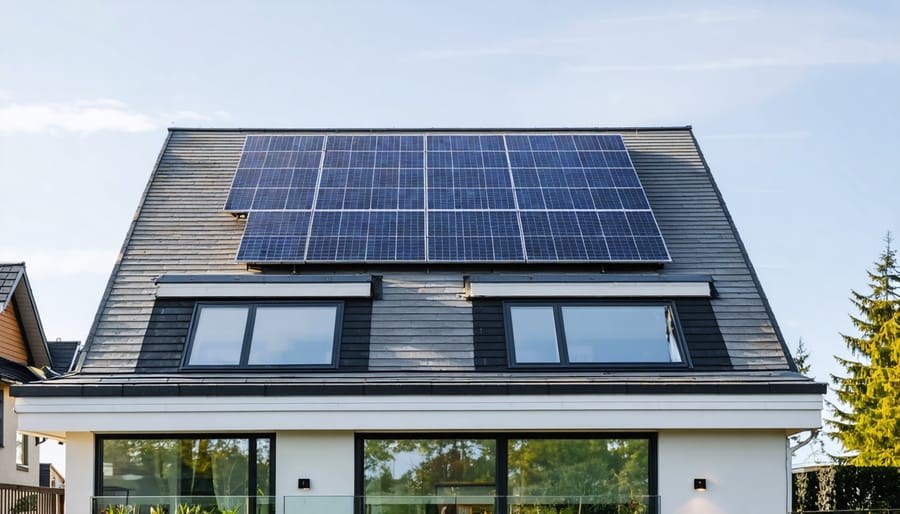
**Expect to invest between $15,000 and $35,000 for a typical British Columbia home solar installation in 2024.** This price range covers a standard 5-10 kW system—enough to power most households—but your actual cost depends on factors you can control and optimize.
**Understanding your specific investment means examining four key variables:** your home’s energy consumption patterns, roof characteristics and sun exposure, equipment quality selections, and available provincial and federal incentives. BC homeowners currently benefit from federal grants covering up to 25% of installation costs, while PST exemptions on equipment further reduce upfront expenses.
**The math works differently for every household.** A family in Kelowna using 10,000 kWh annually will see different payback periods than a Vancouver condo owner with lower consumption. Location matters significantly—Interior BC properties average 300+ sunny days yearly, maximizing system efficiency, while coastal installations require different panel configurations to optimize cloudy-day performance.
**Real local examples demonstrate tangible outcomes.** Surrey homeowners reduced their $2,800 annual electricity bills by 85% with a $22,000 system, achieving payback in under eight years. Victoria businesses report similar success, with commercial installations paying for themselves even faster through demand charge reductions and accelerated depreciation benefits.
**Your next step is getting personalized numbers that reflect your property’s unique potential.**
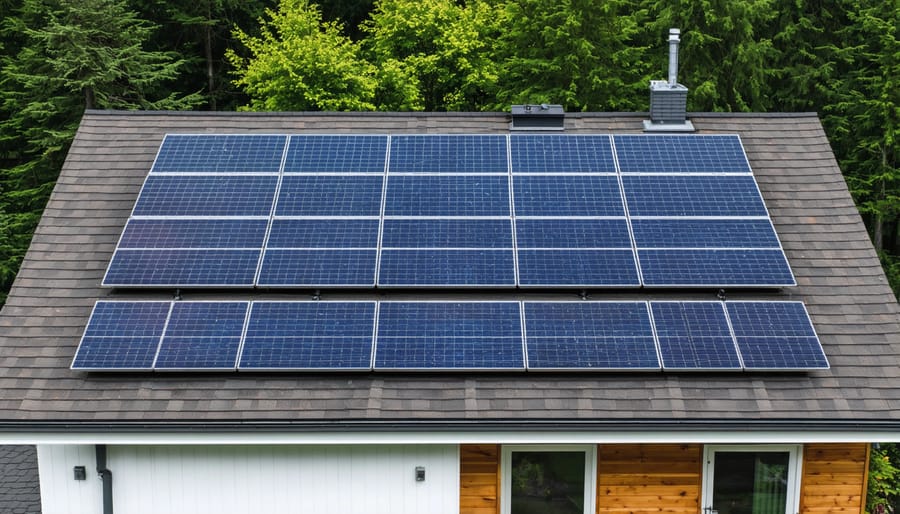
The Real Numbers: Average Solar Installation Costs in BC
Small Homes (3-4 kW Systems)
For smaller homes, condos, or properties with modest electricity consumption, a 3-4 kW solar system typically costs between $9,000 and $14,000 in British Columbia before incentives. This investment usually covers 10-12 solar panels, inverter equipment, mounting hardware, and professional installation.
At this size, you’re generating approximately 3,600-4,800 kWh annually—enough to offset a significant portion of a typical small household’s energy needs. A Victoria homeowner with a 3.5 kW system recently shared that their installation came to $11,500, and after applying available rebates, their out-of-pocket cost dropped to around $9,200.
What’s included in your installation? Expect a complete package: panels with 25-year warranties, electrical work, permit processing, and grid connection coordination. Many BC installers also include monitoring systems so you can track your energy production in real-time.
This system size works well for one or two-person households using roughly 300-400 kWh monthly. If your hydro bills average $60-80 per month, a 3-4 kW system could cover 60-80% of your electricity needs, providing meaningful savings while reducing your carbon footprint.
Average Homes (5-7 kW Systems)
For most BC homeowners, a 5-7 kW solar system represents the sweet spot between investment and energy production. These installations typically cost between $12,500 and $17,500 after federal rebates, covering approximately 60-80% of an average household’s electricity needs.
A family in Kelowna recently installed a 6 kW system for $14,200. Their monthly BC Hydro bill dropped from $150 to just $35, saving them roughly $1,380 annually. With these savings, their solar payback period sits at approximately 10-11 years—well within the 25-year warranty period of most panels.
The size you’ll need depends on your home’s energy consumption, roof space, and sun exposure. South-facing roofs with minimal shading produce optimal results. Many BC homeowners find that combining solar with energy-efficient appliances maximizes their return on investment while reducing their carbon footprint significantly.
Larger Homes (8-10+ kW Systems)
Larger homes with 8-10+ kW systems typically invest between $20,000-$35,000 before incentives. While the upfront cost is higher, these installations benefit from economies of scale—the cost per watt actually decreases as system size increases. A Vancouver Island family with a 10 kW system, for example, paid $2.40 per watt compared to $2.80 for smaller installations in their neighbourhood.
Higher-capacity systems may require electrical panel upgrades ($1,500-$3,000) or roof reinforcement, but they also generate substantial savings. British Columbia homeowners with larger systems often eliminate electricity bills entirely and may qualify for net metering credits. These installations pay for themselves within 10-15 years while significantly reducing your household’s carbon footprint. Consider your actual consumption patterns and future needs, like electric vehicle charging, when sizing your system to maximize both environmental impact and financial returns.
What’s Actually Included in Your Installation Cost
Equipment Costs
Solar panels themselves represent the largest portion of your investment, typically accounting for 25-30% of total costs. In BC, quality panels range from $0.80 to $1.50 per watt, with most homeowners choosing mid-tier options that balance efficiency and affordability.
Inverters, which convert DC power from panels to usable AC electricity, make up another 10-15% of costs. You’ll choose between string inverters ($1,000-$2,500) or microinverters ($200-400 per panel), with many BC homeowners preferring microinverters for our region’s variable weather patterns.
Mounting hardware and racking systems account for roughly 10% of total expenses. These components secure panels to your roof and must withstand BC’s rain, snow, and wind conditions—typically costing $800-$1,500 for average residential installations.
Monitoring systems, while optional, provide valuable insights into your energy production and typically add $300-$500 to upfront costs. Many BC solar owners find these systems helpful for tracking savings and identifying potential issues early. Take the Johnsons in Surrey, who discovered through their monitoring system that trimming a nearby tree increased their production by 12%, maximizing their investment return.
Labor and Installation
Professional installation typically represents 10-15% of your total solar project cost in British Columbia, ranging from $2,500 to $5,000 for an average residential system. This investment covers considerably more than just mounting panels on your roof.
Your installation team handles the physical setup, structural assessments to ensure your roof can support the system, and all necessary electrical connections to integrate with BC’s grid. Licensed electricians perform the critical work of connecting your solar array to your home’s electrical panel and installing the required safety disconnects.
Permitting costs in BC vary by municipality, typically ranging from $200 to $800. Your installer usually manages these applications, navigating local building codes and electrical regulations. In Vancouver, for example, the Kensington family paid $450 in permits but appreciated having professionals handle the paperwork complexities.
Inspection fees, included in most installation quotes, ensure your system meets safety standards and qualifies for BC Hydro’s net metering program. Budget an additional $300-600 for electrical inspections required before your system can connect to the grid. These professionals protect your investment and ensure everything operates safely for decades to come.
Additional Components
Beyond the basic solar panel system, several optional components can enhance your investment while adding to upfront costs. Battery storage systems, ranging from $10,000 to $20,000 in BC, let you store excess energy for evening use or backup power during outages—particularly valuable in rural areas. EV charger integration (approximately $1,500-$3,000 installed) allows you to power your electric vehicle directly from your solar system, maximizing your clean energy benefits. Many Kelowna homeowners are pairing these upgrades together, creating fully integrated sustainable home ecosystems. System monitoring equipment and premium inverters can add another $500-$2,000 but provide real-time performance tracking and enhanced efficiency. While these add-ons increase initial investment, they often deliver stronger long-term savings and energy independence. Consider your current and future needs when deciding which components make sense for your situation.
Five Factors That Increase or Decrease Your Final Price
Your Roof’s Characteristics
Your roof’s characteristics play a significant role in determining installation costs. A south-facing roof with a 30-40 degree angle is ideal for BC’s climate, requiring minimal additional equipment. However, steep slopes, complex angles, or challenging materials like slate or cedar shake can increase labour time and specialized mounting needs, adding $500-$2,000 to your project.
Before installation, your roof should have at least 15-20 years of remaining lifespan—replacing it beforehand prevents costly panel removal later. Metal roofs often reduce installation complexity and cost compared to traditional asphalt shingles. A Vancouver homeowner recently saved $800 by addressing minor repairs before their solar assessment, demonstrating how proactive roof maintenance creates smoother installations. Request a free roof evaluation during your solar consultation to understand any structural considerations specific to your home.
Location Within BC
Solar installation costs vary significantly across British Columbia based on your location. Urban homeowners in Vancouver and Victoria typically pay 10-15% less than rural residents due to competitive installer markets and easier equipment access. Remote and northern communities face higher costs—sometimes $1-2 per watt more—due to transportation challenges and limited local expertise.
Municipal permit fees range from $100-500 depending on your city, with processing times varying from two weeks to two months. Coastal regions may require additional structural assessments for wind and weather resilience, adding $300-800 to your project. The good news? Many BC installers now offer virtual consultations and transparent regional pricing, making it easier to get accurate quotes regardless of where you live. Consider getting estimates from at least three local installers to understand your area’s competitive pricing.
Energy Consumption Patterns
Understanding your household’s electricity usage is the first step in determining the right solar system size for your BC home. Most families use between 8,000 and 12,000 kWh annually, but your specific consumption patterns—when you use power most and seasonal variations—directly impact your ideal configuration. A larger system costs more upfront but maximizes savings if you’re a high-energy household. Review your BC Hydro bills from the past year to identify your average monthly consumption. This data helps installers design a system that matches your actual needs rather than over or under-sizing, ensuring you get the best value for your investment while meeting your clean energy goals.
Panel Quality and Efficiency
Budget solar panels ($0.50-$0.70 per watt) typically offer 15-17% efficiency and 10-15 year warranties, while premium options ($0.90-$1.20 per watt) deliver 20-22% efficiency with 25-year warranties. For BC’s moderate climate with coastal cloudiness, mid-tier panels often provide the best value. A Vancouver homeowner switching from budget to mid-tier panels recovered the $1,500 cost difference through increased energy production in just seven years. Consider your roof space limitations—if you have ample area, budget panels work well; compact roofs benefit from premium efficiency. Calculate your specific savings potential to determine which investment makes sense for your situation and long-term energy goals.
Grid Connection Requirements
Connecting your solar system to BC’s electrical grid typically costs between $500 and $2,000, depending on your utility provider and location. This includes permit fees, interconnection applications, and net metering setup that allows you to receive credits for excess power your panels generate.
Many BC homeowners discover their existing electrical panel needs upgrading to handle solar integration safely. Panel upgrades range from $1,500 to $3,000 but ensure your home meets current electrical codes. A Vancouver Island family recently shared how their 30-year-old 100-amp panel required a 200-amp upgrade, adding $2,200 to their project—but providing peace of mind and increased home value.
Your solar installer will assess these requirements during the initial site evaluation, giving you accurate cost projections upfront. Most reputable companies include grid connection coordination in their service package, simplifying the process considerably.
Incentives and Rebates That Lower Your Out-of-Pocket Cost
Federal Grants and Tax Credits
BC homeowners can significantly reduce their solar installation costs through federal programs designed to support renewable energy adoption. The Canada Greener Homes Grant provides up to $5,000 for eligible solar installations, making your investment more affordable right from the start.
To qualify, you’ll need a pre- and post-installation EnergyGuide evaluation. The process is straightforward: register your home, complete an energy assessment, install your solar system, and submit your final evaluation to receive funding.
Additionally, solar systems qualify for federal tax incentives through accelerated capital cost allowances for businesses. These programs can reduce your overall installation cost by 15-25%, bringing the average $18,000-$30,000 system down to a more manageable $13,500-$25,500.
Many BC families report that combining these federal programs with provincial incentives shortened their payback period from 15 years to just 8-10 years, making solar more accessible than ever.
BC Provincial Programs
British Columbia homeowners can significantly reduce their solar installation costs through several provincial programs. The CleanBC initiative offers various pathways to make renewable energy more affordable, while BC solar rebates can reduce upfront expenses by thousands of dollars.
Local utilities like BC Hydro provide net metering programs, allowing you to earn credits for excess electricity your system generates. Some municipalities offer property tax exemptions for solar installations, further improving your return on investment.
The Canada Greener Homes Grant, combined with provincial incentives, can cover up to $5,000 toward your installation. Many BC homeowners report recovering these rebates within weeks of completing their paperwork—a straightforward process that makes solar surprisingly accessible.
For example, the Thompson family in Kelowna reduced their $18,000 installation cost to just $13,000 after applying available incentives. Check your local utility’s website to discover specific programs in your area and use our solar savings calculator to see how these incentives impact your unique situation.
Municipal and Regional Incentives
Beyond provincial programs, several BC municipalities offer additional incentives that can further reduce your solar installation costs. Vancouver, for instance, provides property tax exemptions for solar equipment, ensuring the added value from your panels doesn’t increase your annual taxes. Similarly, Saanich offers a streamlined permitting process with reduced fees for residential solar installations.
Richmond has introduced a Solar Homes Program offering rebates up to $1,000 for qualifying installations. Victoria residents benefit from expedited permit approvals, cutting wait times from weeks to just days. Meanwhile, Kelowna’s Development Cost Charge exemptions can save homeowners hundreds in municipal fees.
These city-specific programs stack with federal and provincial incentives, creating substantial savings opportunities. Contact your local municipality’s sustainability or planning department to discover what’s available in your area—many programs aren’t widely advertised but can significantly impact your bottom line. The combined savings from multiple incentive layers often reduce total installation costs by 40-50%.
Real BC Homeowners: What They Paid and What They’re Saving
Meet the Sharma family from Surrey, who installed a 7.5 kW system on their 2,400 square foot home in spring 2023. Their total investment was $21,750 after provincial incentives, which they financed through a home equity line of credit at 5.2% interest. “We were nervous about the upfront cost,” says Priya Sharma, “but our monthly loan payment is $195, while our electricity bill dropped from $180 to just $35. We’re actually cash-flow positive from day one.” The family expects to recoup their investment in 11 years and save over $47,000 over the system’s 25-year lifespan.
In Victoria, retired teacher David Chen took a different approach for his 1,800 square foot rancher. He opted for a smaller 5 kW system costing $14,200, paying cash using his retirement savings. “I wanted to eliminate my electricity costs before my pension started,” David explains. His system generates 95% of his annual electricity needs, and he’s saved $1,680 in the first year alone. With BC Hydro’s net metering program, his summer surplus credits cover his minimal winter shortfalls.
Up in Kamloops, the Rodriguez family combined provincial incentives with a community solar financing program, reducing their 8 kW system cost from $24,000 to $18,500. Their higher elevation and sunshine hours mean they’re producing 20% more energy than initially projected. “We generate enough to power our home and charge our electric vehicle,” says Maria Rodriguez. “That’s an extra $200 monthly savings on gas we hadn’t fully factored in.”
These real BC homeowners demonstrate that solar works across different budgets, regions, and financing strategies. Whether you’re in the Lower Mainland, Vancouver Island, or the Interior, countless neighbours are already experiencing significant savings while reducing their environmental footprint.
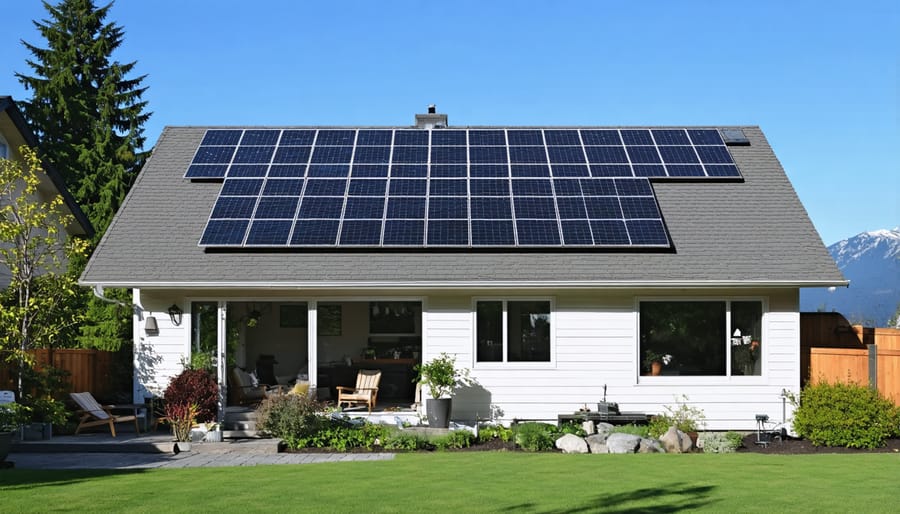
Financing Your Solar Investment
Cash Purchase vs. Solar Loans
Deciding between paying cash or financing your solar installation significantly impacts your overall investment. While cash purchases eliminate interest charges—typically saving 10-20% over a loan’s lifetime—they require substantial upfront capital, usually $15,000-$30,000 for BC homes.
Solar loans make solar accessible immediately without depleting savings. With competitive interest rates ranging from 3-7%, monthly payments often match or fall below your previous electricity bills, creating immediate cash flow benefits. A Vancouver homeowner recently shared how their $240 monthly loan payment replaced a $265 hydro bill, generating savings from day one.
The key consideration? Cash buyers see faster returns (6-8 years), while financed systems still deliver positive ROI over 25+ years of energy production. Many BC residents choose financing to preserve emergency funds while capturing available incentives.
Explore various solar financing options to find the best fit for your budget and timeline. Consider running calculations comparing both scenarios with your specific energy costs.
Home Equity and Green Energy Loans
BC homeowners have several financing options to make solar more affordable without upfront cash. A Home Equity Line of Credit (HELOC) typically offers lower interest rates than personal loans, and the solar installation increases your property value—often offsetting the borrowed amount.
Green energy loans through programs like the BC Sustainable Energy Association provide specialized financing with competitive rates, understanding that your solar panels will generate long-term savings. Some credit unions in BC offer “green mortgages” with preferential terms for energy-efficient home improvements.
The Pemberton family used their HELOC to finance a $22,000 system, with their $180 monthly electricity savings nearly matching their loan payment. Within seven years, they’ll own the system outright and enjoy decades of free power.
Many lenders now recognize solar as a value-add investment rather than just an expense, making approval easier. Calculate your equity position and compare rates from multiple sources to find the best fit for your situation.
Calculate Your Potential Savings
Understanding your potential solar savings starts with a few straightforward calculations that account for your unique situation. Begin by reviewing your current electricity bills to determine your average monthly consumption in kilowatt-hours (kWh). This baseline helps you size the system appropriately and project realistic savings.
Next, consider your home’s solar potential. South-facing roofs with minimal shading typically generate the most energy, while east or west orientations can still deliver solid returns. Your roof’s condition matters too—if replacement is needed within the next decade, factor that into your timeline and budget.
To simplify this process, Solar BC offers an interactive calculator tool that combines your consumption data with local installation costs, available incentives, and BC Hydro rates. Simply input your postal code, average monthly bill, and roof characteristics to receive a personalized estimate. The tool calculates your system size recommendation, upfront costs after incentives, projected annual savings, and payback period.
Most BC homeowners discover payback periods ranging from 10-15 years, with systems lasting 25-30 years. For example, a Vancouver family using 900 kWh monthly might invest $15,000 after rebates and save approximately $1,200 annually—recovering their investment while significantly reducing their carbon footprint.
Remember that rising electricity rates work in your favor over time, potentially accelerating your savings. Take fifteen minutes to explore Solar BC’s calculator today and discover what solar can mean for your household budget and environmental impact.
Getting Accurate Quotes: What to Ask BC Solar Installers
Getting accurate quotes starts with asking the right questions. When contacting BC solar installers, request detailed written estimates that break down equipment costs, labor, permitting fees, and any additional charges. This transparency helps you compare quotes fairly and spot any hidden costs.
Ask each installer about their experience with BC-specific conditions. How many installations have they completed in your region? Can they provide local references or case studies from similar homes? A Richmond homeowner saved $2,000 by choosing an installer familiar with municipal permitting in their area, avoiding delays and extra fees.
Verify credentials and warranties carefully. Ensure installers hold proper licensing and insurance, and ask about workmanship guarantees beyond manufacturer warranties. Most reputable installers offer 5-10 year labor warranties. Request specifics about what’s covered and how service calls are handled.
Discuss equipment options openly. Don’t accept generic “solar panel” descriptions—ask for specific brands, models, and efficiency ratings. Inquire about inverter types and monitoring systems included. Understanding these details helps you evaluate whether quoted prices reflect quality components.
Clarify the timeline and payment structure. When will installation begin and finish? What’s the payment schedule? Be cautious of installers demanding large upfront deposits.
Request post-installation support details. Who handles system monitoring? What’s the response time for issues? How do they assist with CleanBC rebate applications?
Finally, get at least three quotes before deciding. This creates a baseline for fair pricing and gives you negotiating power. Remember, the lowest price isn’t always the best value—balance cost with installer reputation, equipment quality, and comprehensive service offerings that protect your long-term investment.
Making the switch to solar in British Columbia is more than a financial decision—it’s an investment in your home’s future and our province’s environmental well-being. While the average installation cost ranges from $15,000 to $30,000, the combination of federal incentives, provincial programs, and long-term energy savings makes solar increasingly accessible for BC homeowners.
Remember that your specific costs will depend on your energy needs, roof characteristics, and chosen equipment quality. The good news? You don’t have to navigate these decisions alone. Solar BC’s network of certified installers offers free consultations to assess your property and provide personalized quotes tailored to your situation.
Ready to take the next step? Use our interactive solar savings calculator to estimate your potential returns, then connect with local certified installers who understand BC’s unique climate and regulatory landscape. Many homeowners who took action last year are already enjoying reduced electricity bills and the satisfaction of powering their homes with clean energy.
Your solar journey starts with a simple conversation. Reach out today to discover how affordable clean energy can be for your home.