
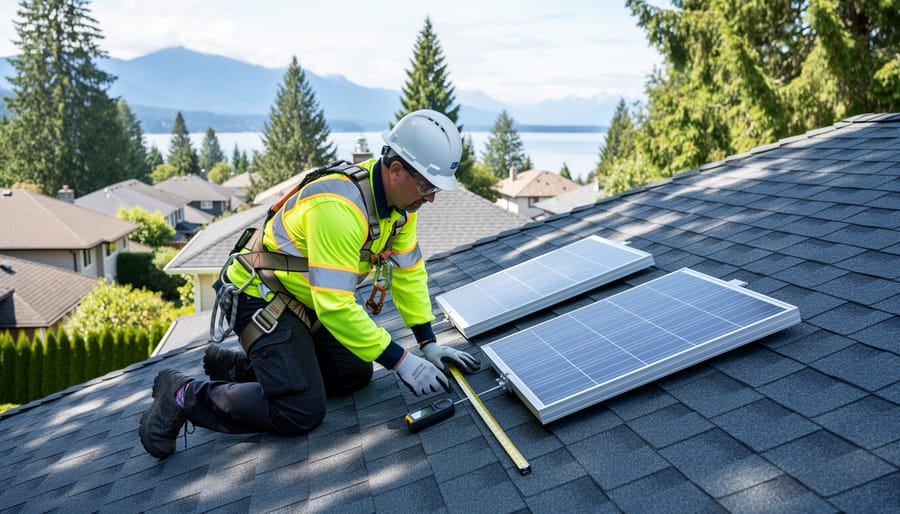
Before committing to solar panels for your BC property, understand what determines installation feasibility. Solar site assessment examines five critical factors: your roof’s structural integrity, available sunlight exposure, shading patterns throughout the year, electrical system capacity, and local building code requirements specific to British Columbia.
Your roof must support an additional 3-5 pounds per square foot of solar equipment weight. Assessors measure roof age, material condition, and load-bearing capacity to determine if reinforcement is necessary before installation. Properties with roofs nearing replacement should address this first, as removing and reinstalling panels later adds $3,000-$5,000 in unnecessary costs.
Sun exposure analysis identifies optimal panel placement by tracking your property’s solar access during peak production hours between 9 AM and 3 PM. South-facing roof sections with minimal shade deliver the highest energy output, but east-west configurations can still achieve 80-85% efficiency in BC’s climate. Nearby trees, buildings, or mountains that cast shadows reduce system performance and may eliminate certain installation areas entirely.
BC’s coastal weather patterns, snowload requirements, and seismic considerations demand specialized structural evaluation beyond basic roof inspections. Professional assessors use detailed measurements and satellite imaging to create accurate production estimates tailored to your specific location, whether you’re in Vancouver’s marine climate or the Interior’s variable conditions.
This comprehensive evaluation process typically takes 1-2 hours onsite and provides the critical data needed to design an efficient, code-compliant solar system that maximizes your investment while protecting your property’s structural integrity.
What Makes BC Roofs Different: Climate and Structural Considerations
Rain, Snow, and Wind: BC’s Weather Impact on Solar Structures
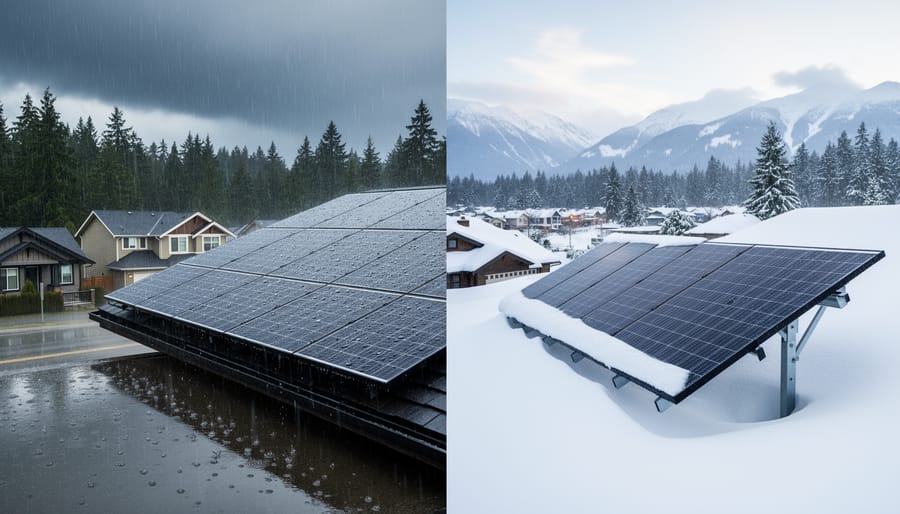
British Columbia’s climate varies dramatically across regions, and understanding these differences is essential when planning your solar installation. Your solar panels need to withstand everything Mother Nature throws at them, which looks quite different in Vancouver than it does in Prince George.
On the coast, rain is the dominant factor. Lower Mainland properties receive substantial rainfall year-round, which means proper drainage systems and waterproofing around mounting hardware become critical. The good news? Modern solar panels are designed to handle wet conditions, and rain actually helps keep them clean and efficient. However, your roof assessment needs to verify that existing drainage can accommodate the panels without creating pooling or leaks.
Interior BC faces different challenges. Communities like Kamloops and the Okanagan deal with intense summer heat and occasional heavy snow. The Thompson-Nicola region can see significant winter accumulation, requiring stronger mounting systems rated for higher snow loads. A home in Revelstoke, for instance, installed reinforced racking systems specifically engineered for their area’s typical snowfall, ensuring panels shed snow naturally while maintaining structural integrity.
Wind loads matter too, especially in exposed locations. Coastal properties near the Strait of Georgia and interior plateau regions experience stronger winds that put stress on mounting systems. Your structural assessment will calculate wind exposure based on your specific location and property characteristics.
The key takeaway? There’s no one-size-fits-all approach to solar in BC. A qualified assessor evaluates your local climate zone, historical weather patterns, and building codes to ensure your system stands strong for decades. This localized approach means your solar investment remains secure and productive regardless of what BC’s diverse weather brings.
Building Codes and Seismic Standards in British Columbia
British Columbia’s building codes incorporate specific requirements that affect solar panel installations, particularly given our seismically active location. The BC Building Code requires all roof-mounted solar systems to meet structural load requirements and withstand the seismic forces common to our region. This means your solar site assessment must evaluate whether your existing roof structure can support not only the weight of the panels but also the additional lateral forces that could occur during an earthquake.
In areas like Metro Vancouver and Victoria, installers follow enhanced anchoring and mounting protocols to ensure panels remain secure during seismic events. Your assessment will examine roof framing, the condition of existing structural elements, and the age of your building, as older homes may need reinforcement before installation.
The good news is that modern solar mounting systems are engineered specifically for earthquake-prone regions. A Surrey homeowner recently shared how their assessment revealed the need for minor roof bracing, which actually improved their home’s overall structural integrity while enabling their solar installation. During your assessment, qualified professionals will identify any necessary upgrades early in the process, helping you budget appropriately and avoid surprises. These safety requirements protect your investment and ensure your solar system performs reliably for decades, even in challenging conditions.
The Solar Site Assessment Process: What Actually Happens
Initial Visual Inspection: Red Flags Assessors Look For
Before any detailed measurements or calculations begin, solar assessors conduct a thorough visual inspection of your roof to identify potential concerns. Understanding these red flags helps you prepare and set realistic expectations for your solar journey.
Structural sagging is one of the most critical warning signs. Even slight dips or uneven rooflines can indicate underlying structural issues that must be addressed before adding solar panels. In BC’s wet climate, prolonged moisture exposure often contributes to these problems, particularly in older homes built with less moisture-resistant materials.
Damaged or deteriorating roofing materials present another key concern. Assessors look for missing, cracked, or curling shingles, visible holes, or signs of water damage like staining or moss growth. BC’s rainy seasons can accelerate roof deterioration, making these issues especially common in coastal communities. If your roof shows significant wear, repairs or replacement should happen before installation to avoid costly removal and reinstallation of panels later.
Age matters considerably in the assessment. Most asphalt shingle roofs last 20-25 years in BC conditions. If your roof is approaching the end of its expected lifespan, assessors typically recommend replacement first. Installing solar panels on a roof that will need replacement in five years doesn’t make financial sense.
The good news? Many BC homeowners who’ve faced these challenges report that addressing roof issues created an opportunity to optimize their solar installation. For example, a Vancouver homeowner combined roof replacement with solar installation, creating a seamless, weather-tight system that will serve them for decades. Being proactive about these red flags ultimately leads to better, longer-lasting solar investments.
Structural Load Calculations: Can Your Roof Handle the Weight?
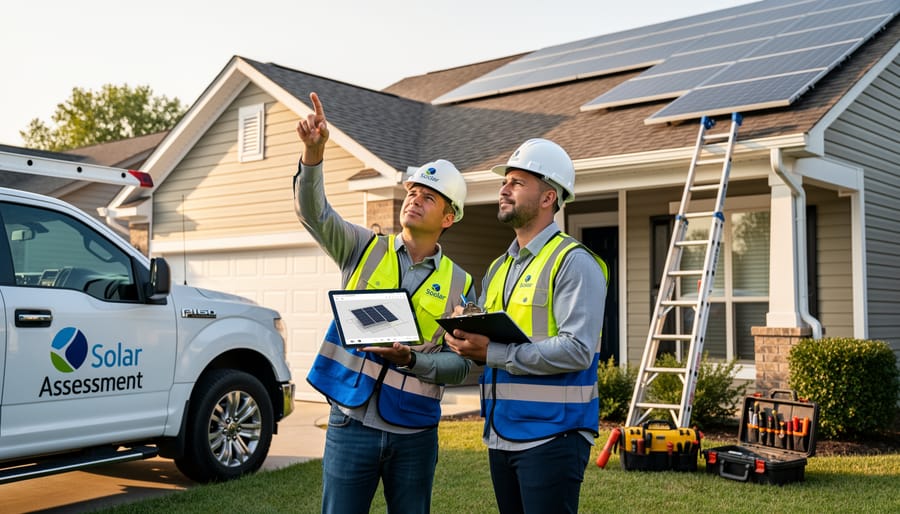
Before installing solar panels on your BC property, understanding whether your roof can safely support the additional weight is essential. The good news? Most residential roofs in British Columbia are built to handle solar installations without modifications, but a professional structural assessment confirms this before any work begins.
Solar panels typically add 2-4 pounds per square foot to your roof’s load. This includes the panels themselves, mounting hardware, and racking systems. For perspective, a standard residential solar array weighs about the same as a fresh layer of asphalt shingles. However, BC’s building codes require roofs to support specific snow loads based on your location, which assessors factor into their calculations.
During a structural evaluation, professionals examine your roof’s framing, trusses, and overall condition. They calculate the combined dead load (permanent weight of panels and mounting equipment) and live load (temporary weight from snow, wind, and maintenance activities). In coastal regions like Vancouver and Victoria, snow loads are minimal, but interior communities such as Kamloops or Prince George require more robust structural considerations.
A recent assessment in Kelowna demonstrated this process perfectly. The homeowner’s 25-year-old roof appeared sturdy, but the inspection revealed aging trusses that needed reinforcement before solar installation. The modest investment in structural support ensured safe panel placement and extended the roof’s lifespan another decade.
If reinforcement is necessary, costs typically range from $1,000 to $5,000 depending on complexity. However, many BC homeowners discover their existing roof structure easily accommodates solar panels without any modifications. Your assessor will provide detailed calculations and recommendations, ensuring your solar investment remains secure for its 25-30 year lifespan.
Roof Material and Condition Evaluation
Your roof’s material and condition play a crucial role in determining both the feasibility and timing of your solar installation. In British Columbia, we typically see three main roofing types, each with its own considerations.
Asphalt shingle roofs are the most common across BC homes. If your shingles are in good condition with at least 10-15 years of life remaining, they’re well-suited for solar panel installation. However, if your roof is nearing the end of its lifespan, it makes financial sense to replace it before installing panels. A Richmond homeowner recently shared how coordinating their roof replacement with solar installation saved them thousands in labour costs, since the mounting system was integrated during the new roof installation.
Metal roofs are increasingly popular in BC, particularly in areas with heavy snowfall. They’re excellent for solar installations because of their durability and typically last 40-50 years. The mounting process differs from asphalt shingles, using clamps rather than penetrating fasteners, which helps maintain the roof’s weather-tight integrity.
Flat membrane roofs, common on commercial buildings and some modern homes, require ballasted mounting systems to avoid puncturing the waterproof membrane. These installations are perfectly viable but need careful assessment to ensure the roof structure can handle the additional distributed weight.
During your site assessment, the evaluator will check for any signs of damage, sagging, or moisture issues that could affect installation. Addressing these concerns beforehand ensures your solar system will perform reliably for decades to come.
When to Replace Your Roof Before Going Solar
If your roof has more than 10 years of wear or shows signs of aging during your solar site assessment, you’ll face an important decision: should you replace it before installing solar panels?
Here’s why timing matters. Solar panels typically last 25-30 years, and removing them to replace your roof later costs between $2,000-$5,000 in BC. If your roof needs replacement within the next decade, combining both projects now saves you these removal and reinstallation expenses.
During your assessment, watch for warning signs like curling shingles, granule loss, or water stains in your attic. A qualified assessor will evaluate your roof’s remaining lifespan and provide honest recommendations. Most BC contractors suggest replacement if your roof has less than 15 years of life remaining.
The cost-benefit calculation becomes clearer with an example. The Thompson family in Kelowna faced this choice when their 18-year-old roof passed inspection but showed moderate wear. By replacing their roof first, they avoided future disruption costs and qualified for a combined project discount from their contractor, saving approximately $3,500.
Timing your roof replacement with BC’s construction season offers additional advantages. Schedule both projects between May and September when weather conditions are ideal and contractor availability is better. This coordination also means a single permitting process and one period of household disruption rather than two separate projects years apart.
Consider financing both projects together. Many BC solar financing programs include roof replacement costs, spreading expenses over time while you start generating solar savings immediately. Some homeowners even find that energy bill reductions help offset their combined monthly payments.
The key takeaway: transparency during your assessment prevents costly surprises later and helps you make the most economical long-term decision for your property.
Beyond the Roof: Site Factors That Affect Your Solar Success
Shading Analysis: BC’s Trees and Your Solar Potential
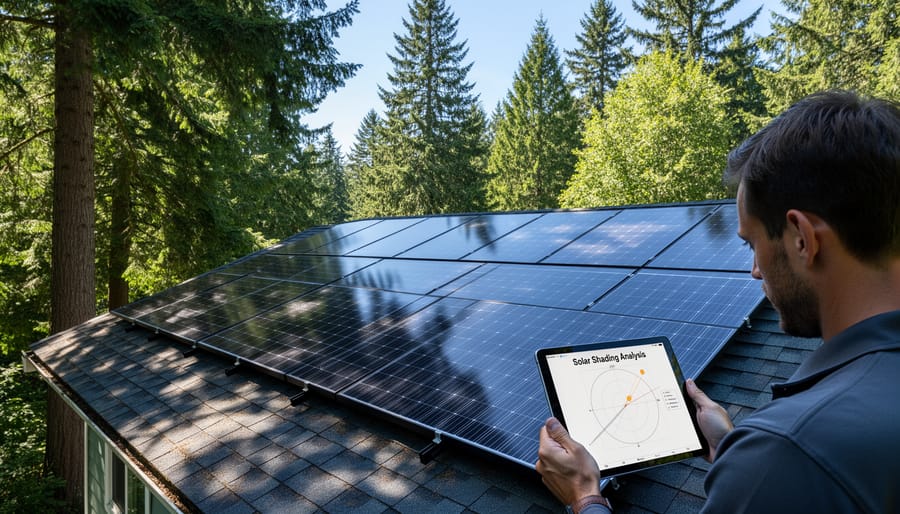
British Columbia’s stunning natural landscape—towering evergreens, mountain ranges, and nearby buildings—can significantly impact your solar potential. Understanding how shadows affect your property is essential for determining whether solar makes sense for your home or business.
Even partial shading can reduce solar panel output considerably. In BC’s forested regions, tall Douglas firs and cedars often cast long shadows, particularly during winter months when the sun sits lower in the southern sky. A tree that seems harmless in summer might block crucial sunlight when you need it most for heating and lighting during darker months.
During a professional site assessment, technicians use specialized tools like solar pathfinders or digital shade analysis software to map sun exposure throughout the year. They’ll identify which obstacles create shading and at what times of day. This data helps determine optimal panel placement and realistic energy production estimates for your specific location.
Sometimes strategic tree trimming can dramatically improve solar access. For example, a Nanaimo homeowner increased their system’s efficiency by 35% after removing just two problematic branches. However, BC residents often face a difficult choice between preserving mature trees and maximizing solar potential.
Mountains present unique challenges in valley communities like the Kootenays or Sea-to-Sky corridor, where afternoon shadows arrive earlier. Your assessment will account for these geographic features, ensuring production estimates reflect your actual conditions rather than theoretical maximums. Understanding your property’s shading patterns helps you make informed decisions about system sizing and expected returns.
Roof Orientation and Pitch in BC’s Latitude
In BC’s northern latitude (around 49-54°N), the ideal solar panel orientation is true south with a tilt angle between 30-40 degrees. This positioning maximizes year-round energy production by capturing the sun’s lower arc across the sky. However, it’s important to know that less-than-ideal setups still generate significant power.
Panels facing southeast or southwest typically produce 90-95% of the energy that south-facing panels generate, making them excellent alternatives. Even east or west-facing installations can achieve 75-80% efficiency, which often meets household needs while providing strong financial returns. A homeowner in Kelowna with a west-facing roof recently shared that their system produces enough energy to offset 85% of their annual electricity costs.
Roof pitch matters too, but BC’s modern solar technology is forgiving. Flat roofs work well with tilted racking systems, while steep pitches above 45 degrees can be accommodated with specialized mounting. The key is working with experienced installers who understand how to optimize your specific situation. Many successful installations across the province prove that perfect south-facing roofs aren’t required. Your assessor will calculate expected production based on your actual roof characteristics, giving you realistic performance projections before making any commitment.
Real BC Examples: Assessment Success Stories
Seeing how solar assessments have worked for real BC properties can help you envision what’s possible for your own home or business. Here are three examples that showcase the diversity of successful solar installations across our province.
In Vancouver’s Mount Pleasant neighbourhood, the Chens wanted to add solar panels to their 1920s Craftsman home with a complex hip roof. Their site assessment revealed that while tree coverage limited southern exposure, a combination of east and west-facing arrays could still capture excellent solar potential. The structural engineer confirmed the roof needed reinforcement before installation, which the Chens incorporated into a planned roof replacement. Today, their 6.5 kW system offsets approximately 75% of their electricity costs, proving that heritage homes can successfully transition to solar energy.
Moving to the Okanagan, a Kelowna homeowner discovered during assessment that their property was ideal for solar. The south-facing roof had perfect pitch, minimal shading, and strong structural integrity. The assessment process took just three weeks from initial contact to final approval. Their 8 kW installation now generates surplus energy during summer months, which feeds back into the grid through BC Hydro’s net metering program. The abundant sunshine in the Interior region means their system performs at peak efficiency nearly year-round.
In Prince George, a commercial warehouse owner was pleasantly surprised when their assessment revealed that their flat roof’s large surface area could accommodate a substantial 25 kW system. Despite concerns about snow loads in northern BC, the structural analysis confirmed the building could handle both panels and winter conditions. Special mounting systems were recommended to optimize the tilt angle and allow for snow shedding. The installation now provides clean energy for their operations while demonstrating that solar works effectively even in BC’s northern climate.
These examples show that successful solar installations happen across BC’s diverse geography and building types, with proper assessment paving the way forward.
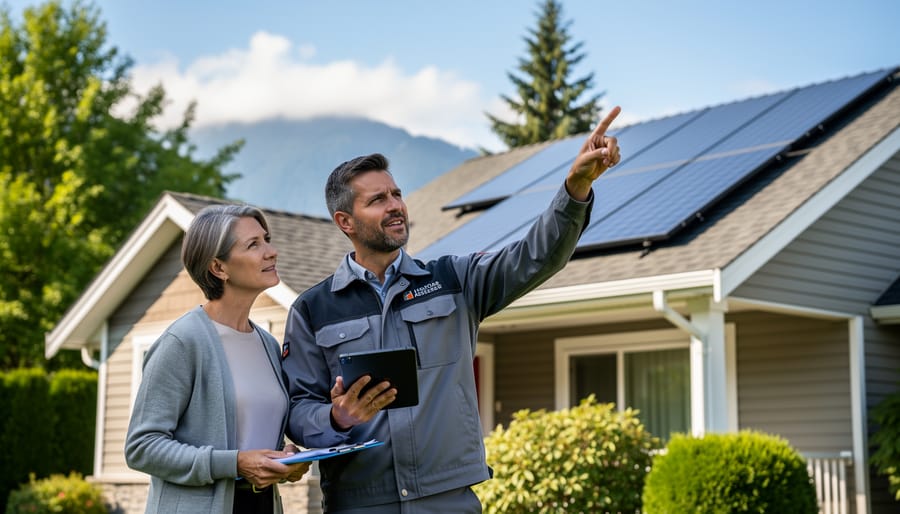
Getting Your Assessment: What to Expect and How to Prepare
Questions to Ask Your Solar Assessor
Before your solar assessor arrives, prepare these essential questions to ensure you’re getting comprehensive service and accurate information. Ask about their certifications and specifically whether they’re familiar with BC Building Code requirements and local permit processes—this expertise can save you significant time and headaches down the road.
Inquire about their experience with properties similar to yours. If you have an older heritage home in Victoria or a modern build in Vancouver, you’ll want an assessor who understands the unique challenges and opportunities your property type presents.
Don’t hesitate to ask how the solar installation might affect your roof warranty. Many BC homeowners have been caught off-guard by warranty complications, so clarifying this upfront is crucial. Request information about what happens if your assessment reveals structural concerns—will they provide contractor recommendations or work with your existing builder?
Finally, ask for a clear explanation of their findings and what the next steps look like. A good assessor will walk you through their report, explain any technical terms, and outline realistic timelines for moving forward. They should also provide estimated costs and potential energy savings specific to your property and BC’s current incentive programs, giving you the actionable information needed to make an informed decision.
Understanding Your Assessment Report
Your solar site assessment report translates technical data into clear recommendations for your property. The document typically includes your roof’s solar potential rating, structural capacity findings, and estimated system size that your property can support.
Look for the “solar viability score” first—this quick reference indicates whether your site is excellent, good, moderate, or unsuitable for solar installation. A good or excellent rating means you can proceed confidently to system design and financing options. Properties with moderate ratings often need minor adjustments like tree trimming or installing specific mounting hardware to improve performance.
The structural assessment section outlines whether your roof can handle solar panel weight and identifies any repairs needed before installation. BC’s wet climate means some older roofs require reinforcement or replacement—plan for these costs upfront to avoid surprises.
If your report recommends roof repairs or modifications, don’t be discouraged. Many BC homeowners have successfully installed solar after addressing these preliminary steps. For example, a Vancouver Island family replaced their aging roof and installed solar simultaneously, maximizing their investment while securing rebates for both projects.
Your report will conclude with next steps tailored to your situation, from obtaining permits to selecting qualified installers. Use this roadmap to move forward with confidence in your solar journey.
A thorough solar site assessment is far more than a preliminary step—it’s the foundation that protects both your property and your long-term investment in clean energy. By evaluating your roof’s structural integrity, understanding shading patterns, and confirming your property meets BC’s specific requirements, you’re ensuring your solar system will perform safely and efficiently for decades to come.
British Columbians who skip or rush through this critical assessment often face costly surprises down the road, from unexpected roof repairs to underperforming systems that fail to deliver promised savings. Conversely, property owners who invest time in proper assessment discover opportunities to optimize their installation, maximize available incentives, and achieve the best possible return on their solar investment.
The good news? You don’t have to navigate this process alone. BC is home to experienced, certified solar professionals who understand our unique climate, building codes, and energy landscape. They can guide you through every aspect of assessment and installation while ensuring your project meets all local requirements.
Ready to take the next step? Connect with certified BC solar installers through Solar BC to schedule your comprehensive site assessment and start your journey toward energy independence with confidence.