
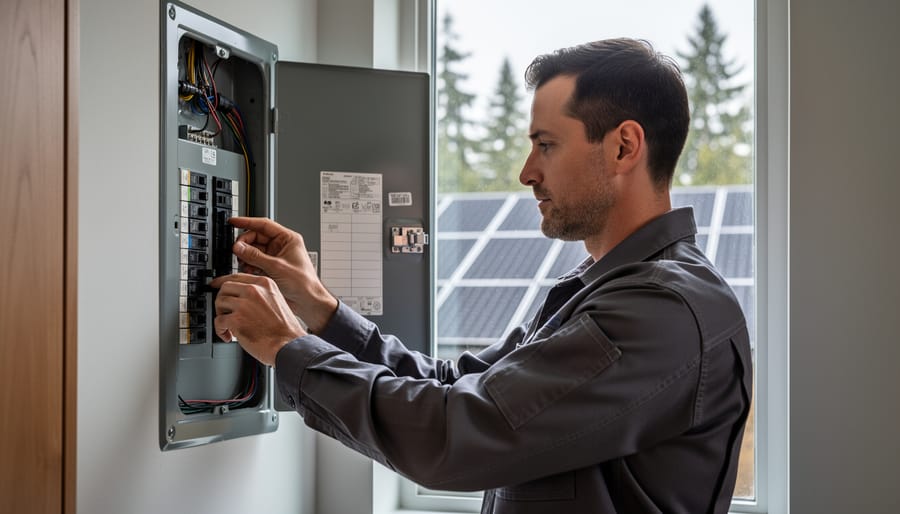
Check your electrical panel’s amperage rating—most homes built before 1990 have 100-amp service, but adding solar panels often requires upgrading to 200-amp service to safely handle the combined load of your household and your new energy system. Look for the main breaker at the top of your panel; if it reads less than 200 amps and you’re planning a solar installation, an upgrade is likely necessary.
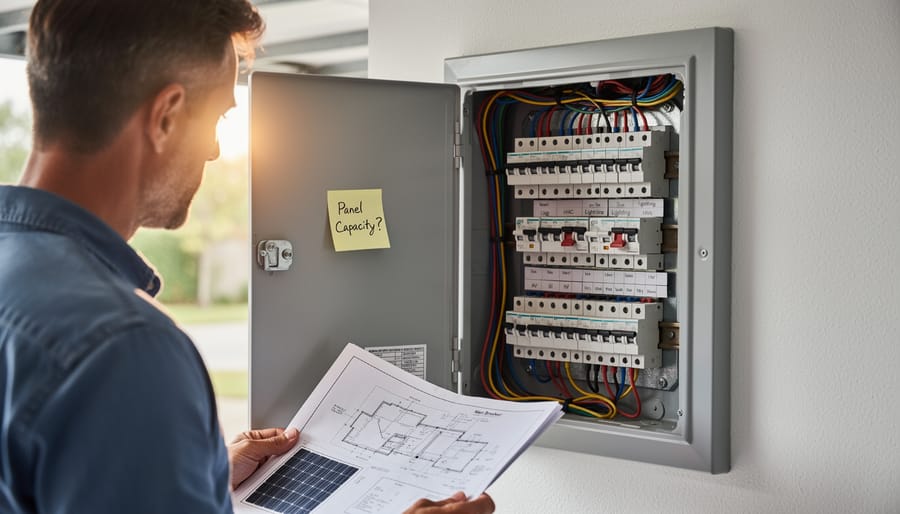
Calculate whether your current system has capacity by adding up the amperage of all your breakers. If the total exceeds 80% of your main panel’s rating, you’re already pushing limits before solar enters the equation. BC homeowners typically discover this during the solar installation process, but addressing it proactively prevents project delays and unexpected costs.
Budget between $2,500 and $5,000 for a standard residential service upgrade in British Columbia, including the new panel, meter base, and utility coordination. This cost varies based on your home’s distance from the street connection and whether your service entrance needs relocation. Many BC solar installers can coordinate the electrical upgrade alongside panel installation, streamlining permits and reducing overall project timelines.
Schedule your utility provider inspection before finalizing solar plans. BC Hydro or your local utility must approve and disconnect service during the upgrade—a process taking 2-4 weeks from application to completion. Coordinating this timeline with your solar contractor ensures your home isn’t without power longer than the 4-6 hours typically needed for the physical upgrade work.
Understanding these requirements now means fewer surprises and a smoother transition to solar energy for your BC home.
What Is an Electrical Service Upgrade and Why Solar Changes Everything
How Solar Energy Affects Your Home’s Electrical Capacity
When you add solar panels to your home, your electrical system transforms from a one-way consumer to a two-way energy hub. During sunny days, your panels generate electricity that flows into your home and, when production exceeds your usage, back out to the BC Hydro grid. This bidirectional flow requires your electrical panel to safely manage energy moving in both directions simultaneously.
To participate in BC Hydro’s program and receive credits for excess power, your home must meet specific net metering requirements. These standards ensure your electrical system can handle the dynamic load changes that come with solar generation. Your main service panel becomes the central junction point where solar power, grid power, and your home’s consumption all meet.
Most older BC homes built before the 1990s have 100-amp electrical service, which was adequate for typical household needs at the time. However, when you add solar panels—typically ranging from 5 to 10 kilowatts—alongside modern appliances like electric vehicle chargers, heat pumps, and air conditioning, that 100-amp capacity becomes strained. The additional circuits required for solar inverters and the increased overall electrical activity mean these homes usually need an upgrade to 200-amp service.
Think of your electrical panel like a highway: 100-amp service is a two-lane road that worked fine for lighter traffic. Adding solar panels and modern electrical demands is like increasing traffic in both directions. Upgrading to 200-amp service creates a four-lane highway with capacity for safe, efficient flow—protecting your investment and ensuring reliable performance for decades to come.
BC Electrical Code Requirements You Should Know
Before installing solar panels in BC, your electrical system must meet current safety standards outlined in the BC Electrical Code. Think of these requirements as essential guardrails that protect your home and ensure your solar investment operates safely for decades.
The code specifies minimum service panel capacities, proper grounding systems, and disconnect mechanisms for solar arrays. Most homes built before 1990 will need upgrades to accommodate solar installations, particularly if your main panel is rated below 100 amps. The good news is that BC has streamlined permitting processes specifically for residential solar projects, making compliance more straightforward than ever.
Your solar installer will coordinate with a certified electrical contractor to ensure all work meets provincial standards. This includes proper labeling of circuits, appropriate wire sizing for your system’s capacity, and installation of required safety disconnects. Inspections by BC Safety Authority representatives verify compliance before your system goes live.
Understanding these requirements upfront helps you budget accurately and avoid surprises during installation. Many BC homeowners discover that necessary electrical upgrades actually improve their home’s overall safety and functionality, creating benefits beyond just solar readiness.
Signs Your Home Needs a Service Upgrade Before Going Solar
Age and Capacity of Your Current Panel
Before planning your solar installation, take a few minutes to assess your electrical panel’s readiness. Start by locating the manufacture date on your panel’s label—most panels over 25 years old should be replaced regardless of solar plans, as they may contain outdated safety features or materials like aluminum wiring.
Next, check the amperage rating, typically displayed on the main breaker. Most modern BC homes have 200-amp service, while older properties often have 100-amp panels. If you’re adding solar plus planning future upgrades like an electric vehicle charger or heat pump, a 200-amp service provides the headroom you’ll need without immediate concerns about capacity.
Count your available breaker slots by opening the panel door (with caution—don’t touch any wires). Solar installations typically require one or two dedicated breakers. If your panel is full, you have options: tandem breakers can create additional slots in some panels, or a subpanel might work for your situation.
The Nelsons in Victoria discovered their 1980s-era 100-amp panel during their solar consultation. Upgrading to 200 amps not only enabled their solar array but positioned them perfectly for their planned EV purchase the following year. This forward-thinking approach saved them from needing a second upgrade down the road, reducing both costs and disruption.
Your Home’s Current Energy Demands
Today’s homes consume significantly more electricity than they did a decade ago. If you’re considering solar installation, understanding your total energy needs is essential for determining whether your current electrical panel can handle the load.
Modern energy-intensive additions include EV chargers, which typically draw 40-50 amps, and heat pumps for heating and cooling, which can require 30-60 amps depending on the size of your home. Add to that upgraded kitchen appliances, home offices with multiple devices, air conditioning units, and hot tubs, and you can see how quickly your electrical demands multiply.
Many BC homes still operate on 100-amp service panels, which were adequate when homes relied primarily on natural gas for heating and cooking. However, when you add solar panels alongside these modern electric loads, your panel needs to accommodate both the incoming solar power and the simultaneous demand from all your appliances and systems.
A practical example: A Vancouver homeowner installing a 7 kW solar array, Level 2 EV charger, and cold-climate heat pump discovered their existing 100-amp panel was insufficient. Upgrading to 200-amp service allowed them to electrify their entire home while maximizing solar benefits and ensuring safe, reliable operation.
Planning Your Electrical Service Upgrade: A Step-by-Step Approach
Getting a Professional Assessment
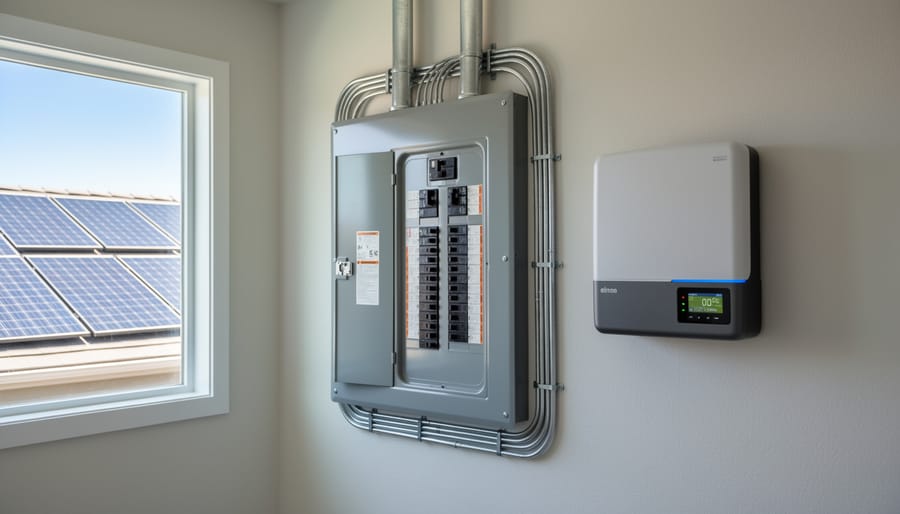
Before moving forward with your electrical service upgrade, it’s essential to get a thorough professional assessment. In BC, qualified electrical contractors should be licensed by Technical Safety BC and carry proper insurance. When scheduling your assessment, expect the electrician to inspect your existing panel, measure your current electrical load, and evaluate your home’s wiring condition.
For solar installations specifically, ask potential contractors about their experience coordinating upgrades with solar projects. Key questions include: How many similar projects have you completed? Can you provide references from solar installations in my area? What’s the timeline for completing the upgrade before my solar installation date? Will the upgrade accommodate future electrical needs like EV charging?
To find qualified professionals, check Technical Safety BC’s contractor registry and request quotes from at least three licensed electricians. Many solar installation companies in BC work with trusted electrical partners and can coordinate both services, simplifying your planning process. Look for contractors who offer transparent pricing and can explain the upgrade process in straightforward terms. Community recommendations through local sustainability groups or neighbourhood forums can also lead you to reliable professionals who understand BC’s specific requirements and climate considerations.
Coordinating Your Upgrade with Solar Installation
Timing your electrical upgrade with your solar installation can save you money and headaches. The best approach is to complete your electrical service upgrade before or during your solar panel installation, rather than after. This bundled approach means you’ll only have one inspection process, reduced labor costs from coordinated scheduling, and a single disruption period for your household.
Many BC solar installers work with licensed electricians and can coordinate both services simultaneously. A Vancouver Island family recently shared that bundling their 200-amp upgrade with their solar installation saved them approximately 15% compared to separate projects, plus they avoided two rounds of permit applications and inspections.
To minimize disruption, schedule your upgrade during mild weather when your heating and cooling needs are lower. Most combined projects take three to five days total. Plan ahead by backing up essential systems, arranging temporary power solutions if needed, and communicating timelines with your household or business.
When requesting quotes, ask solar installers whether they offer bundled electrical upgrade services or have preferred electrical partners. This coordination ensures your new electrical panel is properly sized for both your current needs and future solar production, avoiding costly modifications down the road.
Permitting and Utility Connections in BC
In British Columbia, upgrading your electrical service for solar requires coordination between several parties to ensure everything meets provincial standards. Understanding this process helps you plan effectively and avoid delays.
BC Hydro must approve your service upgrade before installation begins. They’ll assess whether your existing meter base and service equipment can handle the increased capacity. In most cases, you’ll need to submit an application through a licensed electrical contractor, who will coordinate directly with BC Hydro on your behalf. This typically takes two to four weeks for approval.
Your municipality also requires an electrical permit before any work starts. Requirements vary by location—Vancouver, Victoria, and Surrey each have specific documentation needs and fee structures. Your contractor will handle the permit application, but budget approximately $200 to $500 for permit fees depending on your area.
Once the upgrade is complete, an Electrical Safety Authority inspection is mandatory. The inspector verifies that all work meets the BC Electrical Code standards. Only after passing inspection can BC Hydro energize your new service and connect your solar system.
A practical tip from successful solar adopters in Kelowna: start your permit applications early. The Johnsons began their paperwork six weeks before their planned installation date, allowing time for any unexpected requirements. This foresight meant their solar system was generating clean energy right on schedule, with no costly delays or contractor rescheduling fees.
What an Electrical Service Upgrade Actually Costs in BC
Understanding the investment required for an electrical service upgrade helps you budget effectively for your complete solar installation project. In British Columbia, service upgrade costs typically range from $2,000 to $5,000 for residential properties, though your specific situation may fall outside this range.
Several factors influence the final price. The most significant is your current panel capacity and the upgrade size needed. Moving from a 100-amp to a 200-amp service generally costs less than upgrading to 400 amps, which some larger solar installations require. Your home’s age and existing electrical infrastructure also play a role. Older homes with outdated wiring may need additional work beyond the panel replacement itself.
Location matters too. If your main panel sits in an easily accessible spot, labour costs remain lower. Homes requiring longer wire runs or complex installations naturally see higher prices. BC Hydro inspection and permit fees typically add $200 to $400 to your project total, varying by municipality.
When budgeting for solar installation, consider the upgrade as part of your complete system investment rather than an unexpected expense. Many BC homeowners find that combining the electrical upgrade with solar installation creates efficiencies. You’ll only need one set of permits, one inspection process, and one contractor visit for the major work.
Take the Sharma family in Surrey as an example. They budgeted $3,200 for their 200-amp service upgrade alongside their 8kW solar system installation. By coordinating both projects together, they saved approximately $800 in duplicate permit fees and service calls compared to completing them separately.
Request detailed quotes from licensed electricians that itemize materials, labour, permits, and inspection fees. This transparency helps you compare options and avoid surprise costs as your project moves forward.
Incentives and Financing Options for BC Homeowners
Upgrading your electrical service doesn’t have to strain your budget. British Columbia homeowners have access to several programs designed to make these essential improvements more affordable, especially when paired with solar installations.
CleanBC offers the Better Homes and Home Renovation Rebate Program, which provides financial support for energy efficiency upgrades, including electrical system improvements. Homeowners can receive rebates up to $6,000 when combining multiple qualifying upgrades. If your electrical service upgrade is part of a broader home energy retrofit, you may qualify for this incentive.
For solar-specific projects, the Canada Greener Homes Grant provides up to $5,000 for renewable energy installations. While this doesn’t directly cover electrical upgrades, many homeowners strategically combine these funds with local utility rebates to offset the total project cost. BC Hydro occasionally runs programs supporting grid modernization that may include incentives for service panel upgrades.
Financing options have expanded significantly in recent years. Many BC credit unions now offer green home improvement loans with preferential interest rates for energy-related upgrades. The Property Assessed Clean Energy (PACE) program allows homeowners to finance upgrades through their property tax bill, spreading costs over 10-20 years while benefiting from improved home value immediately.
Take action today by visiting the CleanBC website to check current program eligibility and application deadlines. Connect with your local utility provider to ask about available rebates and financing specific to your area. When requesting quotes from solar installers, ask them to help identify which programs apply to your project and assist with applications.
Planning your upgrade around available incentive periods can save thousands of dollars while accelerating your transition to clean energy.
Real BC Homeowners Who Made the Upgrade
When the Martinez family in Saanich decided to install solar panels on their 1970s rancher, they discovered their 100-amp electrical service wouldn’t support their energy goals. “We wanted to add solar and eventually switch to electric vehicles,” explains homeowner David Martinez. “Our electrician explained that our aging panel was already near capacity with our hot tub and electric heating.”
The upgrade process took just two days. BC Hydro disconnected power for approximately four hours while contractors installed a new 200-amp service and modern panel. The family coordinated the work during spring, allowing their solar installation to proceed immediately after. “The total cost for the electrical upgrade was $3,200, which we factored into our overall solar project budget,” David notes. Within their first year, they’ve reduced their electricity bills by 65% and now have capacity for two EV chargers.
Over in Coquitlam, the Chens faced a different challenge with their 1990s townhome. Their 100-amp service seemed adequate until their solar assessment revealed they’d need significant capacity for their planned 8kW system plus future home additions. “We were planning a basement suite, so the upgrade made sense beyond just solar,” says homeowner Lisa Chen.
Their strata required additional approvals, extending the timeline by three weeks, but the electrical work itself was completed in one day. The upgraded 200-amp service cost $2,800, and BC Hydro’s net metering approval came through within two weeks. “What surprised us most was how straightforward everything became once we had the right electrical capacity,” Lisa reflects. “Our solar system now generates enough power that we’re sending excess back to the grid most months.”
Both families recommend getting your electrical assessment done early in the solar planning process. Understanding your service capacity upfront prevents delays and helps you budget accurately for your complete renewable energy transition.
Future-Proofing Your Electrical Service for Tomorrow’s Technology
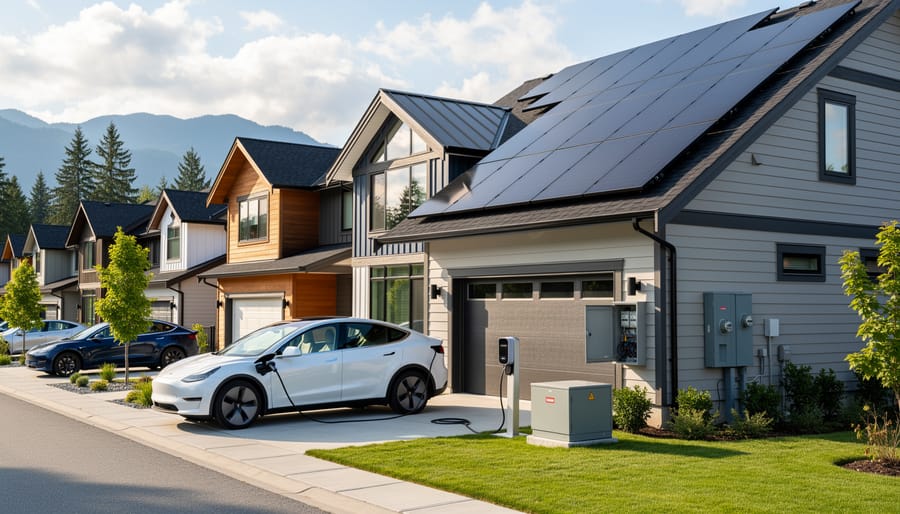
As BC moves toward a cleaner energy future, planning your electrical service upgrade with tomorrow’s technology in mind can save you significant time and money. Think beyond your immediate solar installation needs and consider what your household might require in the next 5-10 years.
The BC Energy Step Code and CleanBC initiatives are accelerating home electrification across the province. This means more homeowners are switching from gas furnaces to heat pumps, replacing gas water heaters with electric models, and adding induction cooktops. Each of these changes increases your electrical demand. When upgrading your panel today, sizing it to accommodate these future transitions prevents the need for costly repeat upgrades.
Battery storage is becoming increasingly popular in BC, especially in areas prone to weather-related outages. Modern panels should include space and capacity for battery backup systems, typically requiring 30-50 additional amps depending on the system size.
EV adoption is another key consideration. While one Level 2 charger draws about 40 amps, families increasingly need capacity for two vehicles. Planning for dual EV charging capability now—even if you only install one charger initially—ensures your panel can handle future demand without modification.
Consider the Campbell River family who upgraded to a 200-amp panel for their initial solar installation. By planning ahead, they easily added a heat pump and second EV charger two years later without touching their electrical panel again. This forward-thinking approach saved them approximately $3,000 in avoided upgrade costs and weeks of disruption.
Upgrading your electrical service isn’t just about meeting code requirements for solar installation—it’s a strategic investment in your home’s future value and energy independence. A modern electrical system increases your property’s market appeal, provides the capacity for additional energy-efficient upgrades like heat pumps or electric vehicle chargers, and positions your home for decades of sustainable energy use. British Columbia homeowners who have completed service upgrades alongside solar installations consistently report greater confidence in their home’s ability to handle evolving energy needs while reducing their reliance on the grid.
The upfront cost of an electrical service upgrade may seem significant, but when combined with solar installation, many BC residents find that provincial incentives, federal grants, and long-term energy savings create a compelling return on investment. Real families across the province have transformed their relationship with energy, moving from passive consumers to active producers who generate clean electricity while enjoying modern electrical infrastructure that supports their lifestyle.
Ready to take the next step? Solar BC offers interactive tools to help you calculate your potential savings and understand what upgrades your home might need. Our directory of certified installers connects you with trusted professionals who understand BC’s unique requirements and can coordinate your electrical service upgrade seamlessly with your solar installation. Don’t navigate this process alone—explore Solar BC’s resources today to find the right installer, access current incentive programs, and start your journey toward energy independence with confidence.