

Check your utility’s hosting capacity map before investing in solar panels—these interactive tools show exactly how much solar power the electrical grid can accept at your specific address. BC Hydro and FortisBC publish updated maps that display available capacity using color-coded zones, allowing you to determine within minutes whether your property faces potential interconnection delays.
Request a detailed pre-application report if your location shows limited capacity. This free assessment from your utility provider reveals precise technical constraints and may identify solutions like equipment upgrades or alternative connection points that weren’t apparent on the general map.
Explore community solar programs or battery storage options when facing capacity restrictions. Many BC neighborhoods with constrained grids still accommodate solar installations when paired with energy storage systems that reduce grid impact during peak hours, transforming a potential roadblock into an opportunity for greater energy independence.
Understand that hosting capacity changes frequently as the grid evolves. A location showing low capacity today might have openings next quarter after planned infrastructure upgrades or when nearby solar installations are completed and actual grid impacts are reassessed.
These capacity maps emerged from a practical challenge: utilities needed systematic methods to manage the rapid growth of distributed solar while maintaining grid reliability. Rather than evaluating every application through lengthy engineering studies, hosting capacity analysis identifies how much generation each circuit section can handle based on voltage limits, thermal constraints, and protection systems.
For British Columbians pursuing clean energy goals, these maps serve as essential planning tools. They transform abstract interconnection processes into transparent, accessible information—empowering you to make informed decisions about solar investments while understanding the broader grid context that affects your specific property.
What Are Hosting Capacity Maps?
Hosting capacity maps are visual tools that show how much distributed solar energy different areas of the electrical grid can safely accommodate before requiring upgrades. Think of them as a traffic light system for your neighborhood’s power lines—green zones indicate plenty of room for new solar installations, yellow suggests limited capacity, and red means the local grid is currently at or near its limit for accepting more solar power.
Utilities across North America, including BC Hydro and FortisBC, create these hosting capacity maps to manage the integration of renewable energy into the existing electrical infrastructure. When homeowners and businesses add solar panels, they’re essentially turning their properties into mini power plants that feed electricity back into the grid. While this is excellent for clean energy goals, the distribution grid—the network of power lines serving local neighborhoods—wasn’t originally designed to handle electricity flowing in both directions.
- Hosting Capacity
- The maximum amount of solar generation that can be connected to a specific section of the electrical grid without causing technical problems or requiring infrastructure upgrades.
- Distribution Grid
- The local network of power lines and equipment that delivers electricity from main transmission lines to homes and businesses in your neighborhood.
- Interconnection
- The process of connecting your solar system to the utility grid, allowing you to both draw power when needed and send excess solar energy back to the grid.
These maps reveal important limitations about grid capacity in different areas. A neighborhood with older infrastructure or many existing solar installations may have limited hosting capacity, which could affect your solar installation process. Conversely, newer developments or areas with recent grid upgrades typically show higher capacity for new solar connections. Understanding these maps helps you make informed decisions about solar adoption in your specific location, potentially saving time and avoiding unexpected delays during installation.
Residential solar installations in BC must connect to local distribution grids, which have varying capacity to accept solar energy depending on location and existing infrastructure.
Why BC Solar Projects Get Stuck in Queues
The Hidden Grid Limitations
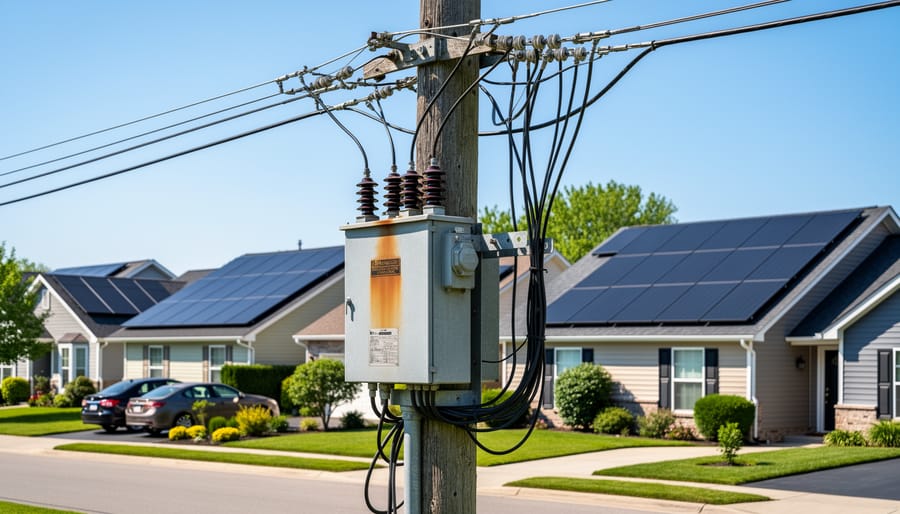
Think of your neighbourhood’s electrical grid like a neighbourhood street. Just as a residential road can only handle so many vehicles before it becomes congested, the distribution lines serving your area can only accommodate a certain amount of solar energy flowing back into the system.
When solar panels generate more electricity than your home uses, that excess power flows back through the transformer on your street and into the broader grid. However, these transformers and distribution lines were originally designed decades ago with the assumption that electricity would only flow one way: from the utility to your home. Adding solar reverses this flow, and too much can create several technical challenges.
The main constraints include voltage regulation issues (when excess solar causes voltage levels to rise beyond safe operating limits), thermal limits (the physical amount of current that wires and transformers can handle without overheating), and protection system complications (ensuring safety equipment works correctly with two-way power flow).
In many BC neighbourhoods built before the solar boom, these systems have limited capacity for additional solar installations. A single street might only accommodate three to five solar systems before reaching its technical limit, even though a dozen homes might want to go solar.
This doesn’t mean solar is impossible in these areas. It simply means utilities need to understand where upgrades are necessary and homeowners need to know what they might face during the interconnection process.
How Queue Management Works Today
When you apply to connect a solar system to BC’s electrical grid, your application enters a queue managed on a first-come, first-served basis. This approach seems fair on the surface—whoever applies first gets processed first. However, as solar adoption accelerates across British Columbia, this system is creating unexpected bottlenecks.
Here’s the challenge: a single large solar project application can reserve substantial grid capacity in a specific area, even during the lengthy approval and construction phase. Meanwhile, homeowners and smaller businesses with shovel-ready projects wait in line behind these larger applications, sometimes for months or even years. This creates frustrating delays for residents eager to reduce their carbon footprint and energy costs.
The current queue system doesn’t account for project readiness or community benefit. A commercial development that might take two years to complete holds the same queue position as a residential installation that could be operational in weeks. As BC works toward its clean energy goals, this outdated approach increasingly conflicts with the urgency of climate action. Understanding hosting capacity maps helps you see where these constraints exist before you invest time and money in your solar journey, potentially saving you from disappointing delays.
How Hosting Capacity Maps Help You Plan Smarter
Reading the Maps: Green, Yellow, and Red Zones
Hosting capacity maps use a simple traffic light system to show grid availability in your area. Understanding these color codes helps you quickly assess whether your property is ready for solar installation or if you’ll need to explore additional options.
Green zones indicate excellent hosting capacity. The electrical grid in these areas can readily accommodate new solar installations without requiring upgrades. If your property falls within a green zone, you’re in an ideal position to move forward with your solar project. The interconnection process typically proceeds smoothly, and you can expect fewer delays or technical complications.
Yellow zones signal moderate capacity with some limitations. While solar installation remains possible, you may encounter additional requirements such as detailed engineering studies or minor grid modifications. Don’t let a yellow zone discourage you. Many successful BC solar installations happen in these areas. For example, a small business in Kelowna navigated yellow zone requirements by working closely with their utility provider and ultimately installed a system that now powers 80 percent of their operations.
Red zones indicate limited current capacity. This doesn’t necessarily mean solar is impossible for your property, but it does require creative solutions. Options include battery storage systems that reduce peak-time grid impact, smaller system sizes, or waiting for planned grid upgrades in your area.
Remember that hosting capacity changes over time as infrastructure improves and other users modify their energy consumption. Always verify current status directly with your utility provider before making final decisions about your solar investment.
Finding Your Location’s Solar Potential
Checking your property’s solar potential starts with understanding whether your local grid can accommodate new renewable energy connections. Fortunately, BC’s major utilities have made this process straightforward through their online hosting capacity maps. Here’s how to determine your location’s status:
- Visit your utility provider’s website. BC Hydro and FortisBC each maintain interactive hosting capacity maps accessible to the public.
- Enter your property address or click on the map to locate your specific area. The tool will show you the distribution circuit serving your location.
- Review the capacity indicator. Most maps use a color-coded system: green typically means ample capacity available, yellow indicates limited capacity, and red signals that the circuit is currently at or near its limit.
- Note any additional details provided, such as estimated available capacity in kilowatts or anticipated timeframes for grid upgrades.
Understanding these results helps you plan your next steps effectively. If your area shows green or yellow status, you’re in a strong position to move forward with solar planning. Consider reaching out to certified solar installers who can provide detailed assessments and guide you through the interconnection process.
For properties in red zones, don’t be discouraged. Many BC homeowners have successfully navigated capacity constraints through strategic system sizing, battery storage solutions, or timing their installations to coincide with planned utility upgrades. The Sunshine Coast community, for example, saw several successful installations in 2023 despite initial capacity concerns, working collaboratively with local utilities to find creative solutions.
Real Stories: BC Solar Projects and Grid Capacity
Understanding how hosting capacity affects real people makes this concept much clearer. Here are two experiences from British Columbia homeowners that illustrate why checking grid capacity matters before moving forward with solar.
Sarah Chen owns a small bakery in Kelowna and had been planning to install a 25 kW solar system to offset her commercial ovens’ energy consumption. Before signing contracts with an installer, she asked her local utility about grid capacity in her area. The utility confirmed that her street had sufficient hosting capacity, and her interconnection application was approved within three weeks. Sarah’s system was operational within two months of her initial inquiry. By checking capacity early, she avoided delays and had her panels generating power before the summer rush when her bakery uses the most electricity. Her proactive approach saved her from potential project delays and allowed her to lock in federal incentive programs before their deadlines.
In contrast, the Martinez family in Surrey learned about hosting capacity the hard way. They signed a contract for a 10 kW residential system in early 2023, excited to reduce their electricity bills. However, they hadn’t checked their neighbourhood’s grid capacity beforehand. After submitting their interconnection application, they discovered their local distribution circuit was at maximum capacity. Their utility required additional grid studies and potential infrastructure upgrades before approval. What the family expected to be a three-month project stretched to nearly nine months, with several periods of uncertainty about whether their system could connect at all. Eventually, the utility approved a smaller 7 kW system that fit within available capacity, but the family had to renegotiate their contract and revise their energy savings expectations.
These stories highlight a simple truth: checking hosting capacity before committing to a solar installation can save time, money, and frustration. Whether you’re a business owner like Sarah or a homeowner like the Martinez family, understanding your local grid’s capacity helps you set realistic timelines and avoid unexpected obstacles. A quick conversation with your utility or installer about available capacity should be among your first steps when considering solar.
What to Do If Your Area Has Low Hosting Capacity
Discovering that your area has low hosting capacity doesn’t mean your solar dreams are over. Several practical alternatives can help you move forward with your renewable energy goals while working within grid constraints.
One effective approach is to right-size your solar system to match available capacity. Rather than installing the maximum system your roof can accommodate, work with your installer to design a smaller array that fits within current grid limits. While this reduces your immediate energy offset, it gets you started with solar now, and you can often expand later when capacity improves. Many BC homeowners have successfully adopted this phased approach, beginning with a 5-6 kW system and adding more panels as grid upgrades occur.
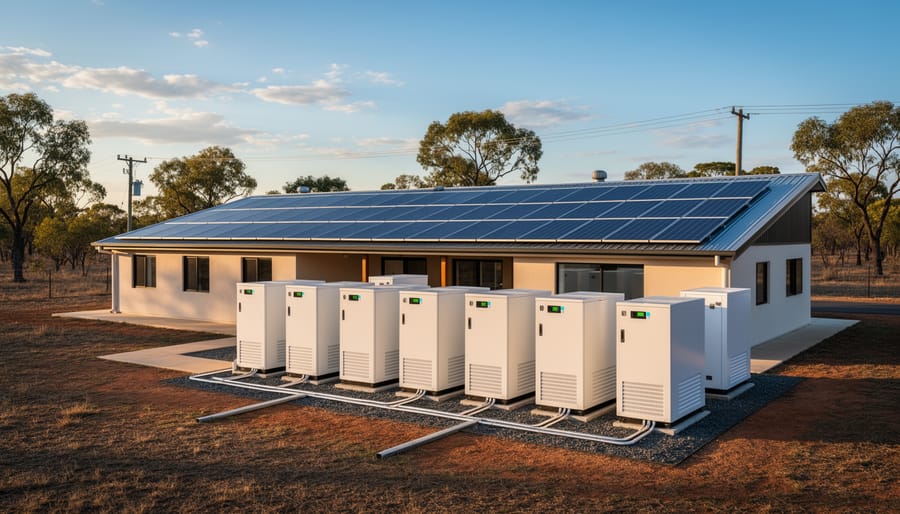
Pairing solar with battery storage options presents another compelling solution. Battery systems store excess energy on-site rather than sending it back to the grid, which can reduce interconnection concerns. Some utilities view solar-plus-storage more favorably in constrained areas because batteries help balance grid demand. A family in Langley recently installed a 7 kW solar system with battery backup in a capacity-limited neighbourhood, allowing them to maximize their solar investment while providing backup power during outages.
Consider these additional strategies if you’re facing capacity constraints:
- Explore community solar programs where you can invest in shared solar projects located in areas with available capacity
- Request information from your utility about planned grid upgrades and estimated timelines for capacity improvements
- Participate in utility modernization programs that may fast-track upgrades in exchange for specific system configurations
- Install your system in phases, starting with available capacity and expanding as constraints ease
Don’t hesitate to engage directly with your utility provider. Some BC utilities offer programs where multiple interested solar customers in a neighbourhood can collectively fund grid improvements, sharing costs while unlocking capacity for everyone. This collaborative approach has opened opportunities in several communities across the province.
Finally, staying informed about your area’s capacity status is important, as utilities regularly update their infrastructure. What shows low capacity today might improve within 12-18 months as grid modernization continues across British Columbia.
Working With Your Certified Installer
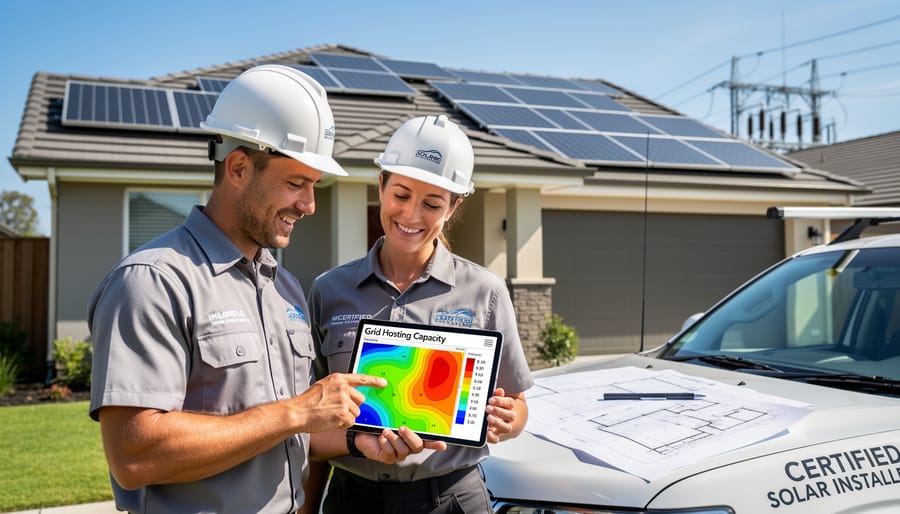
Your certified solar installer is your best resource for navigating hosting capacity information and ensuring your project connects smoothly to the grid. Professional installers in BC regularly work with hosting capacity data during their project planning phase, using these maps to identify potential grid constraints before submitting interconnection applications.
During your initial consultation, your installer will typically check the hosting capacity status for your location as part of their feasibility assessment. This early review helps them design a system that matches both your energy goals and the grid’s technical capabilities. If capacity is limited, experienced installers can propose alternative approaches, such as optimizing system size, incorporating battery storage, or exploring upgrade options with your utility provider.
To make the most of your consultation, ask these important questions: Does my area have sufficient hosting capacity for my desired system size? If capacity is limited, what alternatives would you recommend? Have you successfully completed projects in areas with similar grid constraints? What timeline should I expect for interconnection approval?
A quality installer will also help you understand how hosting capacity might affect your project’s economics. For instance, if you need to install a smaller system due to capacity limits, they can explain how this impacts your potential savings and help you explore BC solar incentives that maximize your return on investment.
Remember, installers who are familiar with your local utility’s processes can often streamline the interconnection process and anticipate potential issues. Many BC installers have successfully navigated capacity-constrained areas and can share case studies of how they’ve helped clients in similar situations. Don’t hesitate to ask for references from projects in your neighborhood or with comparable grid conditions.
Hosting capacity maps are powerful tools that remove uncertainty from your solar journey. By understanding your location’s grid capacity before you invest time and money, you can make confident decisions about solar adoption. These maps transform what was once a complex technical question into a simple, accessible answer for homeowners and businesses across British Columbia.
Whether your area shows green, yellow, or red capacity, options exist to move forward with solar. From optimizing system size to exploring battery storage solutions, the path to renewable energy remains open. The key is starting with accurate information about your specific location.
Ready to take the next step? Check your property’s hosting capacity status and connect with Solar BC’s network of certified installers who understand local grid conditions and can design the right system for your needs. Our team can help you navigate capacity challenges, access available incentives, and join the growing community of British Columbians powering their homes and businesses with clean, renewable energy. Don’t let grid capacity questions hold you back—get the answers you need today and start your solar journey with confidence.