
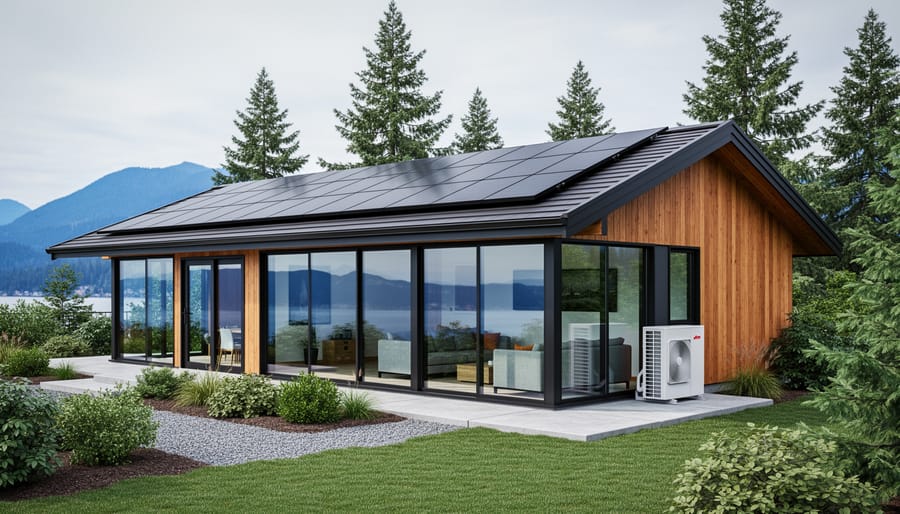
Understanding where your home fits in the bigger energy picture changes how you approach efficiency improvements. In the United States, energy consumption divides into four primary sectors: transportation (28%), industrial (26%), residential (22%), and commercial (18%). Your household sits within that 22% residential slice, which translates to roughly 20 million BTUs per year for the average American home. British Columbia households follow similar patterns but benefit from cleaner electricity sources, with 98% coming from hydroelectric generation compared to the US average of just 7% renewable electricity.
The residential sector breaks down further into heating and cooling (51%), water heating (18%), appliances and electronics (16%), and lighting (6%). This breakdown matters because it reveals where solar energy creates the greatest impact for BC homeowners. While your grid electricity already runs relatively clean, adding rooftop solar reduces dependence on imported energy during peak demand periods and locks in long-term savings against rising utility rates.
Most BC homeowners underestimate their annual consumption, assuming their clean grid means efficiency matters less. The reality: the average BC household still consumes 11,000 kWh annually, costing $1,320 at current rates. Understanding these consumption patterns before installing solar panels ensures proper system sizing and maximizes your return on investment. When you know which sectors drive your personal energy use, you can target improvements strategically rather than guessing where to start your efficiency journey.
Understanding Energy Consumption Across US Sectors: The Big Picture
The Residential Sector’s Share
The residential sector accounts for approximately 21% of total energy consumption in the United States, representing the third-largest share after transportation and industrial use. While this percentage might seem modest compared to other sectors, it translates to significant energy use across millions of households and presents one of the most accessible opportunities for individual action.
For British Columbia homeowners, understanding this sector matters because residential energy choices directly impact both household budgets and environmental footprints. Unlike industrial or commercial sectors where change requires large-scale coordination, residential improvements can begin immediately with individual decisions. Each home that reduces energy consumption or switches to renewable sources contributes measurably to broader sustainability goals.
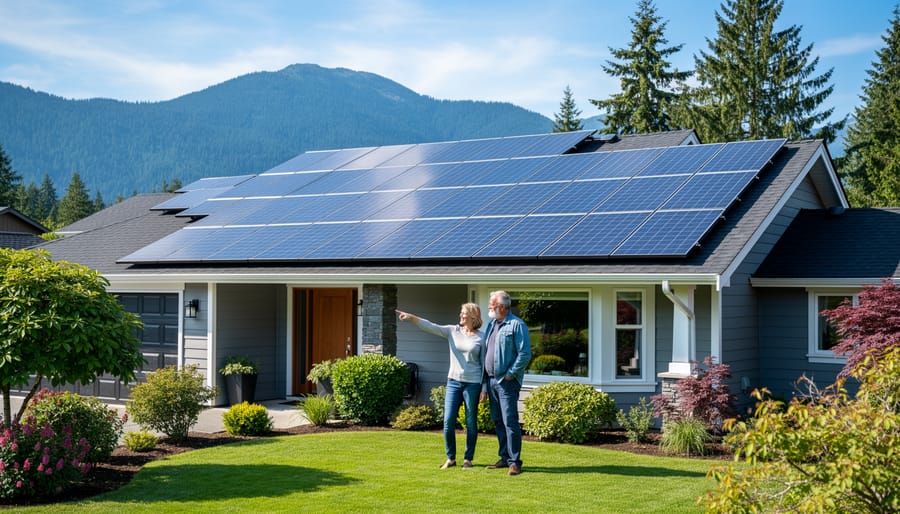
This sector’s importance extends beyond numbers. Residential energy use patterns are highly visible and influence community behavior. When neighbors see solar panels on nearby rooftops or hear about reduced energy bills, it creates momentum for wider adoption. In BC communities like Victoria and Kelowna, early solar adopters have inspired entire neighborhoods to explore renewable options, demonstrating how residential sector changes can multiply through local networks and create lasting environmental benefits while reducing long-term energy costs.
How BC Compares to the US Average
British Columbia’s energy story looks remarkably different from the US average, and understanding these differences helps you make smarter decisions about your home energy use.
While the US residential sector relies heavily on natural gas (42%) and electricity from coal and natural gas sources, BC homes benefit from an energy mix dominated by clean hydroelectric power. Over 90% of BC’s electricity comes from renewable hydro resources, meaning when you use electricity in your BC home, you’re already making a cleaner choice than most American households.
This fundamental difference affects how BC residents should think about energy efficiency. In the US, the residential sector accounts for roughly 21% of total energy consumption, with heating and cooling as major concerns. BC’s milder coastal climate and colder interior regions create different patterns. Coastal residents typically use less energy for air conditioning compared to the US average, while interior BC homes face heating demands similar to northern US states.
Here’s what this means for you: Because BC’s electricity is already clean, switching from natural gas heating to electric heat pumps becomes an even more impactful climate action. And adding solar panels to your home doesn’t just reduce your electricity bills—it contributes additional renewable energy to an already green grid, creating a multiplier effect for environmental benefit.
BC families also tend to have slightly lower per-household energy consumption than the US average, partly due to newer building codes and a culture of conservation. This positions BC homeowners perfectly to achieve near-zero energy homes through solar adoption combined with basic efficiency improvements.
Where Your BC Home’s Energy Actually Goes
Space Heating: The Biggest Energy Drain
Space heating accounts for the largest portion of average BC home energy use, typically consuming 50-65% of total household energy during winter months. BC’s climate varies significantly by region, creating different heating demands across the province. Coastal communities like Vancouver and Victoria experience milder winters, with heating seasons running roughly October through April. Interior regions, including the Okanagan and Kootenays, face colder temperatures and longer heating periods, sometimes extending from September to May.
This regional variation means a home in Prince George might use twice the heating energy of a comparable home in Victoria. Older homes with inadequate insulation face even higher heating costs. The good news is that improving insulation, upgrading to efficient heat pumps, and reducing heating loads through weatherization create immediate savings. When combined with solar energy systems, these efficiency improvements can dramatically reduce your reliance on the grid. Understanding your heating patterns is the first step toward making informed decisions about both efficiency upgrades and renewable energy investments that make sense for your specific location and climate zone.
Water Heating and Appliances
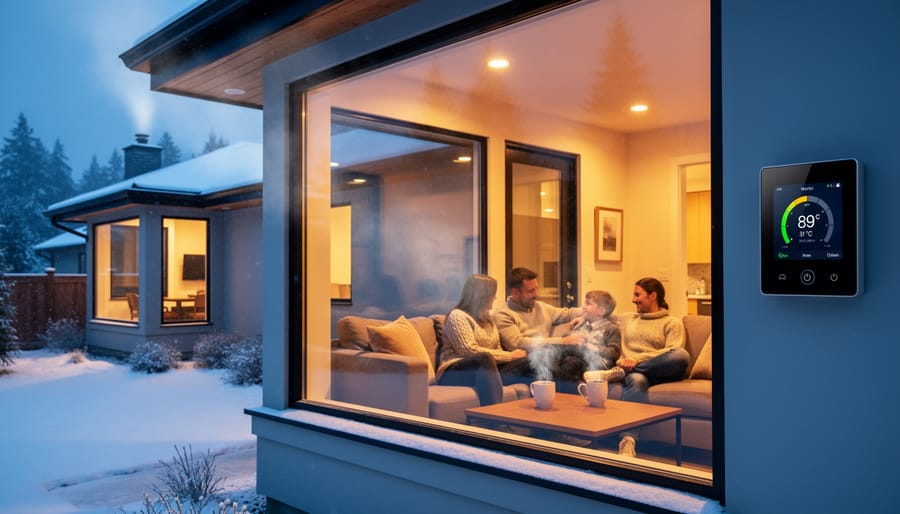
After heating and cooling, water heating ranks as the second-largest energy consumer in BC homes, typically accounting for 15-20% of household energy use. Traditional tank-style water heaters work around the clock to keep water hot, consuming significant electricity even when you’re not using hot water.
The good news? This represents a major opportunity for savings. Heat pump water heaters use up to 60% less energy than conventional electric models by transferring heat rather than generating it. Many BC households have reduced their water heating costs by $200-300 annually after making this switch. One Vancouver family recently shared that upgrading to a heat pump water heater paired with their solar installation cut their overall electricity bills by nearly half.
Your major appliances—refrigerators, washers, dryers, and dishwashers—add another 10-15% to home energy consumption. When shopping for replacements, look for ENERGY STAR certified models, which use 10-50% less energy than standard versions. These efficiency improvements not only reduce your carbon footprint but also decrease the electricity demand that solar panels need to offset, making renewable energy systems more affordable and effective for BC homeowners.
Lighting, Cooling, and Electronics
Modern homes in British Columbia are using more electricity than ever before. As remote work becomes standard, our laptops, monitors, and home office equipment run throughout the day. Entertainment systems, smart home devices, and multiple screens per household add to baseline consumption. Meanwhile, BC’s warming summers are driving increased air conditioning adoption—a trend accelerating as heat waves become more frequent.
Lighting accounts for approximately 10-15% of residential energy use, though this varies widely depending on whether homes use energy-efficient LEDs or older incandescent bulbs. The shift to LED technology has reduced lighting costs significantly, but gains are often offset by more devices and longer usage hours.
Cooling needs present a growing challenge. While BC traditionally required minimal air conditioning, recent summers have changed that reality. Many homeowners now run portable or central AC units during heat events, creating seasonal demand spikes.
The combination of electronics and cooling represents an opportunity for solar energy. Peak solar generation aligns perfectly with daytime device use and afternoon cooling needs. A professional energy audit can identify which devices consume the most power and help you right-size a solar system to offset these growing demands while maintaining comfort year-round.
The Hidden Costs of Traditional Energy Sources in BC
Most British Columbians understand BC Hydro’s two-tiered pricing structure, but many don’t realize how significantly it affects their annual energy costs. Currently, the first tier covers approximately 1,350 kWh per billing period (roughly two months) at a lower rate, while consumption above this threshold jumps to a higher rate. For an average household using 10,000 to 12,000 kWh annually, a substantial portion falls into that higher-cost tier.
This tiered system particularly impacts families during BC’s colder months. From November through March, heating demands push many households well beyond the first tier threshold. A typical home in the Lower Mainland might use 800 kWh monthly in summer but climb to 1,400 kWh or more during winter. This seasonal variation means your electricity bills aren’t just higher in winter due to increased usage—you’re also paying a premium rate on a larger portion of that consumption.
The Coquitlam family featured in our case studies discovered they were spending an extra $300 annually just from tier-two charges during winter months. When they calculated their total electricity costs over a 25-year period—accounting for BC Hydro’s projected rate increases of approximately 2-3% annually—the numbers were eye-opening. What seems like manageable monthly bills compounds into tens of thousands of dollars over time.
BC Hydro rate increases have been relatively modest compared to other provinces, but they’re consistent. Since 2010, rates have increased approximately 30% overall. Looking ahead, infrastructure investments and the transition to cleaner energy sources mean rates will likely continue rising, making fixed-cost alternatives increasingly attractive.
This is where solar presents a compelling opportunity. By generating your own electricity during peak consumption periods, you can significantly reduce or eliminate tier-two charges. Solar panels produce the most energy during daylight hours, perfectly offsetting daytime consumption from appliances, home offices, and electronics. The energy you don’t use immediately feeds back into the grid through BC Hydro’s net metering program, creating credits that offset evening and nighttime usage.
Understanding your current energy costs and future projections is essential when evaluating the solar payback period. The higher your current tier-two consumption, the faster solar installations typically pay for themselves through avoided electricity costs.
Real BC Homes Making the Switch: Local Success Stories
When the Thompson family in Kelowna looked at their annual electricity bills totaling $2,400, they knew something had to change. Like many BC households, their energy consumption placed them squarely in the residential sector that accounts for roughly 17% of the province’s total energy use. After installing a 6.5 kW solar panel system in spring 2022, their story illustrates the real impact homeowners can achieve.
Before solar, the Thompsons consumed approximately 12,000 kWh annually, with peak usage during winter months when heating demands increased. Their energy profile showed typical patterns: heating and hot water dominated their consumption, accounting for nearly 60% of their total use. After their solar installation, their first full year showed remarkable results. The system generated 7,800 kWh, reducing their grid dependency by 65%. Their annual electricity costs dropped to just $840, saving them $1,560 yearly. The system paid for itself in projected savings within seven years, and they now enjoy watching their meter run backward on sunny days.
Over in Victoria, retired couple Janet and Robert Chen tackled their energy consumption differently. Their 1,200 square-foot home was small but inefficient, consuming 9,600 kWh annually at a cost of $1,920. Before investing in solar, they first improved their home’s efficiency with better insulation and an energy-efficient heat pump. These upgrades alone reduced their consumption to 7,200 kWh. They then added a modest 4 kW solar array in fall 2023. The combination proved powerful. Their solar panels now generate approximately 4,800 kWh yearly, covering two-thirds of their reduced energy needs. Current annual costs sit at around $480, representing a 75% reduction from their starting point. The Chens emphasize that understanding their consumption patterns first helped them right-size their solar investment.
Meanwhile, the Patel family in Surrey focused on their home office setup. With both parents working remotely since 2020, their daytime energy consumption increased significantly, pushing annual usage to 14,400 kWh and costs to nearly $2,900. Their 7 kW solar installation in 2023 aligned perfectly with their new usage pattern, as panels produce maximum output during work hours when they need power most. First-year results showed 8,400 kWh generated, cutting their grid consumption by 58% and reducing costs to $1,218 annually.
These local examples demonstrate that BC homeowners across different situations and regions can meaningfully reduce both their energy consumption and costs while contributing to provincial sustainability goals.

How Solar Fits Into Your Home’s Energy Profile
What Solar Can (and Can’t) Power in Your Home
Solar panels can realistically cover essential baseload needs in BC homes—think refrigeration, lighting, electronics, and standard appliances. A typical residential solar system of 5-7 kW handles these everyday demands effectively, even with solar performance in BC weather considerations.
Where solar truly shines is offsetting daytime consumption: running dishwashers and laundry during peak production hours, powering home offices, and charging devices. Many BC homeowners cover 70-90% of their annual electricity needs this way.
The limitations? High-draw appliances like electric heating, hot water tanks, and vehicle charging during winter evenings require grid support or battery storage. Air conditioning (less common in BC) creates summer peaks that may exceed panel capacity.
The practical approach: Solar handles your consistent, predictable consumption beautifully. For those energy-intensive moments—heating your home on a January evening or running multiple major appliances simultaneously—the grid acts as your backup. Battery systems are expanding what’s possible, letting you store daytime generation for evening use, but they represent additional investment beyond panels themselves.
Pairing Solar with Energy Storage
Solar panels generate the most electricity during midday hours when the sun is strongest, but BC households typically use the most power in the evenings when families are home cooking dinner, doing laundry, and running appliances. This timing mismatch is where battery storage systems become valuable, capturing excess solar energy produced during the day and making it available when you need it most.
For BC homeowners, pairing solar with batteries means you can use your own clean energy during peak evening hours rather than drawing from the grid. This is particularly beneficial during power outages, which are becoming more common in some BC regions due to winter storms. Your stored solar energy keeps essential appliances running when neighbors might be without power.
A Kelowna family recently shared how their battery system allowed them to completely avoid evening grid consumption, reducing their monthly electricity bills by 65 percent. The batteries also provided peace of mind during last winter’s outages, keeping their home powered for three days.
While adding battery storage increases your initial investment, BC’s net metering programs and the long-term savings on electricity bills make it increasingly worthwhile for households serious about energy independence and resilience.
Calculate Your Home’s Solar Potential
Now that you understand where residential energy fits into BC’s consumption patterns, it’s time to evaluate your own home’s solar potential and take concrete steps toward energy independence.
Start by conducting a simple energy audit of your home. Gather your BC Hydro bills from the past year to identify your average monthly and annual electricity consumption. Look for seasonal patterns—most BC homes show higher usage during winter months when heating demands increase. This baseline data helps you understand your current energy footprint and identify opportunities for reduction before sizing a solar system.
Next, walk through your home and note major energy consumers. Electric water heaters, heating systems, older appliances, and poor insulation are common culprits of high consumption. Even small changes like switching to LED lighting, upgrading to Energy Star appliances, or improving insulation can reduce your energy needs by 15-30%, making your future solar investment more cost-effective.
To determine your home’s solar potential, consider three key factors: roof orientation, available space, and shading. South-facing roofs with minimal shade provide optimal conditions, but east and west-facing installations can also perform well in BC’s climate. Measure your available roof space—most residential solar panels require about 15-20 square feet each.
Ready for a personalized assessment? Our interactive solar calculator takes the guesswork out of sizing your system. Simply enter your annual energy consumption, roof details, and location to receive an instant estimate of your potential solar production, system size requirements, and projected savings over time. The calculator uses real BC solar radiation data and current electricity rates to provide accurate, location-specific results.
The McLeod family in Victoria used this approach, discovering they could offset 85% of their annual consumption with a 6kW system. By first reducing their energy waste and then installing solar panels, they’ve virtually eliminated their electricity bills while contributing clean energy back to the grid.
Understanding how energy is consumed across different sectors—and where your home fits within BC’s energy landscape—is the first step toward making meaningful changes that benefit both your household and the environment. When you recognize that residential energy use represents a significant portion of provincial consumption, the opportunity to reduce your carbon footprint while lowering monthly costs becomes clear and achievable.
BC homeowners are uniquely positioned to take advantage of abundant solar potential and supportive provincial policies. By transitioning to solar energy, you’re not just installing panels on your roof—you’re joining a growing community of neighbors who are reducing greenhouse gas emissions, protecting themselves against rising electricity rates, and increasing their property values. Local success stories across the province demonstrate that solar adoption is both practical and financially rewarding, with many households seeing returns on their investment within years.
The path forward doesn’t need to be complicated. Start by assessing your current energy consumption patterns and comparing them to typical BC residential usage. Calculate your potential solar savings using available online tools that account for your specific location, roof characteristics, and energy needs. Connect with experienced local solar providers who understand BC’s climate, regulations, and available incentives.
Every home that switches to solar contributes to a cleaner energy future for British Columbia. Whether your primary motivation is environmental stewardship, economic savings, or energy independence, the time to explore solar solutions is now. Take that first step today—your future self and our shared environment will thank you.